 中文
中文 English
Stepping Up to Replace: How the Domestic VBR9N602K MOSFET Provides a High-Performance Alternative to the MICROCHIP VN0106N3-G-P003
Number of views:9999
 Back to previous page
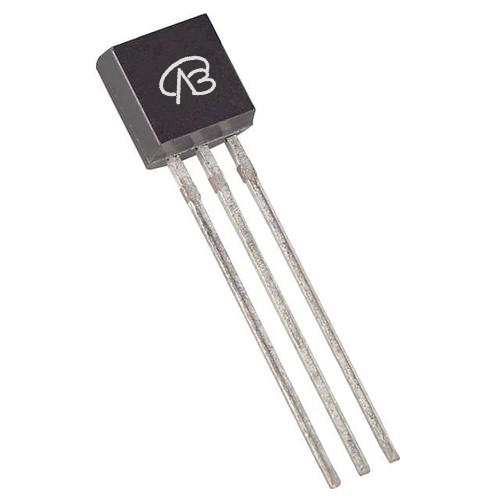
Low-voltage MOSFETs serve as fundamental switches in countless electronic circuits, managing power distribution and signal control. International manufacturers like MICROCHIP have established strong presences with reliable offerings such as the VN0106N3-G-P003. In today's climate of supply chain volatility and the push for technological independence, identifying robust, high-performance domestic alternatives has become a critical strategic move. Represented by VBsemi's VBR9N602K, domestic components are now capable of providing direct pin-to-pin replacements with enhanced performance.
Part 1: Analysis of the Classic Component
MICROCHIP's VN0106N3-G-P003 is an N-Channel MOSFET rated for 60V drain-source voltage (Vdss) with a conduction resistance (RDS(on)) of 3Ω at 10V gate drive. Housed in the compact and widely used TO-92 package, it is designed for low-power switching applications, signal isolation, and load driving in various consumer and industrial electronics, valued for its reliability in its operational class.
Part 2: Performance Enhancement by the Domestic Challenger
VBsemi's VBR9N602K directly targets and improves upon the key parameters of the VN0106N3-G-P003:
Superior Conduction Efficiency: It features a significantly lower typical on-resistance of 2000 mΩ (2Ω) at 10V gate drive compared to the 3Ω of the original part. This reduction directly translates to lower conduction losses and improved system efficiency.
Full Electrical & Mechanical Compatibility: It maintains the same 60V drain-source voltage (VDS) and utilizes the standard TO-92 package (Single-N configuration), ensuring a true drop-in replacement without any circuit board modifications.
Advanced Core Technology: The device is built on an optimized Trench technology platform, which is known for achieving a better balance between low on-resistance and gate charge, contributing to its enhanced switching performance.
Part 3: Core Value Beyond Specifications
Selecting this domestic alternative delivers strategic advantages that extend past the datasheet:
Strengthened Supply Chain Resilience: Mitigates risks associated with single-source international components, ensuring greater control over production schedules and material availability.
Cost Structure Optimization: Offers competitive pricing while providing better performance, which can lead to improved product value or allow for design margin refinements.
Access to Responsive Local Support: Enables faster communication, quicker sample procurement, and application-specific technical collaboration with the domestic supplier.
Contributing to Industrial Ecosystem Growth: Successful adoption supports the development and maturation of the domestic semiconductor industry, fostering a cycle of innovation and improvement.
Part 4: A Robust Path for Substitution Implementation
For a seamless and reliable transition, the following steps are recommended:
Comprehensive Parameter Review: Conduct a detailed comparison of all electrical specifications, including threshold voltage (Vth), gate charge, and safe operating area.
Thorough Bench Testing: Perform validation tests focusing on static parameters (RDS(on), Vth), dynamic switching behavior, and thermal performance under real-world operating conditions.
Pilot Implementation: Integrate the component into actual products for small-batch field testing to validate long-term reliability and performance stability.
Develop a Phased Switchover Plan: After successful verification, plan a gradual production roll-out while maintaining the original component as a short-term backup option.
Conclusion: From "Adequate" to "Advantageous"
The progression from the MICROCHIP VN0106N3-G-P003 to the VBsemi VBR9N602K illustrates that domestic power semiconductors have reached a level where they can not only match but also outperform established international counterparts in specific, critical parameters. Adopting such enhanced domestic components is a practical step to mitigate supply chain risks and a strategic investment in building a more autonomous, efficient, and innovative technological foundation for the future. The time is right to actively evaluate and integrate these high-quality domestic solutions.

Download PDF document
 Download now


