 中文
中文 English
Breaking MCU28P10Y-TP Through and Surpassing: How Domestic P-Channel MOSFETs Achieve High-Performance Substitution
Number of views:9999
 Back to previous page
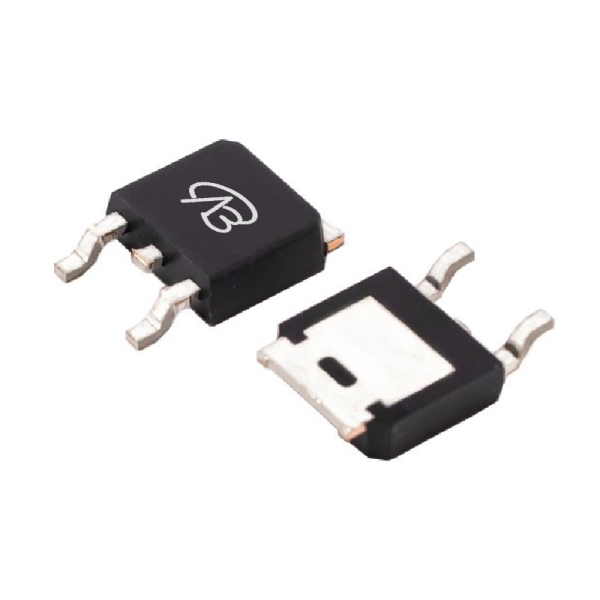
Power MOSFETs serve as the fundamental switches in modern circuit design, with P-Channel types being particularly crucial for high-side switching and power management applications. For a considerable time, international brands like MCC (Micro Commercial Co.) have set industry benchmarks with established products such as the MCU28P10Y-TP. However, amidst global supply chain uncertainties and the drive for technological self-reliance, sourcing reliable, high-performance domestic alternatives has become a strategic imperative. Represented by VBsemi's VBE2104N, domestic components are now achieving direct competition and outperforming international classics.
Part 1: Analysis of the Classic Component
MCC's MCU28P10Y-TP is a robust P-Channel MOSFET rated for -100V and -28A continuous drain current. With a typical on-resistance of 58mΩ at Vgs=10V, it offers a balanced solution for applications requiring efficient power switching and control. This device is widely adopted in areas such as power management systems, DC-DC converters, motor drives, and battery protection circuits due to its reliable performance, establishing itself as a common choice for designers.
Part 2: Performance Surpassing by the Domestic Challenger
VBsemi's VBE2104N directly competes with the MCU28P10Y-TP and demonstrates significant enhancements in key specifications:
Superior Current Handling and Lower Loss: The continuous drain current is rated at -40A (an increase of 12A), and the on-resistance is significantly reduced to 33mΩ at Vgs=10V (a 43% improvement). This combination allows for higher power throughput and substantially lower conduction losses, leading to improved system efficiency and reduced thermal stress.
Maintained Voltage Rating and Robust Gate: The drain-source voltage remains at -100V, ensuring compatibility. The gate-source voltage rating of ±20V provides a robust interface for drive circuits.
Seamless Design Integration: It comes in the industry-standard TO-252 (DPAK) package, offering a pin-compatible, drop-in replacement that requires no PCB layout modifications.
Part 3: Core Value Beyond Specifications
Opting for this domestic alternative delivers profound strategic advantages:
Ensuring Supply Chain Security: It mitigates risks associated with single-source international supply chains, enhancing component availability and production stability.
Optimizing System Cost and Performance: The superior electrical characteristics (lower RDS(on), higher Id) can lead to a more optimized system design, potentially simplifying thermal management and improving overall cost-effectiveness.
Accessing Agile Local Support: Domestic suppliers can provide faster, more responsive technical support and collaborate closely on application-specific challenges.
Strengthening the Industrial Ecosystem: Successful adoption contributes to the growth and technological maturation of the domestic semiconductor industry, fostering a virtuous cycle of innovation and improvement.
Part 4: A Robust Path for Substitution Implementation
To ensure a smooth and reliable transition, the following steps are recommended:
1. Detailed Specification Comparison: Conduct a thorough review of all electrical parameters, including threshold voltage (Vth), capacitance, and safe operating area (SOA).
2. Rigorous Laboratory Testing: Perform comprehensive bench tests, including static parameter verification, dynamic switching characterization, efficiency measurements, and thermal performance analysis under load.
3. Small-Batch Pilot Verification: Implement the VBE2104N in actual end-products or prototypes for field testing, monitoring long-term reliability and performance in the target application.
4. Develop a Switchover and Backup Plan: After successful verification, plan a phased production roll-out while maintaining the original component as a short-term backup option.
Conclusion: Moving from "Usable" to "Excellent"
The progression from the MCU28P10Y-TP to the VBE2104N exemplifies that domestic power semiconductors have reached a level where they can not only match but exceed the performance of established international counterparts in key metrics. Adopting such high-performance domestic components is both a practical response to current supply chain dynamics and a strategic investment in building a more autonomous, resilient, and innovative technological foundation for the future. Now is the opportune moment to actively evaluate and integrate these superior domestic solutions.

Download PDF document
 Download now


