 中文
中文 English
Breaking Through and Surpassing: How Domestic Small‑Signal MOSFETs Achieve High‑Performance Substitution for 2N7002PS ZL115
Number of views:9999
 Back to previous page
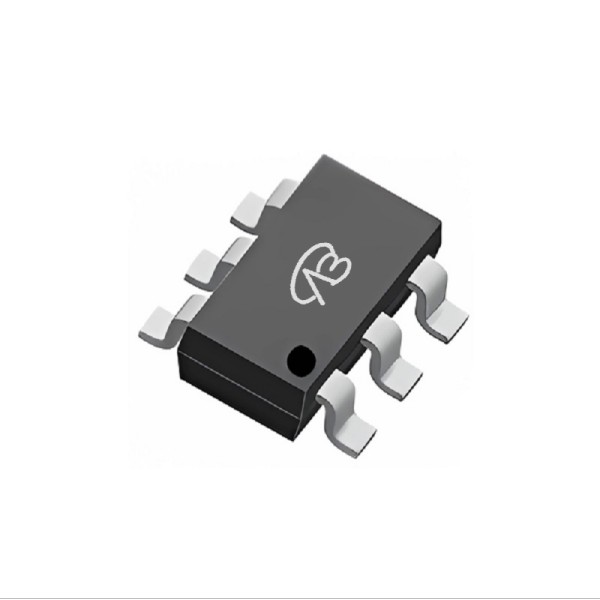
Small‑signal MOSFETs serve as fundamental building blocks for power management and signal switching in portable electronics, IoT devices, and precision circuits. For years, international brands such as NXP have set the benchmark with proven solutions like the 2N7002PS ZL115. However, growing supply‑chain uncertainties and the push for technological self‑reliance have made finding dependable, high‑performance domestic alternatives a strategic priority. Represented by VBsemi’s VBK362KS, domestic components are now capable of direct‑matching and even exceeding international classics in key aspects.
Part 1: Analysis of the Classic Component
NXP’s 2N7002PS ZL115 is a widely adopted small‑signal MOSFET rated at 60 V drain‑source voltage and 320 mA continuous drain current. With an on‑resistance of 1.6 Ω (at 10 V, 500 mA) and a power dissipation of 420 mW, it offers a balanced performance for low‑power switching, load driving, and protection circuits. Its SC‑70‑6 package and industry‑standard pinout have made it a default choice in space‑constrained designs such as battery‑powered devices, sensor interfaces, and consumer electronics.
Part 2: Performance Surpassing by the Domestic Challenger
VBsemi’s VBK362KS directly targets the 2N7002PS ZL115 and introduces meaningful enhancements:
- Dual‑Channel Integration: The VBK362KS integrates two independent N‑channel MOSFETs in one SC70‑6 package, providing higher functional density and saving PCB space compared to the single‑channel 2N7002PS.
- Improved Current Handling: Continuous drain current is rated at 0.35 A (vs. 0.32 A), allowing for slightly higher load capability.
- Robust Gate Handling: Gate‑source voltage rating of ±20 V ensures better resilience against voltage spikes.
- Low Threshold Voltage: A typical Vth of 1.7 V enables efficient operation in low‑voltage digital circuits.
- Full Pin‑to‑Pin Compatibility: The SC70‑6 package matches the footprint and pinout of the 2N7002PS, enabling drop‑in replacement without layout changes.
- Advanced Trench Technology: The use of trench MOSFET architecture delivers stable switching performance and reliable operation in compact applications.
Part 3: Core Value Beyond Specifications
Selecting a domestic alternative like the VBK362KS brings deeper strategic benefits:
- Supply‑Chain Resilience: Reduces dependency on a single international supplier, mitigating risks of shortages and ensuring production continuity.
- Cost‑Effectiveness: Often provides better price/performance ratio, potentially lowering total system cost and enabling more competitive end‑products.
- Localized Support: Domestic suppliers can offer faster technical response, custom validation support, and collaborative optimization based on real application needs.
- Strengthening the Homegrown Ecosystem: Each successful design‑in accelerates the learning curve and technological iteration of the domestic semiconductor industry, fostering a virtuous cycle of innovation and quality improvement.
Part 4: A Robust Path for Substitution Implementation
To ensure a smooth transition, the following steps are recommended:
- Detailed Parameter Review: Compare all key electrical specs, including VDS, ID, RDS(on), VGS, and switching characteristics.
- Laboratory Verification: Perform static parameter tests, dynamic switching tests, thermal performance checks, and reliability stress tests under typical operating conditions.
- Pilot Batch Validation: Test the component in actual products and environments, monitoring long‑term stability and compatibility.
- Phased Replacement Plan: After successful verification, implement the substitution in stages while keeping the original design as a short‑term backup option.
Conclusion: Moving from “Compatible” to “Competitive”
The progression from the 2N7002PS ZL115 to the VBK362KS illustrates that domestic small‑signal MOSFETs have reached a level where they can not only match but also offer added value over established international counterparts. Adopting such high‑performance domestic components is both a practical response to current supply‑chain pressures and a strategic step toward building a more autonomous, resilient, and innovative electronics industry. Now is the right time to actively evaluate and integrate high‑quality domestic solutions like the VBK362KS.

Download PDF document
 Download now


