 中文
中文 English
Breaking Through and Surpassing MCP75N10Y-BP: How Domestic Power MOSFETs Achieve High-Performance Substitution
Number of views:9999
 Back to previous page
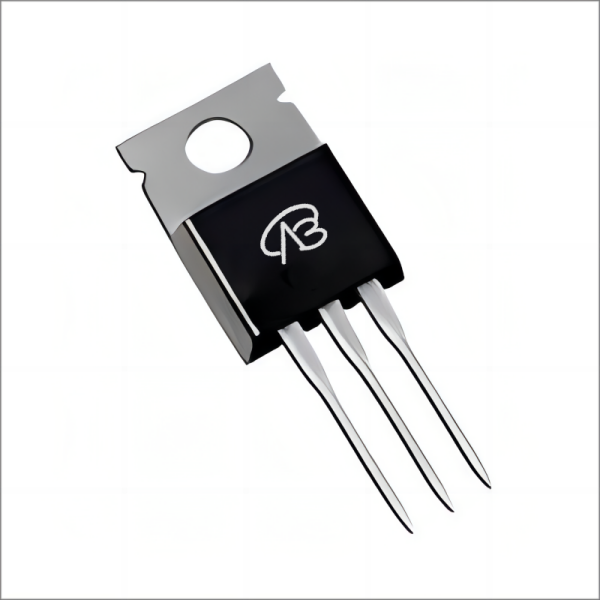
Power MOSFETs serve as the critical "switches" controlling energy flow in modern electronic devices. For a long time, international brands like MCC (Micro Commercial Co) have held significant market share with their reliable products, such as the MCP75N10Y-BP. However, global supply chain fluctuations and the pursuit of technological self-reliance have made finding reliable, high-performance domestic alternatives a strategic imperative. Represented by VBsemi's VBM1105, domestic components are now achieving direct competition and even surpassing international counterparts.
Part 1: Analysis of the Classic Component
MCC's MCP75N10Y-BP is an N-channel power MOSFET (100V, 75A) featuring a low on-resistance of 8.6mΩ @10V. This device is designed for applications requiring high current handling and efficient switching, commonly used in power management, motor drives, DC-DC converters, and other high-power circuits. Its balance of voltage rating, current capability, and low conduction loss has made it a preferred choice in many demanding designs.
Part 2: Performance Surpassing by the Domestic Challenger
VBsemi's VBM1105 directly competes with the MCP75N10Y-BP and demonstrates notable advantages in key specifications:
Higher Current Capacity: Continuous drain current reaches 120A, a significant 45A increase over the MCP75N10Y-BP's 75A, enabling greater power throughput and design headroom.
Lower Conduction Loss: Typical on-resistance (RDS(on)) is reduced to 5mΩ @10V compared to 8.6mΩ, substantially minimizing power loss and heat generation, thereby improving overall system efficiency.
Robust Voltage Ratings: Maintains a drain-source voltage (VDS) of 100V with a gate-source voltage (VGS) rating of ±20V, ensuring compatibility and robustness in similar application environments.
Advanced Technology: Utilizes Trench technology, which is known for achieving lower specific on-resistance, contributing to its superior switching and conduction performance.
Package Compatibility: Offered in a TO-220 package, it facilitates direct pin-to-pin replacement without requiring PCB layout changes.
Part 3: Core Value Beyond Specifications
Selecting a domestic alternative like the VBM1105 delivers deeper strategic benefits:
Ensuring Supply Chain Security: Reduces dependency on single-source or international supply chains, mitigating risks and ensuring production stability.
Optimizing Total Cost: Often provides better cost-effectiveness with equal or superior performance, potentially allowing for savings in thermal management or other peripheral components.
Accessing Responsive Local Support: Domestic suppliers can offer faster technical support, customized solutions, and collaborative development tailored to specific application needs.
Strengthening the Industrial Ecosystem: Each successful adoption contributes to the domestic semiconductor industry's technical积累, process maturation, and fosters a virtuous cycle of innovation and improvement.
Part 4: A Robust Path for Substitution Implementation
For a smooth and reliable transition, the following steps are recommended:
1. Detailed Specification Comparison: Meticulously review all key parameters, including absolute maximum ratings, electrical characteristics, and switching performance curves.
2. Rigorous Laboratory Testing: Conduct comprehensive tests including static parameter verification, dynamic switching analysis, thermal performance/efficiency evaluation, and reliability stress tests under simulated operating conditions.
3. Small-Batch Pilot Verification: Implement the component in actual product prototypes or field environments to monitor its performance and long-term reliability.
4. Develop a Switchover and Contingency Plan: After successful verification, plan a phased rollout. Maintain the original design as a short-term backup option during the initial transition phase.
Conclusion: Moving from "Usable" to "Excellent"
The progression from the MCP75N10Y-BP to the VBM1105 exemplifies that domestic power semiconductors now possess the capability not just to match but to excel beyond established international classics in key performance metrics. Adopting such high-performance domestic components is a pragmatic response to current supply chain dynamics and a strategic investment in building a more autonomous, resilient, and innovative industrial foundation for the future. Now is the opportune moment to actively evaluate and integrate these qualified domestic solutions.

Download PDF document
 Download now


