 中文
中文 English
Breaking TK4A60DB Through and Surpassing: How Domestic Power MOSFETs Achieve High-Performance Substitution
Number of views:9999
 Back to previous page
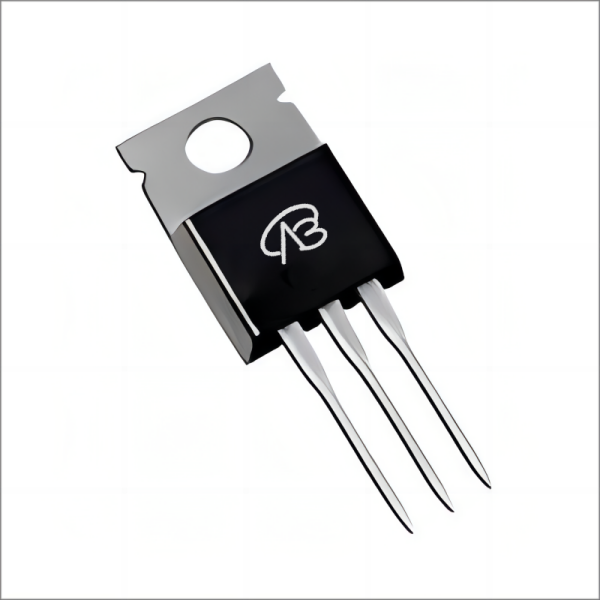
Power MOSFETs serve as the critical "switches" governing energy flow in modern electronics. For years, international giants like Toshiba have set benchmarks with established products such as the TK4A60DB series. In the face of global supply chain uncertainties and the pursuit of technological self-reliance, securing reliable, high-performance domestic alternatives has become a strategic imperative. Represented by VBsemi's VBM16R04, domestic components are now achieving direct对标and outperforming international classics.
Part 1: Analysis of the Classic Component
Toshiba's TK4A60DB (including S4PHI, X, S variants) is a high-voltage MOSFET rated for 600V and 3.7A continuous drain current. It features a low typical on-resistance of 1.6Ω @ 10V and a power dissipation capability of 35W. Known for its low RDS(ON) and high forward transconductance, this device has been a prevalent choice in various medium-power applications including switching power supplies, lighting drivers, and motor controls.
Part 2: Performance Surpassing by the Domestic Challenger
VBsemi's VBM16R04 directly对标s the TK4A60DB series and demonstrates enhancements in key performance metrics:
Superior Current Handling: Offers a higher continuous drain current of 4A, providing increased load capacity and design headroom compared to the 3.7A of the classic part.
Lower Conduction Loss: Features a typical on-resistance (RDS(ON)) of 1300 mΩ @ 10V, significantly lower than the 1.6Ω of the TK4A60DB. This reduction directly translates to lower power dissipation and higher system efficiency.
Robust Voltage Ratings: Maintains a drain-source voltage (VDS) of 600V with a gate-source voltage (VGS) rating of ±30V, ensuring compatibility and ruggedness in high-voltage switching environments.
Seamless Compatibility: Utilizes the industry-standard TO-220 package, enabling a pin-to-pin replacement without requiring PCB layout modifications. The device is built on a mature and reliable planar technology platform.
Part 3: Core Value Beyond Specifications
Opting for this domestic alternative delivers profound strategic advantages:
Enhanced Supply Chain Resilience: Mitigates risks associated with single-source international supply chains, ensuring greater stability and continuity of production.
Optimal Cost-Performance Ratio: Delivers superior electrical characteristics often at a more competitive cost, allowing for potential system-level cost optimization and improved thermal design margins.
Access to Agile Local Support: Domestic suppliers like VBsemi can provide faster, more responsive technical support and collaborative development efforts tailored to specific regional application needs.
Strengthening the Industrial Ecosystem: Successful adoption contributes to the technical accumulation and iterative advancement of the domestic semiconductor industry, fostering a virtuous cycle of innovation and growth.
Part 4: A Robust Path for Substitution Implementation
To ensure a smooth and successful transition, the following steps are recommended:
Comprehensive Specification Review: Meticulously compare all key parameters, including VDS, ID, RDS(ON), Vth, and thermal characteristics.
Rigorous Laboratory Validation: Perform thorough testing encompassing static parameter verification, dynamic switching characterization, efficiency/thermal measurements, and reliability stress tests.
Pilot Batch Implementation: Introduce the VBM16R04 into actual products for field testing under real operating conditions, monitoring its long-term performance and stability.
Develop a Phased Switchover Plan: Execute the substitution in controlled phases post-verification, while maintaining the original component as a short-term backup option to ensure operational continuity.
Conclusion: Moving from "Usable" to "Excellent"
The progression from the Toshiba TK4A60DB to the VBsemi VBM16R04 exemplifies that domestic power semiconductors have matured to a level where they can not only match but also surpass established international counterparts in critical aspects. Embracing such high-performance domestic components is a pragmatic solution to current supply chain challenges and a strategic investment in building a more autonomous, resilient, and innovative industrial foundation for the future. The time is ripe to actively evaluate and integrate these qualified domestic solutions.

Download PDF document
 Download now


