 中文
中文 English
Breaking Through SI3401A-TP and Surpassing: How Domestic MOSFETs Achieve High-Performance Substitution
Number of views:9999
 Back to previous page
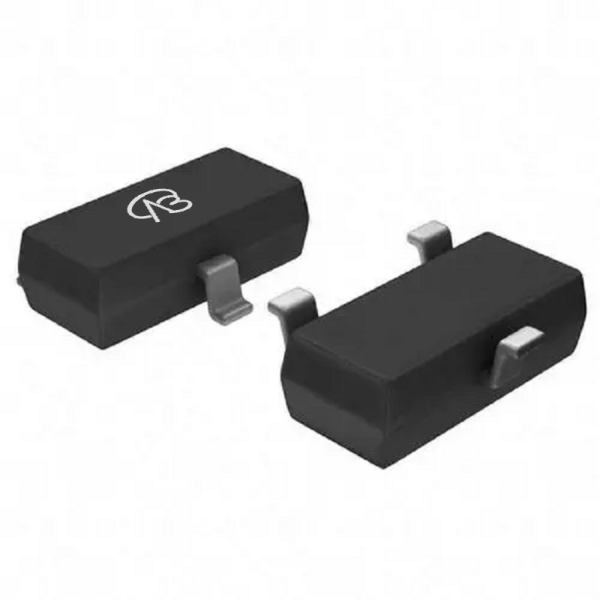
Power MOSFETs serve as fundamental switches in managing power within compact electronic designs. For numerous applications, international components like Micro Commercial Components (MCC)'s SI3401A-TP have been a common choice. However, evolving supply dynamics and the pursuit of design optimization drive the need for reliable, enhanced domestic alternatives. Represented by VBsemi's VB2355, domestic MOSFETs are now achieving direct substitution and exceeding the benchmarks set by such established parts.
Part 1: Analysis of the Classic Component
MCC's SI3401A-TP is a -30V, -4.2A P-Channel MOSFET, notable for its low on-resistance (60mΩ @10V) in the compact SOT-23 package. Its high-density cell design offers a good balance of RDS(ON) and current capability. Features like RoHS compliance, UL 94 V-0 flame rating, and Moisture Sensitivity Level 1 make it a reliable, industry-accepted solution for space-constrained, low-voltage power management applications such as load switching, power distribution, and battery management.
Part 2: Performance Surpassing by the Domestic Challenger
VBsemi's VB2355 directly对标s the SI3401A-TP and delivers key parametric advancements:
Enhanced Current Handling: Continuous drain current rating is increased to -5.6A, providing greater margin and support for higher load currents.
Lower Conduction Loss: On-resistance is reduced to a typical 46mΩ @10V, minimizing power loss and improving overall efficiency during operation.
Full Form-Fit Compatibility: Utilizes the same SOT-23-3 package, enabling a true drop-in replacement without board layout changes.
The device employs an advanced Trench technology, optimizing performance for low-voltage applications.
Part 3: Core Value Beyond Specifications
Adopting this domestic alternative extends benefits beyond the datasheet:
Strengthened Supply Resilience: Mitigates risks associated with single-source or international supply chains, ensuring component availability.
Cost-Structure Optimization: Often provides a more favorable total cost solution with superior performance, allowing for potential system-level savings.
Agile Local Technical Support: Enables faster response for design-in queries, application troubleshooting, and collaborative development.
Contributing to Ecosystem Growth: Successful adoption fuels the domestic semiconductor industry's technical积累 and progress, building a robust supply chain for the future.
Part 4: A Robust Path for Substitution Implementation
To ensure a seamless transition, a methodical approach is recommended:
Comprehensive Parameter Review: Compare all electrical characteristics, including VGS(th), capacitance, and safe operating area.
Rigorous Bench Validation: Perform tests for static parameters, switching behavior, thermal performance under load, and long-term reliability assessment.
Pilot Implementation: Integrate the component into actual products for field testing, monitoring performance in real-world conditions.
Develop a Phased Rollout Plan: After successful verification, plan a gradual switchover while maintaining the original part number as an interim backup option.
Conclusion: Moving from "Usable" to "Excellent"
The progression from the SI3401A-TP to the VB2355 illustrates that domestic power semiconductors have reached a level where they can not only match but also surpass key aspects of established international counterparts. Embracing such high-performance domestic components is a practical step to mitigate supply chain vulnerabilities and a strategic investment in fostering an independent, innovative, and resilient electronics industry. The time is right to actively evaluate and integrate these capable domestic solutions.

Download PDF document
 Download now


