 中文
中文 English
Breaking Through and Surpassing STB21N90K5: How Domestic Power MOSFET VBL19R20S Achieves High-Performance Substitution
Number of views:9999
 Back to previous page
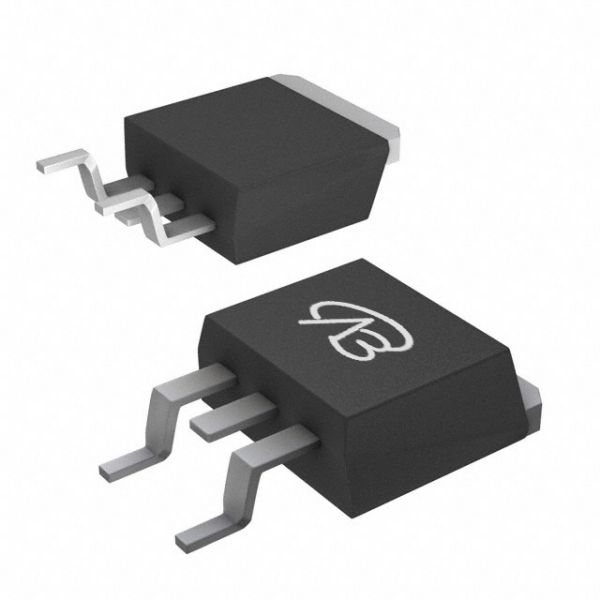
Power MOSFETs serve as the fundamental switching elements governing energy flow in power electronic systems. For years, international leaders like STMicroelectronics have set industry benchmarks with robust solutions such as the STB21N90K5. However, evolving global dynamics and the pursuit of technological self-reliance have accelerated the demand for high-performance domestic alternatives. Represented by VBsemi’s VBL19R20S, locally sourced components are now capable of directly competing with and outperforming established international counterparts.
Part 1: Analysis of the Classic Component
ST’s STB21N90K5 is an N-channel 900 V, 18.5 A power MOSFET built on the MDmesh™ K5 advanced technology. It features a low typical on-resistance of 0.25 Ω (measured at 10 V, 9 A), offering an effective balance between high voltage capability and conduction loss. Housed in a D2PAK package, this device is widely adopted in high-voltage switching applications such as industrial power supplies, motor drives, and lighting systems, earning a reputation for reliability and efficiency.
Part 2: Performance Surpassing by the Domestic Challenger
VBsemi’s VBL19R20S directly targets the STB21N90K5 and delivers notable enhancements in several key aspects:
Higher Current Handling: With a continuous drain current rating of 20 A (versus 18.5 A), it provides increased load capability and design margin.
Advanced Technology Platform: Utilizing SJ_Multi-EPI (Super Junction Multi-Epitaxial) technology, the device achieves excellent high-voltage performance with a drain-source voltage of 900 V.
Optimized Conduction & Drive: The on-resistance is specified at 270 mΩ (at 10 V), ensuring low conduction losses, while a standard VGS of ±30 V and a threshold voltage of 3.5 V offer compatibility with common drive circuits.
Full Form-Fit Compatibility: The TO-263 (D2PAK) package allows drop-in replacement without board layout changes, streamlining the substitution process.
Part 3: Core Value Beyond Specifications
Selecting a domestic alternative like the VBL19R20S extends benefits beyond electrical parameters:
Supply Chain Resilience: Reduces exposure to global shortages or geopolitical trade constraints, ensuring production stability and component availability.
Cost-Effectiveness: Often provides a more favorable total cost of ownership without sacrificing performance, potentially allowing system-level cost optimization.
Localized Technical Support: Enables faster response, application-specific collaboration, and tailored assistance throughout the design and production cycle.
Strengthening the Domestic Ecosystem: Each successful adoption contributes to the maturation of the local semiconductor industry, fostering innovation and long-term technological independence.
Part 4: A Robust Path for Substitution Implementation
To ensure a seamless transition, the following steps are recommended:
Comprehensive Parameter Comparison: Review all electrical characteristics, switching curves, and thermal performance data.
Thorough Laboratory Validation: Perform static parameter verification, dynamic switching tests, thermal imaging, efficiency measurements, and reliability stress tests under real operating conditions.
Pilot Batch Implementation: Test the component in actual end-product environments to validate long-term stability and compatibility.
Phased Replacement Strategy: Gradually introduce the alternative after full verification while maintaining the original design as a temporary backup option.
Conclusion: From "Qualified" to "Competitive"
The progression from the STB21N90K5 to the VBL19R20S illustrates that domestic power semiconductors have reached a stage where they can match and exceed international benchmarks in key performance metrics. Adopting such high-performance local alternatives is not only a practical response to current supply chain pressures but also a strategic step toward building a self-reliant, innovative, and resilient industrial future. Now is the time to actively evaluate and integrate high-quality domestic solutions like the VBL19R20S.

Download PDF document
 Download now


