 中文
中文 English
Surpassing the Benchmark: How VBA5325 Enables High-Performance, Drop-In Replacement for Renesas UPA2791GR-E1-A-T
Number of views:9999
 Back to previous page
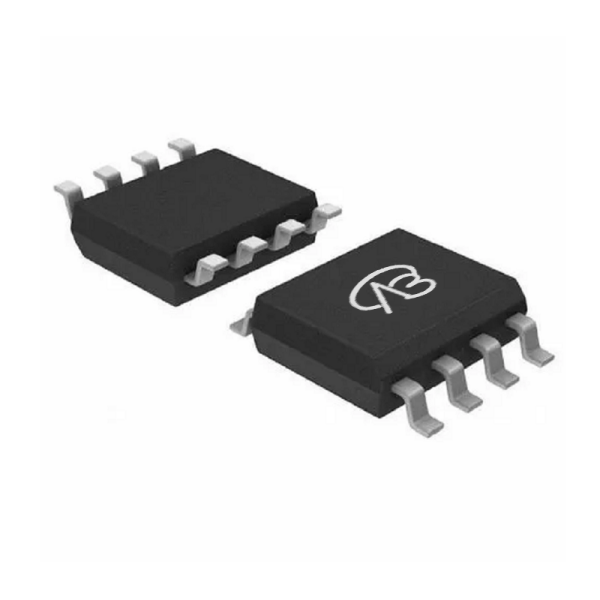
Dual N+P channel MOSFETs in a single package are vital components for efficient power management in space-constrained modern electronics, such as battery protection circuits, motor drives, and load switches. For designers, Renesas's UPA2791GR-E1-A-T has long been a reliable choice. However, evolving supply dynamics and the pursuit of design optimization are driving the search for superior alternatives. VBsemi's VBA5325 emerges as a domestic solution that not only matches but significantly exceeds the performance of this international benchmark, offering a compelling upgrade path.
Part 1: Analysis of the Classic Component
Renesas's UPA2791GR-E1-A-T is a well-established dual MOSFET (1N-Channel + 1P-Channel) housed in an SOP8 package. With a drain-source voltage (Vdss) of 30V and a continuous drain current (Id) of 5A per channel, it strikes a balance for many medium-current applications. Its typical on-resistance (RDS(on)) of 36mΩ @ 10V, 3A provides decent efficiency, making it a common selection in various power management designs.
Part 2: Performance Surpassing by the Domestic Challenger
VBsemi's VBA5325 directly对标s the UPA2791GR-E1-A-T and delivers notable enhancements across key specifications:
Superior Current Handling & Lower Losses: The VBA5325 boasts a significantly higher continuous drain current of ±8A, providing greater power capacity and design headroom. More crucially, it features a remarkably lower typical on-resistance of 18mΩ @ 10V (compared to 36mΩ), which drastically reduces conduction losses, improves overall system efficiency, and allows for cooler operation.
Robust Voltage Ratings: It supports a drain-source voltage (VDS) of ±30V and a gate-source voltage (VGS) of ±20V, ensuring robust performance and reliability in its operating range.
Advanced Technology & Seamless Replacement: Built on an advanced Trench technology platform, the VBA5325 achieves this high performance efficiently. It comes in the same SOP8 package with a dual N+P configuration, enabling a true drop-in replacement without any PCB layout modifications.
Part 3: Core Value Beyond Specifications
Adopting the VBA5325 offers strategic advantages that extend beyond its technical datasheet:
Enhanced Supply Chain Resilience: Diversifying from a single international source mitigates supply risk and ensures greater production stability.
System-Level Cost Optimization: Its superior performance (higher current, lower RDS(on)) can potentially simplify thermal design or allow for a more compact system architecture, leading to potential overall cost savings.
Access to Responsive Local Support: Proximity to the manufacturer enables faster technical support, quicker resolution of application issues, and opportunities for closer collaboration on design-in challenges.
Strengthening the Domestic Ecosystem: Choosing high-performance domestic components like the VBA5325 contributes to the growth and technological advancement of the local semiconductor industry.
Part 4: A Robust Path for Substitution Implementation
A smooth and reliable transition is straightforward:
1. Detailed Parameter Review: Conduct a thorough comparison of all electrical characteristics, including threshold voltage (Vth), capacitance, and safe operating area (SOA).
2. Comprehensive Bench Testing: Validate performance in the lab with static parameter verification, dynamic switching tests, and efficiency/thermal measurements under real-world operating conditions.
3. Pilot Batch Validation: Implement the VBA5325 in a small batch of end products for field testing, monitoring long-term reliability and performance consistency.
4. Phased Implementation Plan: After successful validation, plan a gradual production switchover while maintaining the original part as a short-term backup option.
Conclusion: From Direct Replacement to Design Enhancement
The transition from the Renesas UPA2791GR-E1-A-T to the VBsemi VBA5325 clearly demonstrates that domestic power semiconductor solutions have reached a level where they can not only serve as pin-to-pin substitutes but also deliver performance gains that enhance the end product. Switching to such a component is a strategic decision that addresses immediate supply chain concerns while simultaneously upgrading system performance and supporting a more autonomous, innovative technology foundation. The time for evaluation and adoption is now.

Download PDF document
 Download now


