 中文
中文 English
Breaking SI3439KDWA-TP Through and Surpassing: How Domestic Dual MOSFETs Achieve High-Performance Substitution
Number of views:9999
 Back to previous page
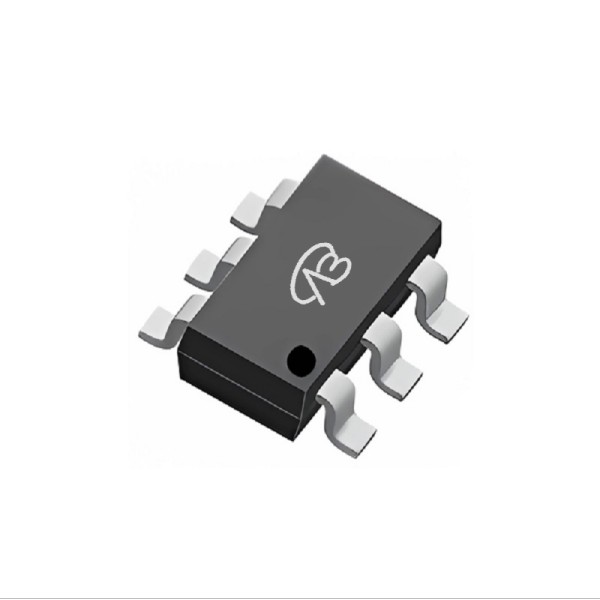
Dual N+P channel MOSFETs are key components for efficient power management and signal switching in space-constrained modern electronics. International brands like MCC (Micro Commercial Components) have established popular solutions such as the SI3439KDWA-TP. In the context of growing demand for supply chain diversification and technological independence, seeking reliable, high-performance domestic alternatives has become a critical strategy. Represented by VBsemi's VBK5213N, domestic components are now achieving direct对标and surpassing such international benchmarks.
Part 1: Analysis of the Classic Component
MCC's SI3439KDWA-TP is a dual MOSFET integrating one N-Channel and one P-Channel in a compact SC70-6 package. With a drain-source voltage (Vdss) of 20V and a continuous drain current (Id) of 750mA per channel, it offers a balanced solution for low-voltage applications. Its on-resistance (RDS(on)) is 700mΩ @ 1.8V gate drive. This device is commonly used in battery management, load switching, port protection, and other areas requiring complementary pair switching in portable and IoT devices.
Part 2: Performance Surpassing by the Domestic Challenger
VBsemi's VBK5213N directly对标s the SI3439KDWA-TP and demonstrates significant advantages in key parameters:
Superior Current Handling: The continuous drain current is rated at 3.28A (N-Channel) and 2.8A (P-Channel), vastly exceeding the 750mA of the international part. This enables higher power throughput and design margin.
Drastically Lower Conduction Losses: With typical RDS(on) as low as 110mΩ @ 2.5V/4.5V gate drive (for both N and P channels), the VBK5213N significantly reduces power loss and improves system efficiency compared to the 700mΩ @ 1.8V of the SI3439KDWA-TP.
Robust Voltage Ratings: Features a VDS of ±20V and VGS of ±20V, providing strong protection against voltage spikes.
Seamless Compatibility: Uses the same pin-compatible SC70-6 package, enabling a true drop-in replacement without PCB layout changes.
The device leverages advanced Trench technology, ensuring high performance and stability.
Part 3: Core Value Beyond Specifications
Opting for this domestic alternative delivers deeper strategic benefits:
Enhanced Supply Chain Resilience: Reduces reliance on specific international suppliers, mitigating geopolitical and logistical risks to ensure project continuity.
Favorable Cost-Structure: Often provides a better cost-performance ratio, allowing for potential system-level cost savings or performance upgrades without increasing budget.
Proximity to Rapid Local Support: Domestic suppliers like VBsemi can offer faster technical response, customized solutions, and closer collaboration throughout the design cycle.
Strengthening the Industrial Foundation: Successful adoption contributes to the growth and technological advancement of the domestic semiconductor ecosystem, fostering long-term innovation.
Part 4: A Robust Path for Substitution Implementation
To ensure a smooth and successful transition, a structured approach is recommended:
Comprehensive Parameter Review: Meticulously compare all electrical specifications, including threshold voltage (Vth), capacitance, and safe operating area (SOA).
Rigorous Laboratory Validation: Conduct tests for static parameters (RDS(on), Vth), dynamic switching characteristics, thermal performance under load, and application-specific reliability tests.
Pilot Implementation: Integrate the VBK5213N into a small batch of end products for real-world performance monitoring over an extended period.
Develop a Phased Switchover Plan: Execute the full substitution after successful verification, while maintaining the original component as a temporary backup option in the Bill of Materials (BOM).
Conclusion: Moving from "Adequate" to "Superior"
The progression from the SI3439KDWA-TP to the VBK5213N clearly illustrates that domestic power semiconductor manufacturers have reached a stage where they can not only match but also exceed the performance of established international counterparts in specific product categories. Embracing such high-performance domestic alternatives is a pragmatic step to address immediate supply chain concerns and a strategic investment in building a more autonomous, resilient, and innovative technological future for the electronics industry. The time is ripe to actively evaluate and integrate these superior domestic solutions.

Download PDF document
 Download now


