 中文
中文 English
MOSFET Selection for Automotive and General-Purpose Applications: ZXMN6A07ZTA, DMT47M2SFVWQ-7 vs. China Alternatives VBI1695, VBQF1405
Number of views:9999
 Back to previous page
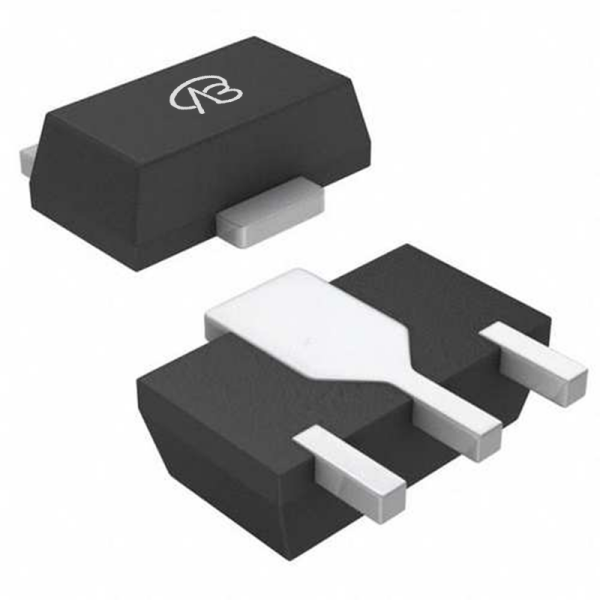
Comparative Analysis: ZXMN6A07ZTA (N-channel) vs. VBI1695
Analysis of the Original Model (ZXMN6A07ZTA) Core:
This is a 60V N-channel MOSFET from DIODES in a compact SOT-89 package. Its design core is to provide a reliable, cost-effective switching solution for medium-voltage, moderate-current applications. Key advantages include a 60V drain-source voltage rating, a continuous drain current of 2.5A, and an on-resistance of 250mΩ at 10V gate drive. It offers a robust balance for various circuit protection and switching roles.
Compatibility and Differences of the Domestic Alternative (VBI1695):
VBsemi's VBI1695 is a direct pin-to-pin compatible alternative in the same SOT-89 package. The key differences are in electrical performance: VBI1695 features a significantly lower on-resistance of 76mΩ at 10V and a higher continuous current rating of 5.5A, while maintaining the same 60V voltage rating. This represents a substantial performance upgrade in conduction losses and current handling.
Key Application Areas:
Original Model ZXMN6A07ZTA: Ideal for cost-sensitive applications requiring a 60V rating and moderate current, such as:
Load switching and protection circuits in consumer electronics.
Power management in low-to-medium power DC-DC converters.
General-purpose switching and amplification circuits.
Alternative Model VBI1695: Better suited for applications where lower conduction loss and higher current capacity are critical within the same 60V/compact footprint, enabling potential efficiency improvements or design margin.
Comparative Analysis: DMT47M2SFVWQ-7 (N-channel) vs. VBQF1405
This comparison focuses on high-current, automotive-grade performance. The original model is engineered for demanding environments, while the alternative offers enhanced electrical characteristics.
Analysis of the Original Model (DMT47M2SFVWQ-7) Core:
This is an AEC-Q101 qualified, 40V N-channel MOSFET from DIODES in a PowerDI3333-8 package. Its design core is automotive-grade reliability and high-power handling. Its standout advantages are an exceptionally high continuous drain current of 49.1A and a low on-resistance of 7.5mΩ at 10V. It includes PPAP support, making it a robust choice for automotive systems.
Compatibility and Differences of the Domestic Alternative (VBQF1405):
VBsemi's VBQF1405 uses a DFN8(3x3) package and serves as a high-performance alternative. While the package differs, it targets similar high-current applications. VBQF1405 matches the 40V rating but offers a lower on-resistance of 4.5mΩ at 10V. Its continuous current rating is 40A. It provides superior conduction performance, though the original model holds an advantage in peak current rating and automotive qualification.
Key Application Areas:
Original Model DMT47M2SFVWQ-7: The definitive choice for automotive applications requiring AEC-Q101 compliance and high ruggedness. Typical uses include:
Motor control modules (e.g., window lift, pumps, fans).
Solenoid and valve drivers.
Other high-current switches in 12V/24V automotive systems.
Alternative Model VBQF1405: An excellent fit for high-efficiency, high-current applications where ultra-low RDS(on) is paramount and formal automotive qualification may not be mandatory, such as:
High-current DC-DC synchronous rectification in industrial power supplies.
Motor drives for robotics or industrial equipment.
Power distribution switches requiring minimal voltage drop.
Conclusion
This analysis reveals two distinct substitution strategies:
For the general-purpose ZXMN6A07ZTA, the domestic alternative VBI1695 offers a direct package-compatible upgrade with significantly better on-resistance and current capability, making it a compelling choice for efficiency-focused designs.
For the automotive-grade DMT47M2SFVWQ-7, the selection is application-dependent. The original remains essential for AEC-Q101 mandated projects. For other high-power scenarios, VBQF1405 presents a "performance-enhanced" option with lower conduction loss, suitable for upgrades where thermal performance and efficiency are critical.
The core takeaway is precise requirement matching. Domestic alternatives like VBI1695 and VBQF1405 provide not just supply chain resilience but also opportunities for performance gains, offering engineers greater flexibility in design optimization and cost management. Understanding each device's design intent and parameter trade-offs is key to unlocking its full potential in your circuit.

Download PDF document
 Download now


