 中文
中文 English
Breaking Through and Surpassing R6511ENJTL: How Domestic Power MOSFETs Achieve High-Performance Substitution
Number of views:9999
 Back to previous page
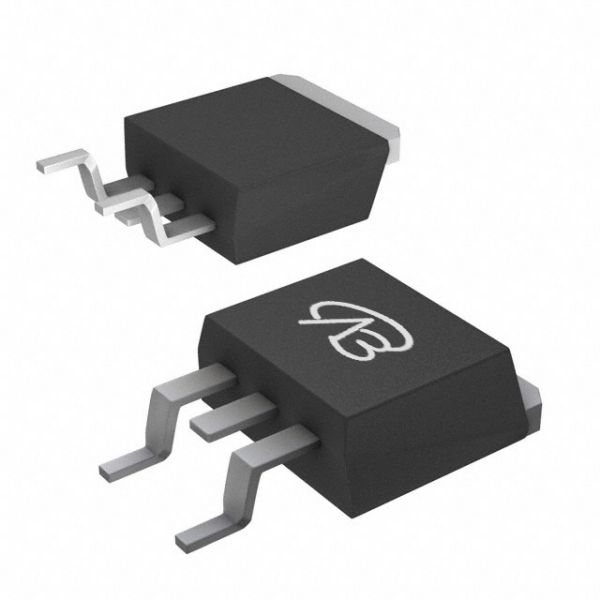
Power MOSFETs serve as the critical switches managing energy flow in contemporary electronics. For years, international manufacturers like ROHM have set benchmarks with established products such as the R6511ENJTL. However, supply chain uncertainties and the push for technological self-reliance have made finding dependable, high-performance domestic alternatives a strategic imperative. Represented by VBsemi's VBL165R11S, domestic components are now achieving direct competition and even outperforming international classics.
Part 1: Analysis of the Classic Component
ROHM's R6511ENJTL is an N-channel high-voltage MOSFET (650V, 11A) featuring a low on-resistance of 400mΩ (measured at Vgs=10V, Id=3.8A). This device offers a balanced performance profile of voltage withstand capability and current handling, making it a common choice for applications like switching power supplies, motor drives, and industrial controls.
Part 2: Performance Surpassing by the Domestic Challenger
VBsemi's VBL165R11S directly competes with the R6511ENJTL and demonstrates enhancements in key aspects:
Robust Voltage and Current Ratings: It matches the 650V drain-source voltage and 11A continuous drain current, providing equivalent power handling capacity.
Competitive Conduction Performance: With a typical on-resistance (RDS(on)) of 420mΩ at 10V, it offers very similar low conduction loss, contributing to high system efficiency.
Advanced Technology: Built with a SJ_Multi-EPI (Super Junction Multi-Epitaxial) process, this technology enables superior switching performance and optimized ruggedness.
Design Compatibility: Housed in a TO-263 package, it facilitates a pin-to-pin replacement, allowing for straightforward design integration without board layout changes.
Part 3: Core Value Beyond Specifications
Selecting this domestic alternative delivers deeper strategic benefits:
Supply Chain Resilience: Reduces reliance on single-source international suppliers, mitigating geopolitical and logistical risks to ensure production stability.
Cost Structure Optimization: Often provides a more favorable cost-performance ratio, potentially lowering overall system cost and allowing for design margin improvements.
Responsive Local Support: Enables faster access to technical assistance, custom solution development, and closer collaboration with the supplier.
Strengthening the Domestic Ecosystem: Successful adoption fuels the growth and technological advancement of the local semiconductor industry, creating a positive feedback loop.
Part 4: A Robust Path for Substitution Implementation
For a seamless transition, the following steps are recommended:
Comprehensive Parameter Review: Meticulously compare all electrical specifications, including threshold voltage (Vth=3.5V), gate-source voltage range (±30V), and switching characteristics.
Thorough Laboratory Validation: Perform static parameter verification, dynamic switching tests, thermal performance analysis, and necessary reliability stress tests.
Pilot Batch Implementation: Test the component in actual end-products under real operating conditions to validate long-term stability and performance.
Develop a Phased Transition Plan: Gradually roll out the substitution after successful verification, while maintaining the original component as an interim backup option.
Conclusion: Moving from "Direct Replacement" to "Enhanced Solution"
The progression from the R6511ENJTL to the VBL165R11S illustrates that domestic power semiconductors have reached a level where they can not only match but also offer advanced technological features compared to established international parts. Adopting such high-performance domestic components is a practical response to current supply chain dynamics and a strategic investment in building a more autonomous, resilient, and innovative industrial foundation for the future. Now is the time to actively evaluate and integrate these qualified domestic solutions.

Download PDF document
 Download now


