 中文
中文 English
Breaking Through and Surpassing STI24NM60N: How Domestic Power MOSFETs Achieve High-Performance Substitution with VBN16R20S
Number of views:9999
 Back to previous page
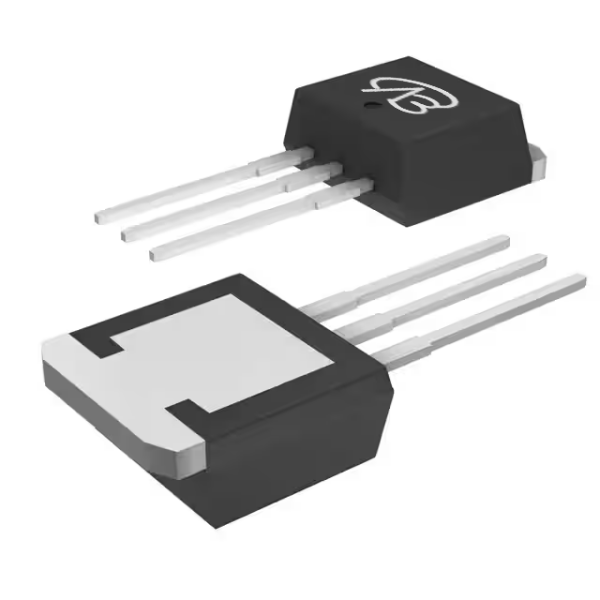
Power MOSFETs serve as the critical switches managing energy flow in power electronics. For years, international giants like STMicroelectronics have set the benchmark with workhorse components such as the STI24NM60N. However, shifting global dynamics and the pursuit of technological self-reliance have made finding robust, high-performance domestic alternatives a strategic imperative. Represented by VBsemi's VBN16R20S, domestic components are now achieving direct对标and surpassing such international classics.
Part 1: Analysis of the Classic Component
ST's STI24NM60N is a popular 600V, 17A N-channel MOSFET. It offers a balance of voltage rating and current capability with an on-resistance (RDS(on)) of 190mΩ @ 10V. This device has been widely adopted in various medium-to-high power applications including switch-mode power supplies (SMPS), motor drives, and industrial controls, earning its place as a reliable choice in many designs.
Part 2: Performance Surpassing by the Domestic Challenger
VBsemi's VBN16R20S directly对标s the STI24NM60N and demonstrates clear advantages in key specifications:
Enhanced Current Handling & Lower Loss: It features a higher continuous drain current rating of 20A (a 3A increase) and a significantly lower typical RDS(on) of 150mΩ @ 10V. This translates to greater power throughput and reduced conduction losses, leading to improved system efficiency and thermal performance.
Robust Voltage Ratings: It maintains the 600V drain-source voltage (VDS) and offers a ±30V gate-source rating, ensuring compatibility and robustness in high-voltage switching environments.
Advanced Technology: The device is built on a sophisticated SJ_Multi-EPI (Super Junction Multi-Epitaxial) technology platform, which is known for optimizing the trade-off between breakdown voltage and on-resistance.
Design-Friendly Compatibility: It comes in a TO-262 package, facilitating a straightforward replacement process in many existing layouts.
Part 3: Core Value Beyond Specifications
Selecting a domestic alternative like the VBN16R20S delivers profound strategic benefits:
Supply Chain Resilience: It mitigates risks associated with single-source international supply chains, enhancing project stability and production continuity.
Cost-Performance Optimization: It often provides superior cost competitiveness alongside its enhanced performance, potentially allowing for system-level cost savings or design optimizations.
Agile Local Support: Proximity to domestic suppliers enables faster technical support, quicker problem resolution, and more collaborative development tailored to specific application needs.
Strengthening the Industrial Ecosystem: Each successful adoption contributes to the maturation and innovation cycle of the domestic semiconductor industry, fostering a virtuous circle of progress.
Part 4: A Robust Path for Substitution Implementation
For a seamless transition, a structured approach is recommended:
Detailed Parameter Comparison: Conduct a thorough review of all electrical characteristics and switching performance curves.
Comprehensive Lab Validation: Perform rigorous testing including static parameter verification, dynamic switching analysis, efficiency/thermal measurements, and reliability stress tests.
Pilot Batch Verification: Implement the component in actual product prototypes or small production runs to monitor performance under real-world operating conditions.
Phased Implementation Plan: Develop a staged rollout strategy post-verification, maintaining the original component as a short-term backup option if necessary.
Conclusion: Advancing from "Qualified" to "Superior"
The progression from the STI24NM60N to the VBN16R20S exemplifies that domestic power semiconductors have reached a level where they can not only match but exceed the performance of established international counterparts in key metrics. Adopting such high-performance domestic components is a pragmatic step to navigate current supply chain landscapes and a strategic investment in building a more autonomous, resilient, and innovative technological foundation for the future. The time is opportune to actively evaluate and integrate these capable domestic solutions.

Download PDF document
 Download now


