 中文
中文 English
Breaking BSS84WT106 Through and Surpassing: How Domestic MOSFETs Achieve High-Performance Substitution for ROHM
Number of views:9999
 Back to previous page
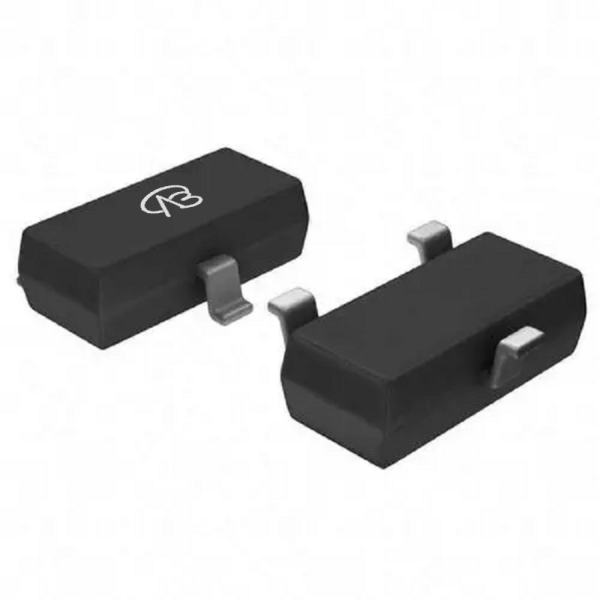
Power MOSFETs serve as fundamental switches in modern circuit design, with P-Channel types playing a key role in specific applications such as load switching and power management. For years, international manufacturers like ROHM have set industry standards with components such as the BSS84WT106. In light of evolving supply chain dynamics and the pursuit of technological independence, identifying reliable, high-performance domestic alternatives has become a strategic imperative. Represented by VBsemi's VBK264K, domestic components are now achieving direct对标and even surpassing international benchmarks.
Part 1: Analysis of the Classic Component
ROHM's BSS84WT106 is a P-Channel MOSFET rated for -60V drain-source voltage and a continuous drain current of -210mA. Featuring a standard SC70-3 package, it offers a balanced performance with an on-resistance of 5.3Ω (at Vgs=-10V), making it a common choice for space-constrained, low-to-medium power applications including power management circuits, signal switching, and portable device modules.
Part 2: Performance Surpassing by the Domestic Challenger
VBsemi's VBK264K directly对标s the BSS84WT106 and demonstrates improvements in key areas:
Lower On-Resistance: With a typical RDS(on) of 4.0Ω (at Vgs=-10V), the VBK264K reduces conduction losses compared to the classic 5.3Ω, enhancing efficiency in the same application.
Robust Voltage Ratings: It maintains a -60V VDS rating and offers a ±20V VGS range, ensuring compatibility and reliable operation in similar voltage environments.
Advanced Technology: Built on a mature Trench process, the device delivers stable switching characteristics and robust performance.
Form-Fit Compatibility: The SC70-3 package allows for a pin-to-pin replacement, enabling seamless integration without board redesign.
Part 3: Core Value Beyond Specifications
Selecting a domestic alternative like the VBK264K extends benefits beyond the datasheet:
Strengthened Supply Resilience: Reduces reliance on single-source international supply chains, mitigating risks and ensuring production stability.
Cost Structure Optimization: Often provides a more competitive total cost of ownership without compromising performance, allowing for potential system-level cost savings.
Responsive Local Support: Domestic suppliers can offer faster technical assistance, customization guidance, and collaborative problem-solving tailored to regional needs.
Ecosystem Advancement: Each successful adoption contributes to the domestic semiconductor industry's expertise, fostering innovation and a sustainable industrial cycle.
Part 4: A Robust Path for Substitution Implementation
To ensure a smooth and reliable transition, the following steps are recommended:
Comprehensive Parameter Review: Compare all electrical specifications, including threshold voltage, capacitance, and switching characteristics.
Rigorous Laboratory Validation: Perform static parameter verification, dynamic switching tests, thermal performance assessments, and application-specific reliability checks.
Pilot Batch Implementation: Test the component in real-world applications and monitor its long-term behavior under actual operating conditions.
Phased Replacement Strategy: After full validation, execute a controlled switchover while temporarily maintaining the original design as a backup option.
Conclusion: Moving from "Compatible" to "Competitive"
The transition from ROHM's BSS84WT106 to VBsemi's VBK264K illustrates that domestic power semiconductors have reached a level where they can not only match but also exceed key parameters of established international counterparts. Adopting such high-performance domestic alternatives is both a practical response to current supply chain considerations and a strategic step toward building a self-reliant, innovative, and resilient electronics industry. Now is the time to actively evaluate and integrate proven domestic solutions like the VBK264K.

Download PDF document
 Download now


