Introduction
Low-voltage MOSFETs are fundamental components for power management and switching in modern electronic systems. For applications requiring efficient power conversion and control, international brands like ROHM have set benchmarks with established products such as the RS3E095BNGZETB. In the face of evolving supply chain dynamics and the pursuit of technological self-reliance, identifying reliable, high-performance domestic alternatives has become a strategic imperative. Represented by VBsemi's VBA1311, domestic components are now achieving direct competition and surpassing such international classics.
Part 1: Analysis of the Classic Component
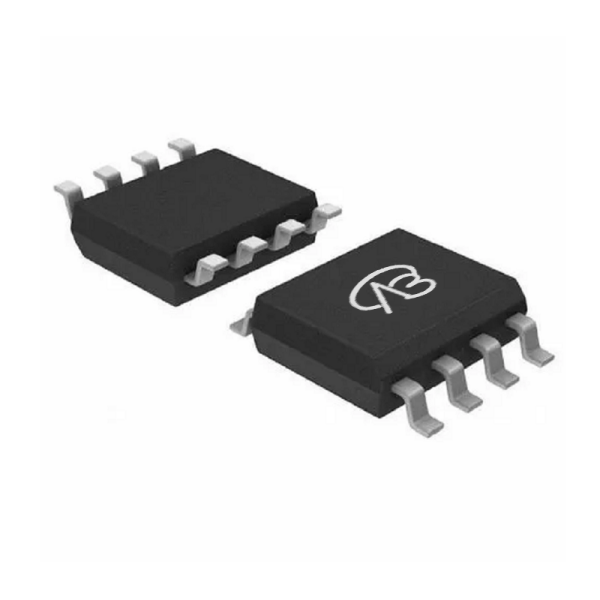
ROHM's RS3E095BNGZETB is a low-voltage N-channel MOSFET (30V, 9.5A) featuring a low on-resistance of 14.6mΩ @ 10V. Utilizing advanced trench technology, it offers a balance of efficiency and compactness in the SOP8 package. This device is widely adopted in space-constrained, high-efficiency applications such as DC-DC converters, load switches, motor drives in portable devices, and various power management modules, serving as a common choice for designers.
Part 2: Performance Surpassing by the Domestic Challenger
VBsemi's VBA1311 directly competes with the RS3E095BNGZETB and demonstrates significant improvements in key parameters:
Enhanced Current Handling: Continuous drain current is rated at 13A (an increase of 3.5A over the 9.5A of the ROHM part), enabling support for higher load currents or providing greater design margin.
Significantly Lower Conduction Loss: On-resistance is drastically reduced to a typical 8mΩ @ 10V (compared to 14.6mΩ), which minimizes power loss and heat generation, thereby improving overall system efficiency and thermal performance.
Full Pin-to-Pin Compatibility: It employs the industry-standard SOP8 package, allowing for direct drop-in replacement without requiring PCB layout modifications.
Robust Technology: The device is built on a mature and optimized Trench process, ensuring stable and reliable switching characteristics.
Part 3: Core Value Beyond Specifications
Choosing the domestic VBA1311 extends advantages beyond its superior electrical specs:
Ensuring Supply Chain Security: Reduces dependency on single-source international supply chains, mitigating risks and ensuring production stability.
Optimizing System Cost and Performance: Offers excellent cost-performance ratio. The lower RDS(on) can lead to cooler operation, potentially simplifying thermal management design and reducing system cost.
Accessing Agile Local Support: Domestic suppliers can provide faster, more responsive technical support and collaborative problem-solving tailored to specific application needs.
Strengthening the Industrial Ecosystem: Successful adoption contributes to the growth and technological maturation of the domestic semiconductor industry, fostering a virtuous cycle of innovation.
Part 4: A Robust Path for Substitution Implementation
To ensure a smooth and successful transition, the following steps are recommended:
Detailed Specification Comparison: Review all key parameters, including gate charge, capacitance, and safe operating area (SOA).
Rigorous Laboratory Validation: Conduct comprehensive tests including static parameter verification, dynamic switching loss analysis, efficiency measurements, and thermal performance evaluation under real operating conditions.
Small-Batch Pilot Testing: Implement the component in actual products or prototypes for field validation and long-term reliability monitoring.
Develop a Phased Switchover Plan: After successful verification, plan a gradual rollout while maintaining the original design as a short-term backup option.
Conclusion: Moving from "Usable" to "Excellent"
The progression from the ROHM RS3E095BNGZETB to VBsemi's VBA1311 illustrates that domestic power semiconductors have attained the capability not only to match but to exceed international counterparts in key performance metrics for low-voltage applications. Adopting such high-performance domestic components is a pragmatic solution to current supply chain challenges and a strategic investment in building a more autonomous, resilient, and innovative technological foundation for the future. The time is opportune to actively evaluate and integrate these qualified domestic solutions.


 Download now
 中文
中文 English
 Back to previous page


