Introduction
Power MOSFETs serve as the critical switches managing energy flow in modern power electronics. For years, international manufacturers like TOSHIBA have set benchmarks with components such as the XPQ1R004PB,LXHQ. However, shifts in the global supply chain and the pursuit of technological independence have made finding reliable, high-performance domestic alternatives a strategic priority. Represented by VBsemi's VBGQT1400, domestic components are now achieving direct substitution and even surpassing established international classics.
Part 1: Analysis of the Classic Component
TOSHIBA's XPQ1R004PB,LXHQ is a low-voltage, high-current MOSFET rated at 40V and 200A. It features a very low on-resistance of 1mΩ (at 10V VGS), enabling high efficiency in power-handling applications. With a power dissipation capability of 230W, it is commonly used in demanding sectors such as server power supplies, high-current DC-DC converters, and motor drives, where low conduction loss and robust current handling are essential.
Part 2: Performance Surpassing by the Domestic Challenger
VBsemi's VBGQT1400 directly substitutes the XPQ1R004PB,LXHQ and demonstrates superior key parameters:
Superior Current Handling: Continuous drain current reaches 350A, significantly higher than the 200A of the classic part, allowing for greater power throughput and design margin.
Lower Conduction Loss: On-resistance is reduced to 0.63mΩ (at 10V VGS), minimizing conduction losses and improving overall system efficiency.
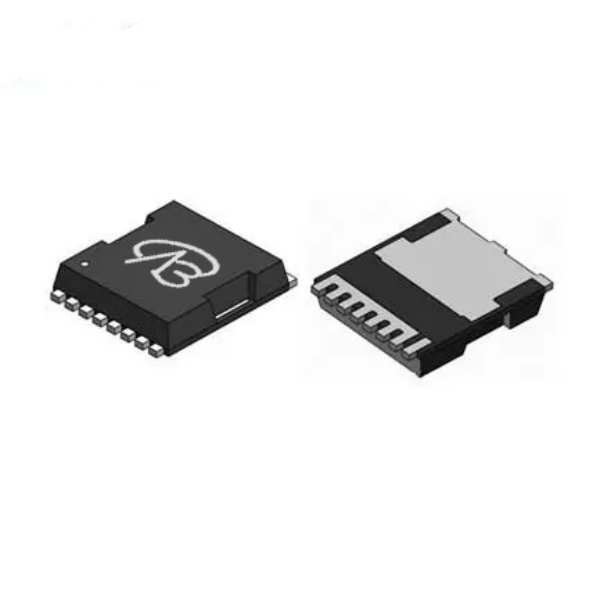
Compatible Footprint: Housed in a TOLL package, it offers pin-to-pin compatibility, facilitating a drop-in replacement without PCB redesign.
The device utilizes advanced SGT (Shielded Gate Trench) technology, delivering enhanced switching performance and reliability.
Part 3: Core Value Beyond Specifications
Selecting this domestic alternative provides deeper strategic benefits:
Enhanced Supply Chain Resilience: Reduces reliance on single-source international suppliers, mitigating risks and ensuring production stability.
Cost-Structure Optimization: Offers competitive pricing with superior performance, potentially reducing system costs and allowing for optimized thermal design.
Agile Local Support: Domestic suppliers provide faster technical response, customized solutions, and collaborative development tailored to local market needs.
Strengthening the Industrial Ecosystem: Each successful adoption contributes to the domestic semiconductor industry's growth, fostering innovation and a sustainable technology cycle.
Part 4: A Robust Path for Substitution Implementation
To ensure a smooth transition, follow these steps:
Comprehensive Parameter Review: Compare all electrical specifications, including VDS, ID, RDS(on), Vth, and switching characteristics.
Thorough Laboratory Validation: Perform static parameter tests, dynamic switching tests, thermal performance evaluations, and long-term reliability assessments.
Pilot Implementation: Test the component in actual end-product applications under real operating conditions to validate performance.
Develop a Phased Replacement Plan: Execute substitution in stages post-verification, while maintaining the original part as an interim backup option.
Conclusion: Moving from "Usable" to "Excellent"
The progression from the TOSHIBA XPQ1R004PB,LXHQ to VBsemi's VBGQT1400 illustrates that domestic power semiconductors are now capable not only of matching but outperforming international benchmarks in key areas. Adopting such high-performance domestic components is a practical response to current supply chain dynamics and a strategic investment in building an independent, resilient, and innovative industrial foundation for the future. Now is the time to actively evaluate and integrate these advanced domestic solutions.


 Download now
 中文
中文 English
 Back to previous page


