Introduction
In the realm of power management for compact electronic devices, efficient and reliable N-Channel MOSFETs are indispensable. International brands like MCC (Micro Commercial Co.) have long been key suppliers with established parts such as the MCQ15N10Y-TP. Amidst evolving global supply dynamics and the push for technological self-reliance, securing high-performance domestic alternatives has become a strategic priority. VBsemi's VBA1101N emerges as a direct and superior substitute, showcasing the advancing capability of homegrown semiconductors.
Part 1: Analysis of the Classic Component
MCC's MCQ15N10Y-TP is a 100V, 15A N-Channel MOSFET in a SOP8 package. With a specified on-resistance (RDS(on)) of 12.6mΩ at 4.5V gate drive, it offers a balance of voltage rating, current handling, and low conduction loss for its class. This device is commonly employed in space-constrained applications requiring efficient power switching, such as DC-DC converters, motor drives, and battery management systems, serving as a popular choice for designers.
Part 2: Performance Surpassing by the Domestic Challenger
VBsemi's VBA1101N directly targets and improves upon the MCQ15N10Y-TP in critical specifications:
Enhanced Current Capacity and Lower Loss: It features a higher continuous drain current rating of 16A and a significantly lower typical on-resistance of 9mΩ (measured at 10V VGS). This translates to reduced conduction losses and improved efficiency in operation.
Robust Voltage Ratings: It maintains the 100V drain-source voltage (VDS) and offers a ±20V gate-source voltage (VGS) rating, ensuring compatibility and robust gate handling.
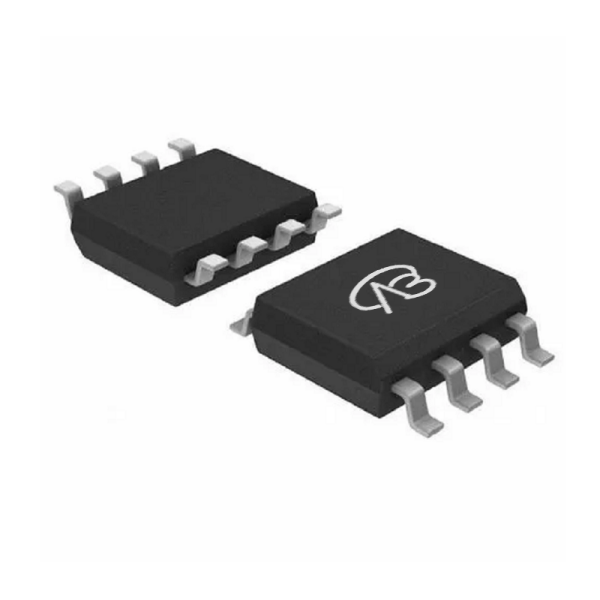
Full Form-Fit Compatibility: The device uses the industry-standard SOP8 package with a single N-Channel configuration, enabling a drop-in replacement without board redesign.
Advanced Trench Technology: It is built on a mature Trench process platform, which is optimized for low RDS(on) and reliable switching performance.
Part 3: Core Value Beyond Specifications
Opting for this domestic alternative delivers deeper strategic benefits:
Strengthened Supply Chain Resilience: Mitigates risks associated with single-source or international supply chains, ensuring greater availability and production stability.
Cost Structure Optimization: Often provides a more favorable cost-performance ratio, potentially allowing for system-level cost savings or performance headroom.
Access to Responsive Local Support: Proximity to domestic suppliers facilitates faster technical assistance, custom solutions, and collaborative development tailored to specific needs.
Empowering the Domestic Ecosystem: Successful adoption contributes to the growth and technological iteration of the local semiconductor industry, fostering a sustainable innovation cycle.
Part 4: A Robust Path for Substitution Implementation
To ensure a smooth and reliable transition, a structured approach is recommended:
Comprehensive Parameter Review: Meticulously compare all electrical characteristics, including threshold voltage (Vth), dynamic parameters, and safe operating area.
Rigorous Laboratory Validation: Perform bench tests for static parameters, switching behavior, thermal performance under load, and relevant reliability stresses.
Pilot Implementation: Introduce the component in small batches within actual products or prototypes, monitoring performance in real-world conditions over time.
Develop a Phased Switchover Plan: After successful verification, plan a gradual production transition while temporarily retaining the original design as a backup option.
Conclusion: Transitioning from Dependency to Leadership
The progression from MCC's MCQ15N10Y-TP to VBsemi's VBA1101N illustrates that domestic power semiconductors are not merely achieving parity but are now delivering enhanced performance in key metrics. Embracing such high-performance domestic components is both a practical response to immediate supply chain considerations and a strategic investment in building a more autonomous, robust, and innovative technological foundation for the future. The time is right to actively evaluate and integrate these capable domestic solutions.


 Download now
 中文
中文 English
 Back to previous page


