Breaking VBMB1803 Through and Surpassing: How Domestic Power MOSFETs Achieve High-Performance Substitution TK2R4A08QM,S4X
Introduction
Power MOSFETs serve as essential switches in modern electronic systems, controlling energy flow with precision. For decades, international manufacturers like Toshiba have set industry standards with components such as the TK2R4A08QM,S4X. Yet, global supply chain disruptions and the drive for technological independence have made sourcing reliable, high-performance domestic alternatives a strategic priority. Represented by VBsemi's VBMB1803, domestic solutions now offer direct competition and even surpass classic international models.
Part 1: Analysis of the Classic Component
Toshiba's TK2R4A08QM,S4X is an N-channel MOSFET featuring a drain-source voltage of 80V, a continuous drain current of 100A, and a low on-resistance of 2.44mΩ at 10V, 50A. This device is engineered for high-efficiency applications, including power supplies, motor drives, and automotive electronics, where its balance of voltage tolerance, current capacity, and low conduction losses has made it a preferred choice.
Part 2: Performance Surpassing by the Domestic Challenger
VBsemi's VBMB1803 directly targets the TK2R4A08QM,S4X and delivers enhancements in critical parameters:
- Superior Current Handling: Continuous drain current reaches 215A, more than doubling the capacity of the Toshiba part, enabling higher power applications and increased design margin.
- Voltage Compatibility: Maintains the same 80V drain-source voltage, ensuring seamless integration into existing designs.
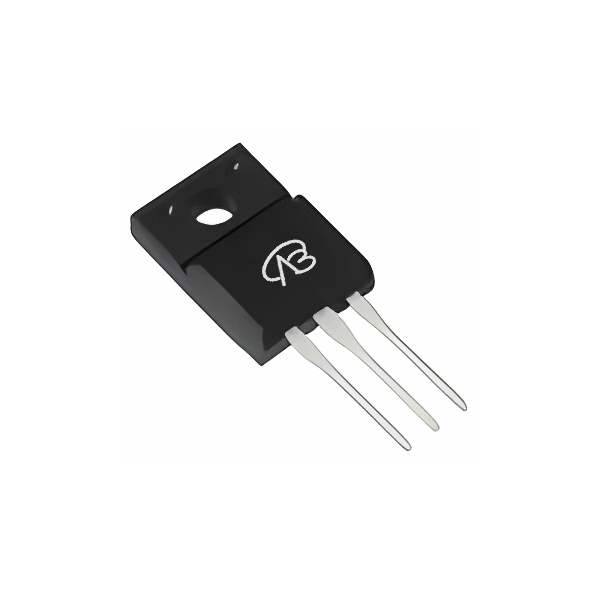
- Package Compatibility: Utilizes the pin-compatible, fully insulated TO-220F package, allowing for drop-in replacement without PCB modifications.
- Advanced Technology: Built on a trench process, ensuring robust performance and reliability.
While the on-resistance is 6.4mΩ, the substantial current gain often outweighs this factor in high-power scenarios, where current capability is paramount.
Part 3: Core Value Beyond Specifications
Opting for the domestic alternative provides deeper strategic advantages:
- Supply Chain Security: Reduces dependence on single-source international suppliers, mitigating risks and ensuring production continuity.
- Cost Optimization: Typically offers a competitive price-to-performance ratio, potentially lowering overall system costs and enabling peripheral design efficiencies.
- Rapid Local Support: Domestic suppliers provide agile technical assistance and tailored solutions for specific application needs.
- Industrial Ecosystem Growth: Each successful adoption strengthens the domestic semiconductor sector, fostering innovation and a virtuous development cycle.
Part 4: A Robust Path for Substitution Implementation
To ensure a smooth transition, follow these steps:
- Detailed Specification Comparison: Thoroughly evaluate all electrical parameters and characteristic curves against application requirements.
- Rigorous Laboratory Testing: Perform static parameter tests, dynamic switching assessments, thermal analysis, and reliability stress tests.
- Small-Batch Pilot Verification: Test the component in real products and environments, monitoring long-term performance and stability.
- Develop a Switchover and Backup Plan: Implement substitution gradually after validation, while retaining the original design as a short-term backup.
Conclusion: Moving from "Usable" to "Excellent"
The progression from the TK2R4A08QM,S4X to the VBMB1803 illustrates that domestic power semiconductors can compete with and exceed international classics in key areas like current capacity. Embracing such high-performance domestic components is both a practical response to supply chain challenges and a strategic move toward building an autonomous, resilient, and innovative industrial future. Now is the ideal time to actively evaluate and integrate quality domestic solutions.


 Download now
 中文
中文 English
 Back to previous page


