 中文
中文 English
MOSFET Selection for Medium-Power Applications: SI4850EY-T1-E3, SISS42LDN-T1-GE3 vs. China Alternatives VBA1630, VBGQF1101N
Number of views:9999
 Back to previous page
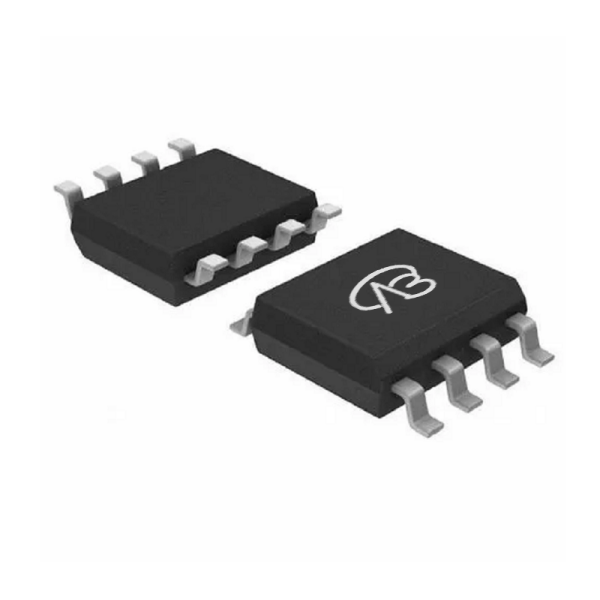
Comparative Analysis: SI4850EY-T1-E3 (N-channel) vs. VBA1630
Analysis of the Original Model (SI4850EY-T1-E3) Core:
This is a 60V N-channel MOSFET from VISHAY in a standard SO-8 package. Its design core focuses on reliable performance and broad applicability in medium-current applications. Key advantages include: a continuous drain current of 8.5A, an on-resistance of 31mΩ at 4.5V gate drive, and a high maximum junction temperature of 175°C. It is halogen-free and complies with relevant environmental standards.
Compatibility and Differences of the Domestic Alternative (VBA1630):
VBsemi's VBA1630 is a pin-to-pin compatible alternative in SOP8 package. The main differences in electrical parameters are: VBA1630 offers a slightly higher on-resistance of 35mΩ at 4.5V but a lower 25mΩ at 10V drive, and a slightly lower continuous current rating of 7.6A compared to the original's 8.5A.
Key Application Areas:
Original Model SI4850EY-T1-E3: Suitable for various 48V or lower voltage systems requiring robust performance and standard packaging, such as:
Power switches in industrial controls, automotive subsystems.
DC-DC converter switches in telecom and networking equipment.
Motor drives and solenoid drivers.
Alternative Model VBA1630: A viable alternative for cost-sensitive applications where the slight reduction in current capability (7.6A vs. 8.5A) is acceptable, and standard SO-8 packaging is required.
Comparative Analysis: SISS42LDN-T1-GE3 (N-channel) vs. VBGQF1101N
This comparison focuses on high-performance, low-loss N-channel MOSFETs for demanding applications.
Analysis of the Original Model (SISS42LDN-T1-GE3) Core:
This is a 100V Gen IV TrenchFET MOSFET from VISHAY in a compact PowerPAK1212-8S package. Its design pursues an excellent balance of low on-resistance and switching losses. Core advantages include:
Low Conduction Loss: On-resistance as low as 14.9mΩ at 4.5V gate drive, supporting a high continuous current of 39A.
Optimized Switching Figure of Merit (FOM): Designed for low RDS(on) × Qg and RDS(on) × Qoss, ideal for high-frequency switching.
Advanced Package: The PowerPAK1212-8S offers good thermal performance in a small footprint.
Compatibility and Differences of the Domestic Alternative (VBGQF1101N):
VBsemi's VBGQF1101N, in a DFN8(3x3) package, represents a "performance-enhanced" alternative. It achieves significant improvements in key parameters: the same 100V voltage rating, but a higher continuous current of 50A, and a lower on-resistance of 13.5mΩ at 4.5V (10.5mΩ at 10V).
Key Application Areas:
Original Model SISS42LDN-T1-GE3: An excellent choice for high-efficiency, high-current applications in 48V-100V systems, such as:
Synchronous rectification in high-power DC-DC converters (e.g., server, telecom PSU).
Primary-side switching in isolated power supplies.
Motor drives and inverter circuits.
Alternative Model VBGQF1101N: Suited for upgrade scenarios demanding even higher current capability (50A) and lower conduction loss, pushing the limits of power density and efficiency in similar applications.
Conclusion:
This analysis reveals two distinct selection paths:
1. For standard SO-8 based 60V applications, the original SI4850EY-T1-E3 offers proven reliability and 8.5A capability. Its domestic alternative VBA1630 provides a cost-effective, pin-compatible option with slightly adjusted specs, suitable for many standard applications.
2. For high-performance 100V applications, the original SISS42LDN-T1-GE3 delivers excellent low-loss switching with 39A capability. Its domestic alternative VBGQF1101N pushes performance further with 50A current and lower on-resistance, offering an upgrade path for designs requiring maximum efficiency and power handling.
The core takeaway is that selection depends on precise requirement matching. Domestic alternatives like VBA1630 and VBGQF1101N not only provide supply chain resilience but also offer competitive or enhanced performance in specific parameters, giving engineers greater flexibility in design trade-offs and cost optimization. Understanding each device's design philosophy and parameter implications is key to leveraging its full value in the circuit.

Download PDF document
 Download now


