 中文
中文 English
MOSFET Selection for Power Management: SI4564DY-T1-GE3, SQA403EJ-T1_GE3 vs. China Alternatives VBA5415, VBQG2317
Number of views:9999
 Back to previous page
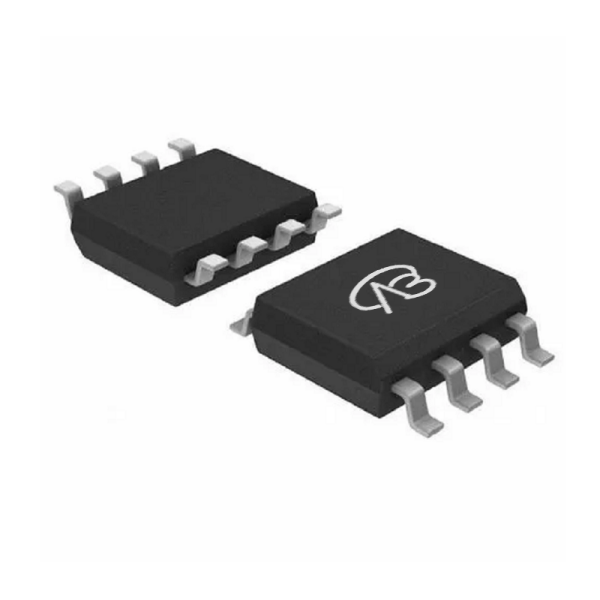
Comparative Analysis: SI4564DY-T1-GE3 (Dual N+P Channel) vs. VBA5415
Analysis of the Original Model (SI4564DY-T1-GE3) Core:
This is a 40V Dual N+P Channel MOSFET from VISHAY in an SO-8 package. Its design core is to provide a compact, integrated solution for power management circuits. Key advantages include: a dual N+P channel structure, continuous drain current of 10A, and an on-resistance of 28mΩ@4.5V for the N-channel. It features a standard threshold voltage of 2.5V, is halogen-free, and is 100% tested for Rg and UIS, ensuring reliability.
Compatibility and Differences of the Domestic Alternative (VBA5415):
VBsemi's VBA5415 is also a Dual N+P Channel MOSFET in an SOP8 package, offering a pin-to-pin compatible alternative. The main differences are in electrical parameters: VBA5415 supports higher voltage ratings (±40V for N-channel, ±20V for P-channel) and offers significantly better current capability (±9A/-8A) and lower on-resistance (18/22 mΩ@4.5V, 15/17 mΩ@10V) compared to the original.
Key Application Areas:
Original Model SI4564DY-T1-GE3: Ideal for space-constrained, integrated power management needs, such as Notebook PC power circuits and other applications requiring a reliable dual MOSFET in a standard package.
Alternative Model VBA5415: More suitable for applications requiring enhanced performance, higher voltage tolerance, lower conduction loss, and higher current capacity within a similar footprint, such as upgraded power management modules, DC-DC converters, or load switches.
Comparative Analysis: SQA403EJ-T1_GE3 (P-Channel) vs. VBQG2317
Analysis of the Original Model (SQA403EJ-T1_GE3) Core:
This is a 30V P-Channel MOSFET from VISHAY in a compact PowerPAK SC-70-6 package. Its design pursues a balance of small size, good current handling, and low on-resistance. Key advantages are: a continuous drain current of 10A, an on-resistance of 20mΩ@10V, and AEC-Q101 qualification, making it suitable for automotive applications. It is also 100% tested for Rg and UIS.
Compatibility and Differences of the Domestic Alternative (VBQG2317):
VBsemi's VBQG2317 is a P-Channel MOSFET in a DFN6(2x2) package, offering a compact alternative. The main differences: VBQG2317 has a comparable voltage rating (-30V), similar continuous current (-10A), and slightly better on-resistance (17mΩ@10V). It provides a viable alternative with competitive performance in an ultra-small package.
Key Application Areas:
Original Model SQA403EJ-T1_GE3: Excellent for space-sensitive, automotive-grade, or high-reliability applications requiring a P-channel switch with good current capability, such as battery management, load switching, and power distribution in portable or automotive electronics.
Alternative Model VBQG2317: Suitable for compact P-channel applications where package compatibility (to similar ultra-small types) and low on-resistance are valued, such as power switches in IoT devices, portable electronics, and other miniaturized systems.
Conclusion
This analysis reveals two selection paths:
1. For integrated dual N+P channel applications in standard packages, the original SI4564DY-T1-GE3 offers a reliable, halogen-free solution. Its domestic alternative VBA5415 provides a performance-enhanced option with superior voltage, current, and on-resistance parameters, suitable for upgraded designs.
2. For compact P-channel applications, the original SQA403EJ-T1_GE3, with its AEC-Q101 qualification, is ideal for automotive or high-reliability scenarios. The domestic alternative VBQG2317 offers a competitive, compact alternative with similar or slightly better electrical characteristics for general-purpose miniaturized designs.
The core takeaway: Selection depends on precise requirement matching. Domestic alternatives not only provide viable backup options but also offer performance enhancements or cost benefits, giving engineers greater flexibility in design trade-offs and supply chain resilience. Understanding each device's specifications and design intent is key to maximizing its value in your circuit.

Download PDF document
 Download now


