 中文
中文 English
MOSFET Selection for Power Applications: SI4401BDY-T1-GE3, SI7121DN-T1-GE3 vs. China Alternatives VBA2412, VBQF2317
Number of views:9999
 Back to previous page
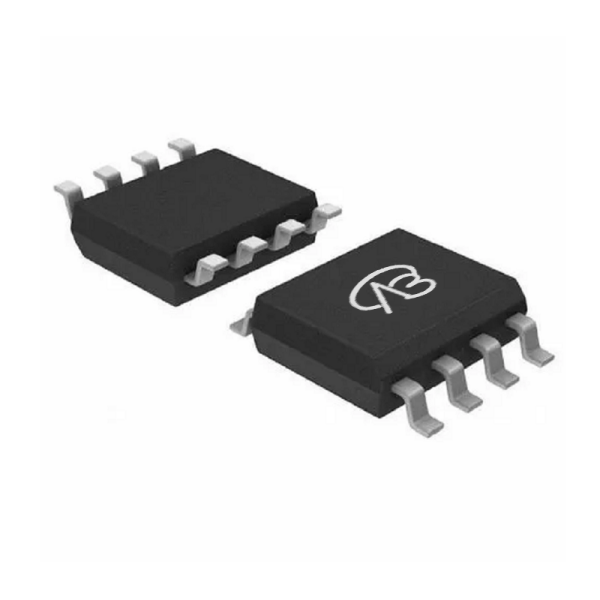
Comparative Analysis: SI4401BDY-T1-GE3 (P-channel) vs. VBA2412
Analysis of the Original Model (SI4401BDY-T1-GE3) Core:
This is a 40V P-channel MOSFET from VISHAY in SO-8 package. Its design emphasizes reliable power switching with good current handling. Key advantages include: a continuous drain current of 10.5A and an on-resistance of 21mΩ at 4.5V gate drive. It is halogen-free and complies with RoHS, making it suitable for environmentally conscious applications.
Compatibility and Differences of the Domestic Alternative (VBA2412):
VBsemi's VBA2412 is offered in SOP8 package and serves as a functional alternative. The key differences are in electrical parameters: VBA2412 features a lower on-resistance of 14mΩ at 4.5V (compared to 21mΩ) and supports a higher continuous current of 16.1A, while maintaining the same -40V voltage rating. This indicates better conduction performance and lower power loss.
Key Application Areas:
Original Model SI4401BDY-T1-GE3: Well-suited for general-purpose 40V system power switching where standard SO-8 packaging is acceptable, such as in power management blocks, load switches, or DC-DC conversion in industrial and consumer electronics.
Alternative Model VBA2412: Ideal for applications requiring lower conduction loss and higher current capability within the same voltage class, offering a performance-enhanced option for designs seeking efficiency improvements.
Comparative Analysis: SI7121DN-T1-GE3 (P-channel) vs. VBQF2317
Analysis of the Original Model (SI7121DN-T1-GE3) Core:
This is a 30V P-channel MOSFET from VISHAY in the compact PowerPAK1212-8 package. It targets applications needing a balance of current capacity and small footprint. Its core advantages are: an 18A continuous drain current and an on-resistance of 26mΩ at 4.5V gate drive, providing solid performance for its size.
Compatibility and Differences of the Domestic Alternative (VBQF2317):
VBsemi's VBQF2317 comes in a DFN8(3x3) package and is a compact alternative. The main parameter differences are: VBQF2317 offers a significantly higher continuous current of -24A and a lower on-resistance of 21.25mΩ at 4.5V, while maintaining a similar -30V voltage rating. This represents a substantial upgrade in current handling and conduction efficiency.
Key Application Areas:
Original Model SI7121DN-T1-GE3: Fits space-constrained, medium-power applications such as power distribution in portable devices, battery management systems, or as a high-side switch in compact DC-DC modules.
Alternative Model VBQF2317: Excellent for upgrade scenarios demanding higher current density and lower on-resistance in a similar package footprint, suitable for advanced power management, motor drives, or high-efficiency converters where thermal performance and power loss are critical.
Conclusion:
This analysis reveals two distinct selection paths based on design priorities.
For standard SO-8 package applications requiring 40V rating, the original SI4401BDY-T1-GE3 provides reliable performance. Its domestic alternative VBA2412 offers a compelling upgrade with lower on-resistance and higher current capability, making it a strong choice for efficiency-focused designs.
For compact, high-current P-channel applications around 30V, the original SI7121DN-T1-GE3 in PowerPAK1212-8 is a solid performer. The domestic alternative VBQF2317 in DFN8(3x3) delivers a significant performance boost with higher current (24A) and lower on-resistance, ideal for pushing power density and efficiency limits in space-constrained designs.
The core takeaway is that selection depends on precise requirement matching. Domestic alternatives not only provide viable backups but also offer performance advantages in key parameters, giving engineers greater flexibility and resilience in design trade-offs and cost optimization. Understanding each device's specifications is essential to leverage its full potential in the circuit.

Download PDF document
 Download now


