 中文
中文 English
MOSFET Selection for Compact Power Applications: SI2333DDS-T1-GE3, SIR466DP-T1-GE3 vs. China Alternatives VB2290, VBQA1303
Number of views:9999
 Back to previous page
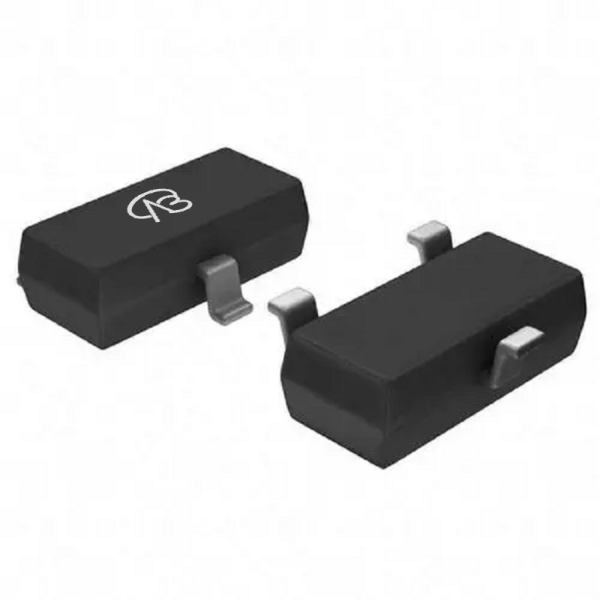
Comparative Analysis: SI2333DDS-T1-GE3 (P-channel) vs. VB2290
Analysis of the Original Model (SI2333DDS-T1-GE3) Core:
This is a -12V P-channel MOSFET from VISHAY, using a compact SOT-23 package. Its design core is to provide a balance of moderate current handling and space-saving footprint. Key parameters include a continuous drain current of -6A and an on-resistance of 150mΩ at 1.5V gate drive.
Compatibility and Differences of the Domestic Alternative (VB2290):
VBsemi's VB2290 also uses a SOT-23 package and is a pin-to-pin compatible alternative. The main differences lie in the electrical parameters: VB2290 offers a higher voltage rating (-20V) and significantly lower on-resistance (e.g., 65mΩ @4.5V). However, its continuous current rating (-4A) is lower than the original model.
Key Application Areas:
Original Model SI2333DDS-T1-GE3: Suitable for space-constrained, low-to-moderate current P-channel switching applications in 12V systems, such as load switching, power management, and signal routing in portable electronics.
Alternative Model VB2290: More suitable for applications requiring a higher voltage margin and lower conduction loss, but where the current demand is within 4A, offering an efficiency upgrade in compatible footprints.
Comparative Analysis: SIR466DP-T1-GE3 (N-channel) vs. VBQA1303
The design pursuit of this N-channel MOSFET is high-current handling with low conduction loss in a thermally enhanced package.
Analysis of the Original Model (SIR466DP-T1-GE3) Core:
This is a 30V N-channel MOSFET from VISHAY in a PowerPAK-SO-8 package. Its core advantages are high current capability (40A continuous) and very low on-resistance (3.5mΩ @10V), making it ideal for high-efficiency power conversion stages.
Compatibility and Differences of the Domestic Alternative (VBQA1303):
VBsemi's VBQA1303 uses a DFN8(5x6) package and presents a "performance-enhanced" alternative. It matches the 30V voltage rating but offers a drastically higher continuous current (120A) and even lower on-resistance (3mΩ @10V).
Key Application Areas:
Original Model SIR466DP-T1-GE3: An excellent choice for high-current, high-efficiency applications like low-side switches in synchronous DC-DC converters (e.g., for servers, telecom), motor drives, and power distribution in 12V/24V systems.
Alternative Model VBQA1303: Suited for upgraded scenarios demanding the utmost in current capability and minimal conduction loss, such as next-generation high-power-density DC-DC converters or high-current motor drives, where its superior specs provide significant headroom.
Conclusion:
In summary, this comparative analysis reveals two clear selection paths:
For P-channel applications in compact SOT-23 packages, the original SI2333DDS-T1-GE3 offers a proven 6A solution, while the domestic alternative VB2290 provides a compelling option with lower RDS(on) and higher Vds for designs where the 4A current rating is sufficient.
For N-channel applications requiring robust power handling, the original SIR466DP-T1-GE3 is a strong performer with 40A and 3.5mΩ. The domestic alternative VBQA1303 emerges as a formidable upgrade path, boasting exceptional 120A current and 3mΩ RDS(on) for the most demanding efficiency and power density challenges.
The core conclusion is: Selection hinges on precise requirement matching. Domestic alternatives like VB2290 and VBQA1303 not only provide supply chain resilience but also offer parameter advantages—from lower RDS(on) to higher current—granting engineers greater flexibility in design optimization and cost-performance trade-offs.

Download PDF document
 Download now


