 中文
中文 English
MOSFET Selection for Power Switching Solutions: SI2308BDS-T1-BE3, SIHG33N60EF-GE3 vs. China Alternatives VB1695, VBP16R32S
Number of views:9999
 Back to previous page
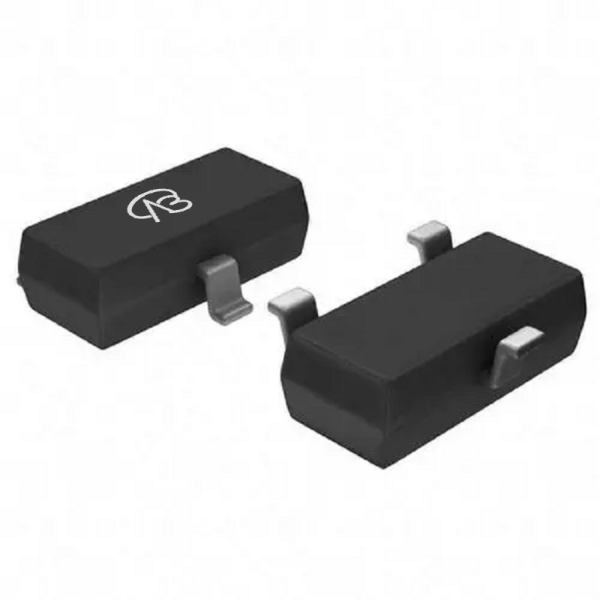
Comparative Analysis: SI2308BDS-T1-BE3 (N-channel) vs. VB1695
Analysis of the Original Model (SI2308BDS-T1-BE3) Core:
This is a 60V N-channel MOSFET from VISHAY in a compact SOT-23 package. Its design focuses on providing reliable switching in space-constrained, low-to-medium current applications. Key advantages include: a drain-source voltage (Vdss) of 60V, continuous drain current (Id) of 2.1A, and an on-resistance (RDS(on)) of 156mΩ at 10V gate drive. It is halogen-free per IEC 61249-2-21 and is 100% tested for Rg and UIS, ensuring consistency and robustness.
Compatibility and Differences of the Domestic Alternative (VB1695):
VBsemi's VB1695 is also offered in an SOT-23 package and serves as a pin-to-pin compatible alternative. The main differences are in electrical parameters: VB1695 features a significantly lower on-resistance of 75mΩ at 10V (compared to 156mΩ) and a higher continuous drain current rating of 4A (compared to 2.1A), while maintaining the same 60V voltage rating. This indicates improved conduction loss and current-handling capability.
Key Application Areas:
Original Model SI2308BDS-T1-BE3: Well-suited for compact, efficiency-sensitive circuits requiring 60V breakdown. Typical applications include:
Battery switching in portable devices.
Low-power DC-DC converters and power management modules.
Load switches and signal switching in consumer electronics.
Alternative Model VB1695: Offers enhanced performance for similar applications where lower on-resistance and higher current capacity are beneficial, potentially improving efficiency and thermal performance in upgraded designs.
Comparative Analysis: SIHG33N60EF-GE3 (N-channel) vs. VBP16R32S
This comparison shifts to high-voltage, high-current applications, where the design pursuit is low conduction loss, fast switching, and high reliability.
Analysis of the Original Model (SIHG33N60EF-GE3) Core:
This 600V, 33A N-channel MOSFET from VISHAY uses a TO-247AC package. Its core advantages are:
High Voltage & Current: Rated for 600V Vdss and 33A continuous current, suitable for offline power applications.
Optimized Switching: Features fast body diode technology (E-series) for reduced reverse recovery charge (Qrr) and time (trr), lowering switching losses.
Low Conduction Loss: On-resistance is 98mΩ at 10V gate drive, contributing to lower power dissipation.
Figure of Merit (FOM): Low RDS(on) × Qg provides a good balance between conduction and switching performance.
Compatibility and Differences of the Domestic Alternative (VBP16R32S):
VBsemi's VBP16R32S, in a TO-247 package, is a performance-competitive alternative. Key comparisons:
It matches the 600V voltage rating.
Offers a comparable continuous drain current of 32A.
Key Enhancement: Features a lower on-resistance of 85mΩ at 10V (vs. 98mΩ), which can lead to reduced conduction losses and improved thermal performance.
Utilizes Super Junction Multi-EPI technology for high efficiency.
Key Application Areas:
Original Model SIHG33N60EF-GE3: Ideal for high-efficiency, high-voltage power conversion. Typical applications include:
Telecom and server power supplies (AC-DC, DC-DC stages).
Power Factor Correction (PFC) circuits.
Motor drives and inverter applications.
Alternative Model VBP16R32S: Suitable for the same high-power applications, offering a potential performance upgrade with its lower on-resistance, which can enhance efficiency and power density in designs like SMPS, UPS, and industrial power systems.
Conclusion
This analysis outlines two distinct selection pathways:
For low-voltage, compact applications, the original SI2308BDS-T1-BE3 provides a reliable 60V/2.1A solution in a tiny SOT-23 package. Its domestic alternative VB1695 offers a direct replacement with superior on-resistance (75mΩ) and higher current capability (4A), making it an attractive option for performance-enhanced designs without changing the footprint.
For high-voltage, high-power applications, the original SIHG33N60EF-GE3 delivers robust 600V/33A performance with optimized switching characteristics. The domestic alternative VBP16R32S matches its voltage and current ratings while providing a lower on-resistance (85mΩ), positioning it as a compelling choice for engineers seeking improved efficiency and thermal management in telecom, server, and industrial power supplies.
The core takeaway is that selection depends on precise requirement matching. In the context of supply chain diversification, domestic alternatives like VB1695 and VBP16R32S not only provide reliable backup options but also offer competitive or enhanced parameters, giving engineers greater flexibility in design optimization and cost control. Understanding each device's specifications and design philosophy is key to leveraging its full potential in your circuit.

Download PDF document
 Download now


