 中文
中文 English
MOSFET Selection for Compact Power Applications: SI2301CDS-T1-E3, IRF9530PBF vs. China Alternatives VB2212N, VBM2102M
Number of views:9999
 Back to previous page
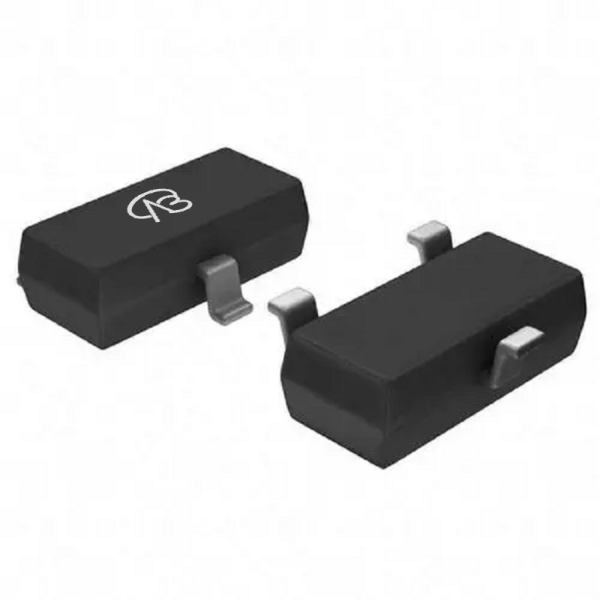
Comparative Analysis: SI2301CDS-T1-E3 (P-channel) vs. VB2212N
Analysis of the Original Model (SI2301CDS-T1-E3) Core:
This is a -20V P-channel MOSFET from VISHAY, using a compact SOT-23 package. Its design core is to provide a cost-effective and space-saving switching solution for low-voltage applications. Key parameters include a continuous drain current of -3.1A and an on-resistance (RDS(on)) of 142mΩ at Vgs=2.5V. It offers a good balance for basic power management tasks in tight spaces.
Compatibility and Differences of the Domestic Alternative (VB2212N):
VBsemi's VB2212N is a direct pin-to-pin compatible alternative in the SOT23-3 package. The main differences lie in the improved electrical parameters: VB2212N offers a lower on-resistance of 90mΩ at Vgs=4.5V (71mΩ @10V) and a slightly higher continuous drain current of -3.5A, while maintaining the same -20V voltage rating. This indicates potentially better conduction loss and current handling capability.
Key Application Areas:
Original Model SI2301CDS-T1-E3: Suitable for space-constrained, low-current switching applications such as:
Load switching and power management in portable consumer electronics.
Level shifting and signal switching in low-voltage circuits.
Power on/off control for modules in battery-powered devices (e.g., single-cell Li-ion).
Alternative Model VB2212N: With its lower RDS(on) and higher current rating, it is well-suited for upgraded applications requiring improved efficiency and load handling within the same -20V, compact SOT-23 footprint. It can be a drop-in replacement for enhanced performance.
Comparative Analysis: IRF9530PBF (P-channel) vs. VBM2102M
This comparison focuses on higher-power P-channel applications where thermal performance and robustness are critical.
Analysis of the Original Model (IRF9530PBF) Core:
This is a -100V, -12A P-channel MOSFET from VISHAY in the industry-standard TO-220AB package. Its design core, as part of the 3rd generation Power MOSFET series, emphasizes a combination of fast switching, ruggedness, low on-resistance (300mΩ @10V), and cost-effectiveness. The TO-220AB package offers excellent thermal performance with a power dissipation capability around 50W, making it a versatile choice for various commercial and industrial applications.
Compatibility and Differences of the Domestic Alternative (VBM2102M):
VBsemi's VBM2102M is a direct pin-to-pin compatible alternative in the TO-220 package. It represents a significant "performance-enhanced" choice: It shares the same -100V voltage rating but offers a substantially higher continuous drain current of -18A and a much lower on-resistance of 167mΩ at Vgs=10V (178mΩ @4.5V). This translates to significantly reduced conduction losses and higher current capability in a similar form factor.
Key Application Areas:
Original Model IRF9530PBF: A reliable workhorse for medium-power applications requiring a robust through-hole solution. Typical uses include:
Power supply circuits (e.g., high-side switches in DC-DC converters).
Motor control for small to medium brushed DC motors.
General purpose power switching in industrial controls, automotive aftermarket, and appliance boards.
Alternative Model VBM2102M: With its superior current and RDS(on) performance, it is ideal for upgraded or new designs demanding higher efficiency, lower heat generation, and greater power density. It is suitable for more demanding motor drives, high-current power supplies, and any application seeking to replace the IRF9530PBF with a higher-performance component.
Conclusion
In summary, this comparative analysis reveals two clear selection paths:
For low-voltage, compact SOT-23 P-channel applications, the original model SI2301CDS-T1-E3 provides a proven, cost-effective solution. Its domestic alternative VB2212N offers a compelling upgrade with lower on-resistance and higher current capability, making it an excellent drop-in replacement for improved performance in space-constrained designs.
For higher-voltage, medium-power P-channel applications using the TO-220 package, the original model IRF9530PBF has been an industry standard for its ruggedness and value. Its domestic alternative VBM2102M delivers substantial "performance enhancement" with much lower on-resistance (167mΩ vs. 300mΩ) and a 50% higher current rating (18A vs. 12A), positioning it as a superior choice for efficiency-critical and higher-power designs.
The core conclusion is: Selection hinges on precise requirement matching. In the context of supply chain diversification, these domestic alternative models not only provide reliable backup options but also offer performance advantages, giving engineers greater flexibility and resilience in design trade-offs and cost control. Understanding each device's parameter implications is key to maximizing its value in the circuit.

Download PDF document
 Download now


