 中文
中文 English
MOSFET Selection for Compact Power Applications: SI1902DL-T1-GE3, SI4420BDY-T1-E3 vs. China Alternatives VBK3215N, VBA1311
Number of views:9999
 Back to previous page
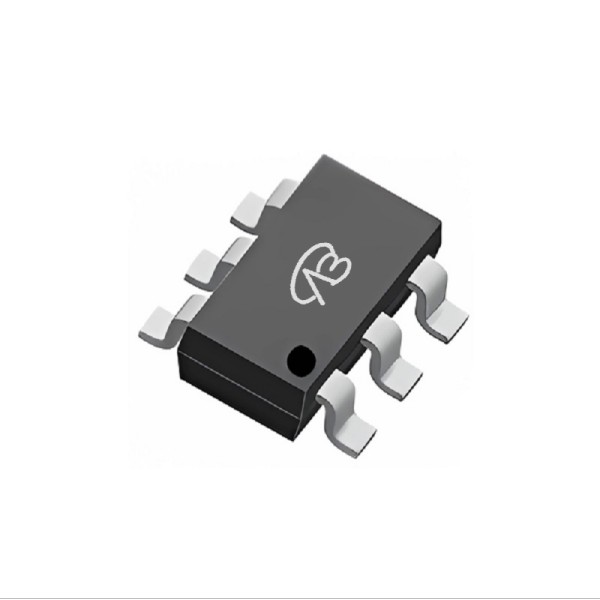
Comparative Analysis: SI1902DL-T1-GE3 (Dual N-Channel) vs. VBK3215N
Analysis of the Original Model (SI1902DL-T1-GE3) Core:
This is a 20V Dual N-Channel MOSFET from VISHAY in a compact SOT-363-6 (SC-70-6) package. Its design core is to provide efficient, low-current switching in a minimal footprint for small-signal applications. Key features include a continuous drain current (Id) of 700mA per channel and an on-resistance (RDS(on)) of 385mΩ @ 4.5V. The 6-pin SC-70 package offers improved thermal performance and a range of RDS(on) options for design flexibility.
Compatibility and Differences of the Domestic Alternative (VBK3215N):
VBsemi's VBK3215N is also a Dual N-Channel MOSFET in an SC70-6 package, offering direct pin-to-pin compatibility. The key differences are in electrical performance: VBK3215N features a significantly lower on-resistance of 86mΩ @ 4.5V and a higher continuous drain current rating of 2.6A, while maintaining the same 20V voltage rating.
Key Application Areas:
Original Model SI1902DL-T1-GE3: Ideal for space-constrained applications requiring switching of low currents (around 250-700mA). Typical uses include:
Small-signal switching and level translation circuits.
Load switching for low-power modules in portable/IoT devices.
Interface and logic control circuits where miniaturization is critical.
Alternative Model VBK3215N: Better suited for applications within the same voltage range (20V) but demanding lower conduction loss and higher current capability (up to 2.6A). It's an excellent upgrade for designs needing enhanced efficiency and power handling in a similar tiny footprint.
Comparative Analysis: SI4420BDY-T1-E3 (N-Channel) vs. VBA1311
This comparison shifts focus to a higher-power N-Channel MOSFET, where the design pursuit is an optimal balance of "low resistance, high current, and robust packaging."
Analysis of the Original Model (SI4420BDY-T1-E3) Core:
This is a 30V N-Channel TrenchFET power MOSFET from VISHAY in an SOIC-8 package. Its core advantages are:
Strong Conduction Performance: Features a low on-resistance of 8.5mΩ @ 10V and a continuous drain current of 9.5A, minimizing conduction losses.
Robust & Standard Package: The SOIC-8 package provides good thermal performance and is widely used, facilitating design and manufacturing.
Compliance: It is halogen-free and complies with relevant industry standards (IEC 61249-2-21, RoHS).
Compatibility and Differences of the Domestic Alternative (VBA1311):
VBsemi's VBA1311 is a direct pin-to-pin compatible alternative in an SOP8 package. It represents a "performance-enhanced" choice, offering superior key parameters: the same 30V voltage rating, but a higher continuous current of 13A and a lower on-resistance of 8mΩ @ 10V. This translates to potentially lower temperature rise and higher efficiency in demanding applications.
Key Application Areas:
Original Model SI4420BDY-T1-E3: Its combination of low RDS(on) and 9.5A current makes it a reliable choice for medium-power applications prioritizing efficiency. Examples include:
DC-DC converter synchronous rectification in 12V/24V systems.
Motor drives for small to medium-sized brushed DC motors.
Power management and load switches in computing, consumer, and communication equipment.
Alternative Model VBA1311: More suitable for upgrade scenarios with stricter requirements for current capability (up to 13A) and lower conduction loss. It's ideal for higher-current DC-DC converters, more powerful motor drives, or any application seeking a performance boost in the same form factor.
Conclusion
In summary, this analysis reveals two distinct selection paths:
For dual N-channel applications in ultra-compact spaces, the original SI1902DL-T1-GE3 is a proven solution for low-current switching. Its domestic alternative, VBK3215N, offers a significant performance upgrade with much lower on-resistance and higher current handling, making it an excellent choice for designs needing enhanced efficiency within the same miniature SC70-6 footprint.
For standard N-channel applications in medium-power scenarios, the original SI4420BDY-T1-E3 provides a solid balance of low resistance, good current capability, and a standard SOIC-8 package. Its domestic alternative, VBA1311, delivers clear "performance enhancement" with higher current rating and lower on-resistance, offering a compelling upgrade path for designs requiring higher power density and lower losses.
The core takeaway is that selection hinges on precise requirement matching. In the context of supply chain diversification, domestic alternatives like VBK3215N and VBA1311 not only provide viable backup options but also offer performance advantages in key parameters. This gives engineers greater flexibility and resilience in design trade-offs and cost control. Understanding each device's design philosophy and parameter implications is essential to maximizing its value in your circuit.

Download PDF document
 Download now


