 中文
中文 English
MOSFET Selection for Compact Power Applications: SI1416EDH-T1-GE3, IRF644PBF vs. China Alternatives VBK7322, VBM1252M
Number of views:9999
 Back to previous page
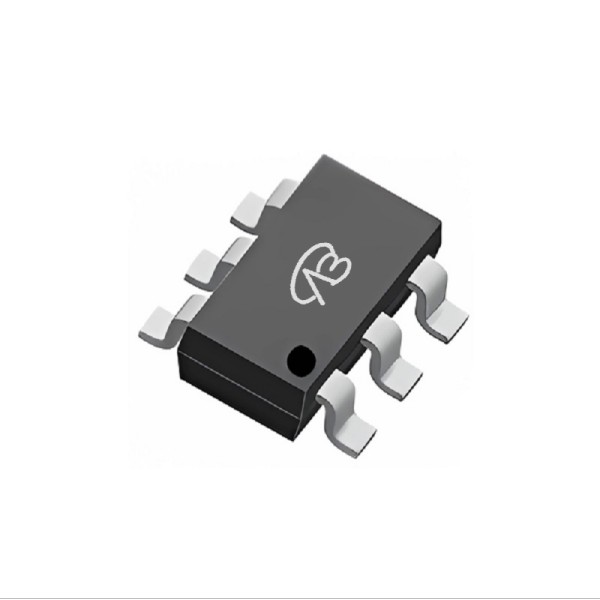
Comparative Analysis: SI1416EDH-T1-GE3 (N-channel) vs. VBK7322
Analysis of the Original Model (SI1416EDH-T1-GE3) Core:
This is a 30V N-channel MOSFET from VISHAY, using an ultra-compact SOT-363 package. Its design core is to provide reliable power switching in space-constrained, low to medium current applications. Key advantages include a continuous drain current of 3.9A and an on-resistance (RDS(on)) of 58mΩ at a 10V gate drive. It offers a balanced performance for its size.
Compatibility and Differences of the Domestic Alternative (VBK7322):
VBsemi's VBK7322 also uses a small SC70-6 package and is a functional pin-to-pin compatible alternative. The main differences lie in significantly enhanced electrical parameters: VBK7322 features a much lower on-resistance of 23mΩ (@10V) and a higher continuous drain current of 4.5A, while maintaining the same 30V voltage rating.
Key Application Areas:
Original Model SI1416EDH-T1-GE3: Suitable for space-limited applications requiring up to 30V and ~4A switching, such as load switching in portable electronics, power management for IoT modules, and as a switch in low-power DC-DC converters.
Alternative Model VBK7322: An excellent drop-in upgrade, offering lower conduction loss and higher current capability. Ideal for designs where efficiency and thermal performance in a tiny footprint are critical, or for upgrading existing circuits based on the original model for better performance.
Comparative Analysis: IRF644PBF (N-channel) vs. VBM1252M
This comparison shifts focus to higher voltage and power applications, where the design pursuit is a balance of 'high voltage withstand, low resistance, and robust current handling'.
Analysis of the Original Model (IRF644PBF) Core:
This is a 250V N-channel MOSFET from VISHAY in a standard TO-220AB package. Its core advantages are:
High Voltage Capability: With a 250V drain-source voltage, it is suitable for off-line and medium-voltage applications.
Robust Current Handling: A continuous drain current rating of 8.5A (14A under specific conditions per datasheet) supports substantial power levels.
Standard Package: The TO-220AB provides good thermal performance for its power class.
Compatibility and Differences of the Domestic Alternative (VBM1252M):
VBsemi's VBM1252M uses the same TO-220 package, ensuring mechanical and thermal compatibility. It presents a clear performance enhancement: while maintaining the 250V voltage rating, it offers a significantly lower on-resistance of 190mΩ (@10V) compared to the original's 280mΩ, and a higher continuous current rating of 14A.
Key Application Areas:
Original Model IRF644PBF: A reliable choice for various medium-power, high-voltage switching applications such as AC-DC power supply converters (e.g., PFC, flyback), motor drives (for appliances, fans), and inductive load switching.
Alternative Model VBM1252M: A superior direct replacement, providing lower conduction losses, higher efficiency, and greater current margin. It is perfectly suited for upgrading existing designs using IRF644PBF or for new projects requiring better performance in the same form factor, particularly in SMPS, motor controls, and any application where reducing RDS(on) is beneficial.
Conclusion
In summary, this comparative analysis reveals two clear selection and upgrade paths:
For ultra-compact, low-voltage N-channel applications, the original SI1416EDH-T1-GE3 is a solid performer in the SOT-363 package. Its domestic alternative VBK7322 stands out as a high-performance upgrade, offering substantially lower on-resistance and higher current in the same tiny footprint, making it an excellent choice for maximizing efficiency in space-constrained designs.
For higher-voltage, medium-power N-channel applications using the TO-220 package, the original IRF644PBF has been a workhorse component. Its domestic alternative VBM1252M emerges as a superior performance-enhanced substitute, delivering significantly lower on-resistance and higher current capability, which translates directly into lower losses, cooler operation, and higher system reliability.
The core conclusion is: Selection hinges on precise requirement matching. In the context of supply chain diversification, these domestic alternative models not only provide reliable backup options but also offer compelling performance advantages, giving engineers greater flexibility and resilience in design trade-offs and cost optimization. Understanding the parameter implications of each device is key to unlocking its full potential in your circuit.

Download PDF document
 Download now


