 中文
中文 English
MOSFET Selection for Signal Switching & Power Management: 2N7002PSZ, PMV32UP/MI215 vs. China Alternatives VBK362KS, VB2240
Number of views:9999
 Back to previous page
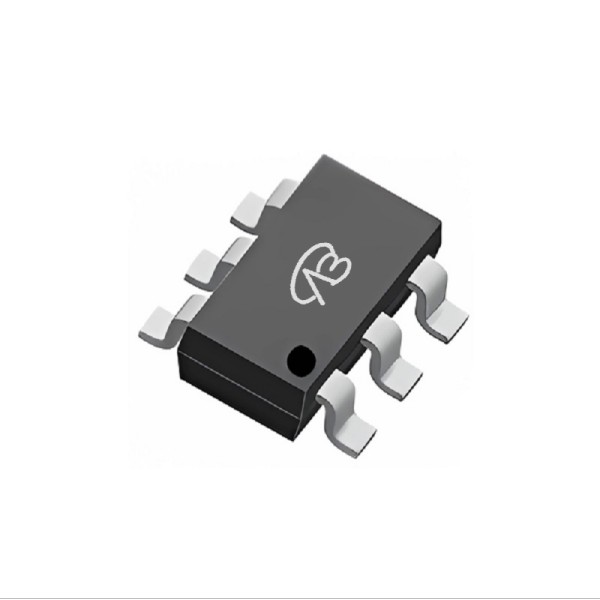
Comparative Analysis: 2N7002PSZ (Dual N-channel) vs. VBK362KS
Analysis of the Original Model (2N7002PSZ) Core:
This is a dual N-channel MOSFET from Nexperia in a compact SC-88 package. It is designed for low-power signal switching and interface control. Key advantages include: a 60V drain-source voltage rating, continuous drain current of 320mA per channel, and an on-resistance of 1.6Ω at 10V gate drive. Its dual-channel integration saves board space in applications requiring multiple switches.
Compatibility and Differences of the Domestic Alternative (VBK362KS):
VBsemi’s VBK362KS is a dual N-channel MOSFET in an SC70-6 package, offering pin-to-pin compatibility. Electrical parameters are similar: 60V voltage rating, ±20V gate-source voltage, and 0.35A continuous current per channel. The on-resistance is slightly higher at 1.8Ω (at 10V), but remains suitable for low-current switching.
Key Application Areas:
- Original Model 2N7002PSZ: Ideal for signal switching, level translation, and interface protection in low-power circuits, such as GPIO expansion, sensor interfaces, and portable device control.
- Alternative Model VBK362KS: Suitable as a direct replacement in dual N-channel applications where 60V withstand voltage and compact size are needed, such as low-current load switching or signal multiplexing.
Comparative Analysis: PMV32UP/MI215 (P-channel) vs. VB2240
This P-channel MOSFET focuses on efficient power switching in space-constrained designs.
Analysis of the Original Model (PMV32UP/MI215) Core:
This Nexperia P-channel MOSFET features a -20V drain-source voltage, 4A continuous current, and low on-resistance of 36mΩ at 4.5V gate drive. Its compact package and 930mW power dissipation make it suitable for power management in portable devices.
Compatibility and Differences of the Domestic Alternative (VB2240):
VBsemi’s VB2240 is a P-channel MOSFET in SOT23-3 package. It offers comparable performance: -20V voltage rating, -5A continuous current, and low on-resistance of 34mΩ at 4.5V (46mΩ at 2.5V). Parameters are closely matched, making it a strong alternative.
Key Application Areas:
- Original Model PMV32UP/MI215: Optimized for power path management, load switching, and battery protection in 12V/5V systems, such as in smartphones, tablets, and IoT devices.
- Alternative Model VB2240: A viable replacement for P-channel applications requiring low on-resistance and high current in a small footprint, such as DC-DC conversion or power distribution switches.
Conclusion:
This comparison highlights two clear selection paths:
- For dual N-channel signal switching, the original 2N7002PSZ offers proven performance in compact SC-88 packaging, while VBK362KS provides a compatible domestic alternative with similar voltage and current ratings.
- For P-channel power management, PMV32UP/MI215 delivers efficient switching with low on-resistance, and VB2240 matches or slightly exceeds key parameters, offering a reliable alternative for cost-sensitive or supply-chain-diversified designs.
The core insight: Selection depends on precise requirement matching. Domestic alternatives like VBK362KS and VB2240 not only provide backup options but also enable flexibility in design trade-offs and cost control. Understanding each device’s parameters ensures optimal circuit performance and resilience.

Download PDF document
 Download now


