 中文
中文 English
MOSFET Selection for Signal Switching & Load Control: 2N7002K-T1-GE3, SI2319DS-T1-E3 vs. China Alternatives VB162K, VB2470
Number of views:9999
 Back to previous page
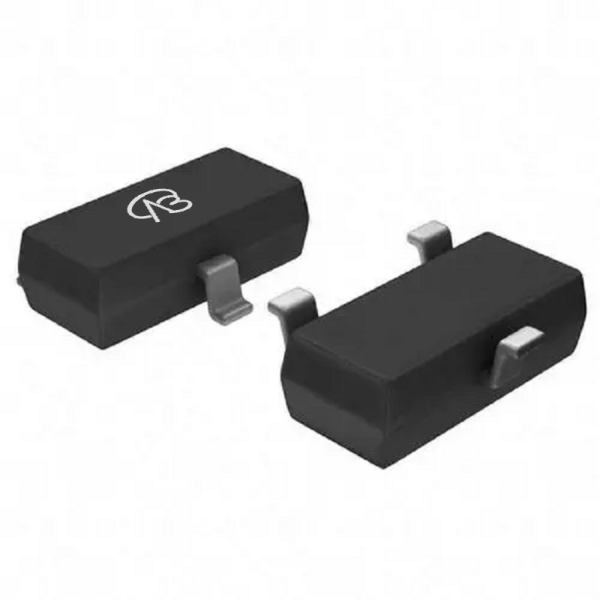
Comparative Analysis: 2N7002K-T1-GE3 (N-channel) vs. VB162K
Analysis of the Original Model (2N7002K-T1-GE3) Core:
This is a 60V N-channel MOSFET from Vishay in a compact SOT-23 package. It is designed for low-power signal switching and interface control. Its key advantages are a high drain-source voltage (Vdss) of 60V and a low gate threshold, making it suitable for driving from logic-level circuits. With a continuous drain current (Id) of 300mA and an on-resistance (RDS(on)) of 2Ω at 10V, it offers a reliable solution for general-purpose switching applications where space and cost are constraints.
Compatibility and Differences of the Domestic Alternative (VB162K):
VBsemi's VB162K is a pin-to-pin compatible alternative in an SOT23-3 package. The main differences are in electrical parameters: VB162K matches the 60V voltage rating and 0.3A current rating. Its on-resistance is specified as 2800mΩ @10V, which is slightly higher than the original's 2Ω (2000mΩ), indicating a modest compromise in conduction efficiency for potentially lower cost.
Key Application Areas:
Original Model 2N7002K-T1-GE3: Ideal for low-current signal switching, level shifting, and interface protection in various electronic systems. Typical applications include:
GPIO port protection and isolation.
Driving small relays, LEDs, or other low-power peripherals.
Signal multiplexing and switching in communication modules.
Alternative Model VB162K: Suitable as a direct replacement in applications where the original's voltage and current ratings are sufficient, and the slightly higher on-resistance is acceptable, such as in cost-sensitive designs or as a backup option for the 2N7002K.
Comparative Analysis: SI2319DS-T1-E3 (P-channel) vs. VB2470
This comparison focuses on P-channel MOSFETs optimized for load switching in space-constrained designs.
Analysis of the Original Model (SI2319DS-T1-E3) Core:
This Vishay P-channel MOSFET in an SOT-23-3 package is designed for efficient load switching. Its core advantages are a good balance of performance in a tiny footprint: a -40V drain-source voltage, a continuous drain current of -3A, and a low on-resistance of 82mΩ at 10V. It is characterized as a TrenchFET power MOSFET, emphasizing efficiency and is suitable for applications requiring higher current handling in a small package.
Compatibility and Differences of the Domestic Alternative (VB2470):
VBsemi's VB2470 is a pin-to-pin compatible alternative. It shows competitive or enhanced parameters: the same -40V voltage rating, a slightly higher continuous current of -3.6A, and a significantly lower on-resistance of 71mΩ @10V compared to the original's 82mΩ. This indicates potentially lower conduction losses and better thermal performance.
Key Application Areas:
Original Model SI2319DS-T1-E3: Excellent for compact load switch applications. Typical uses include:
Power rail switching and distribution in portable devices.
Battery-powered device load management.
High-side switching in DC-DC circuits and power management units (PMUs).
Alternative Model VB2470: A strong alternative, potentially offering improved performance due to its lower on-resistance and higher current rating. It is suitable for the same load-switch applications where higher efficiency or greater current margin is desired.
Summary and Selection Guide
This analysis reveals clear selection paths for small-signal and load-switch MOSFETs:
For N-channel, low-current signal switching (like the 2N7002K), the original model offers a proven balance of 60V rating and 300mA current. The domestic alternative VB162K provides a functionally compatible, likely cost-effective replacement, albeit with a marginally higher on-resistance, suitable for many standard switching duties.
For P-channel, load-switch applications (like the SI2319DS), the original model provides robust performance with 3A current and 82mΩ on-resistance in a miniaturized package. The domestic alternative VB2470 emerges as a performance-enhanced option, surpassing the original in both current capability (3.6A) and on-resistance (71mΩ), making it an excellent choice for designs demanding higher efficiency and power handling in the same footprint.
Core Conclusion: Selection depends on precise requirement matching. In the context of supply chain diversification, domestic alternatives like VB162K and VB2470 provide not only viable backup options but also opportunities for cost savings or performance gains. Understanding the specific parameter needs of your application—whether it's voltage withstand, current handling, or minimal conduction loss—is key to selecting the most optimal MOSFET for your design.

Download PDF document
 Download now


