 中文
中文 English
MOSFET Selection for High-Voltage Power Applications: STP31N65M5, STP40N65M2 vs. China Alternatives VBM165R25S and VBM165R32S
Number of views:9999
 Back to previous page
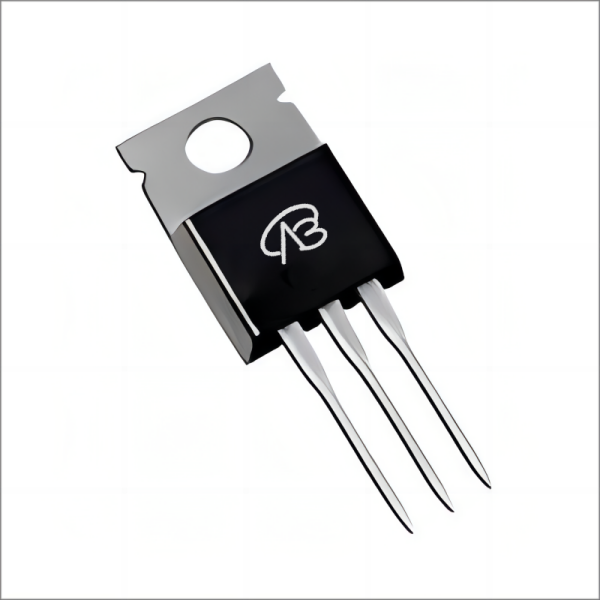
Comparative Analysis: STP31N65M5 (N-channel) vs. VBM165R25S
Analysis of the Original Model (STP31N65M5) Core:
This is a 650V N-channel MOSFET from STMicroelectronics, utilizing the robust TO-220 package. It is part of the MDmesh M5 family, designed to offer a good balance between switching performance and conduction loss for high-voltage applications. Its key advantages are a high voltage rating of 650V, a continuous drain current of 22A, and a typical on-resistance (RDS(on)) of 124mΩ. The MDmesh M5 technology aims for low gate charge and improved dv/dt capability.
Compatibility and Differences of the Domestic Alternative (VBM165R25S):
VBsemi's VBM165R25S is a direct pin-to-pin compatible alternative in a TO-220 package. The key differences are in the electrical parameters: while maintaining the same 650V voltage rating, the VBM165R25S offers a higher continuous current rating of 25A and a significantly lower on-resistance of 115mΩ (at 10V Vgs) compared to the original's 148mΩ. This indicates potentially lower conduction losses.
Key Application Areas:
Original Model STP31N65M5: Well-suited for medium-power off-line switch-mode power supplies (SMPS), power factor correction (PFC) stages, and motor drives where 650V capability and 22A current are sufficient.
Alternative Model VBM165R25S: Offers a performance-enhanced drop-in replacement for the STP31N65M5. Its lower RDS(on) and higher current rating make it suitable for applications demanding higher efficiency or slightly higher power density within the same form factor, such as upgraded SMPS designs or more demanding motor controls.
Comparative Analysis: STP40N65M2 (N-channel) vs. VBM165R32S
This comparison focuses on higher-current capability within the same 650V class. The STP40N65M2 represents a design pursuit for lower conduction loss in a higher-current package.
Analysis of the Original Model (STP40N65M2) Core:
This MOSFET, from ST's MDmesh M2 series, is engineered for very low on-resistance. In the TO-220 package, it offers a 650V rating, a continuous current of 32A, and a low typical RDS(on) of 87mΩ (99mΩ max at 10V, 16A). The M2 technology emphasizes reduced RDS(on)Area figure of merit.
Compatibility and Differences of the Domestic Alternative (VBM165R32S):
VBsemi's VBM165R32S is the pin-compatible domestic alternative. It matches the 650V/32A ratings but pushes the performance further with an even lower on-resistance of 85mΩ (at 10V Vgs). This represents a meaningful reduction in conduction loss compared to the original model.
Key Application Areas:
Original Model STP40N65M2: Ideal for higher-power applications like server/telecom SMPS, industrial motor drives, UPS systems, and welding equipment where low conduction loss at higher currents (up to 32A) is critical.
Alternative Model VBM165R32S: Serves as a superior-performance alternative for the STP40N65M2. Its lower RDS(on) translates directly into higher efficiency and reduced heat generation, making it an excellent choice for efficiency-critical upgrades or new designs in high-power PFC, LLC resonant converters, and high-current motor drives.
Conclusion
In summary, this analysis reveals clear upgrade paths through domestic alternatives:
For the STP31N65M5 benchmark, the domestic alternative VBM165R25S provides a direct replacement with enhanced performance—higher current (25A vs. 22A) and lower on-resistance (115mΩ vs. 148mΩ). It is an excellent choice for designers seeking a drop-in efficiency boost for medium-power 650V applications.
For the higher-current STP40N65M2 benchmark, the domestic alternative VBM165R32S offers a performance-competitive solution. It matches the current rating (32A) while achieving a lower on-resistance (85mΩ vs. 99mΩ), making it a strong candidate for high-power designs where minimizing conduction loss is paramount.
The core takeaway is that selection is driven by precise requirement matching. In the context of supply chain diversification, these domestic alternatives (VBM165R25S and VBM165R32S) not only provide reliable, pin-compatible options but also deliver equal or superior electrical performance in key parameters. This offers engineers greater flexibility in design optimization, cost control, and building a resilient supply chain. Understanding the specific performance gains of each alternative is key to leveraging its full value in the application circuit.

Download PDF document
 Download now


