 中文
中文 English
MOSFET Selection for High-Voltage Power Applications: STH60N099DM9-2AG, STW27NM60ND vs. China Alternatives VBL16R20S, VBP165R47S
Number of views:9999
 Back to previous page
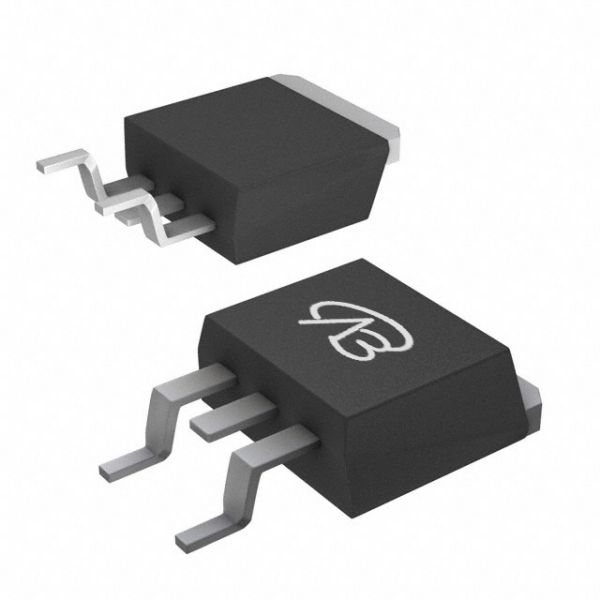
Comparative Analysis: STH60N099DM9-2AG (N-channel) vs. VBL16R20S
Analysis of the Original Model (STH60N099DM9-2AG) Core:
This is a 600V N-channel MOSFET from STMicroelectronics, utilizing the advanced MDmesh DM9 superjunction technology in an H2PAK-2 package. Its design core is to achieve an excellent trade-off between ultra-low specific on-resistance and fast switching performance in medium/high-voltage applications. Key advantages include: a low on-resistance of 99mΩ at a 10V gate drive, a continuous drain current of 27A, and a high power dissipation of 179W. It integrates a fast recovery body diode with very low reverse recovery charge (Qrr) and time (trr), making it ideal for demanding bridge topologies and Zero Voltage Switching (ZVS) phase-shift converters.
Compatibility and Differences of the Domestic Alternative (VBL16R20S):
VBsemi's VBL16R20S is offered in a TO-263 package. The main differences lie in the electrical parameters: while it matches the 600V voltage rating, its continuous current (20A) is lower, and its on-resistance (190mΩ @10V) is higher than the original model. It is based on a SJ_Multi-EPI process.
Key Application Areas:
Original Model STH60N099DM9-2AG: Its combination of low RDS(on), high current capability, and fast diode characteristics makes it highly suitable for efficient high-voltage switching applications.
High-Efficiency Bridge Topologies: Such as PFC stages, half/full-bridge converters.
ZVS Phase-Shift Converters: Where low Qrr is crucial for minimizing switching losses.
Switched-Mode Power Supplies (SMPS): For servers, telecom, and industrial power systems.
Alternative Model VBL16R20S: More suitable for applications where the 600V rating is required but the current demand and switching frequency are moderate, offering a cost-effective alternative in TO-263 footprint.
Comparative Analysis: STW27NM60ND (N-channel) vs. VBP165R47S
This comparison focuses on high-voltage MOSFETs in robust packages for power-dense applications.
Analysis of the Original Model (STW27NM60ND) Core:
This ST model is a 600V, 21A N-channel MOSFET in a TO-247-3 package. It provides a robust solution with an on-resistance of 160mΩ at 10V. Its design emphasizes reliable performance in high-voltage circuits with good thermal dissipation capability thanks to its package.
Compatibility and Differences of the Domestic Alternative (VBP165R47S):
VBsemi's VBP165R47S represents a significant "performance-enhanced" alternative. It uses a TO-247 package and surpasses the original in key parameters: a higher voltage rating (650V), a much higher continuous current (47A), and a dramatically lower on-resistance (50mΩ @10V). It is also based on an advanced SJ_Multi-EPI process.
Key Application Areas:
Original Model STW27NM60ND: A reliable choice for standard 600V applications requiring a robust package, such as:
Motor Drives: For industrial motors and appliances.
Power Supplies: In UPS systems and industrial SMPS.
Inverters: For solar and general power conversion.
Alternative Model VBP165R47S: Ideal for upgrade scenarios demanding higher efficiency, higher current capability, and lower conduction losses. Its superior specs make it suitable for:
High-Current DC-DC Converters
Next-Generation High-Power Motor Drives
High-Density Power Supplies where reduced RDS(on) directly improves thermal performance and efficiency.
Conclusion:
This analysis reveals two distinct selection paths for high-voltage designs:
For advanced medium/high-voltage applications requiring the best balance of low conduction loss and fast switching (e.g., ZVS converters), the original STH60N099DM9-2AG with its MDmesh DM9 technology and fast diode offers compelling advantages. Its domestic alternative VBL16R20S provides a viable, cost-effective option for less demanding 600V circuits.
For applications where thermal performance and high current are paramount, the original STW27NM60ND is a solid, reliable performer. However, the domestic alternative VBP165R47S delivers substantial "performance enhancement" with its higher voltage rating, much lower RDS(on), and nearly doubled current rating, making it an excellent choice for next-generation, high-efficiency, high-power-density designs.
The core conclusion is that selection hinges on precise requirement matching. In the context of supply chain diversification, domestic alternatives like VBL16R20S and VBP165R47S not only provide feasible backups but also offer opportunities for parameter surpassing, giving engineers greater flexibility in design trade-offs and cost optimization. Understanding each device's design philosophy and parameter implications is key to unlocking its full potential in your circuit.

Download PDF document
 Download now


