 中文
中文 English
MOSFET Selection for High-Power & Automotive Applications: STH180N10F3-2, STL210N4LF7AG vs. China Alternatives VBL1103, VBQA1401
Number of views:9999
 Back to previous page
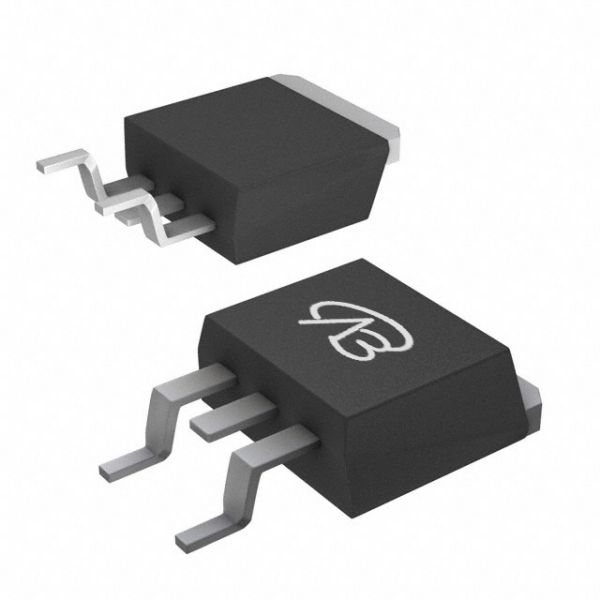
Comparative Analysis: STH180N10F3-2 (High-Power N-channel) vs. VBL1103
Analysis of the Original Model (STH180N10F3-2) Core:
This is a 100V N-channel MOSFET from STMicroelectronics, utilizing the H2PAK-2 (TO-263) package. It is developed with STripFET™ F3 technology, focusing on minimizing both on-resistance and gate charge for superior switching performance. Its key advantages are an extremely high continuous drain current rating of 180A and a low on-resistance of 3.9mΩ (measured at 10V, 60A). This combination makes it ideal for high-current switching with minimal conduction loss.
Compatibility and Differences of the Domestic Alternative (VBL1103):
VBsemi's VBL1103 is offered in a TO-263 package and serves as a functional alternative. The parameters are highly comparable: both are 100V, Single N-channel devices with a continuous current rating of 180A and an on-resistance (RDS(on)@10V) of 3mΩ. This indicates that VBL1103 matches or slightly improves upon the conduction performance of the original model, making it a strong pin-to-pin compatible alternative for high-power applications.
Key Application Areas:
Original Model STH180N10F3-2: Excels in high-power, high-current applications requiring excellent switching performance and low losses.
High-Current DC-DC Converters: Such as synchronous rectification in server power supplies or telecom rectifiers.
Motor Drives and Inverters: For industrial motors, e-bikes, or low-voltage power tools.
Power Distribution and Switching: In uninterruptible power supplies (UPS) and battery management systems (BMS).
Alternative Model VBL1103: Suitable for the same high-power domains as the original, offering a reliable domestic alternative with equivalent current capability and potentially lower conduction resistance, providing an excellent balance of performance and supply chain diversification.
Comparative Analysis: STL210N4LF7AG (Automotive N-channel) vs. VBQA1401
This comparison focuses on automotive-grade MOSFETs where low on-resistance, high current density, and reliability are paramount.
Analysis of the Original Model (STL210N4LF7AG) Core:
This is an AEC-Q101 qualified, 40V N-channel MOSFET in a PowerVDFN-8 (PowerFLAT 5x6) package. It uses ST's advanced STripFET F7 technology, targeting ultra-low on-resistance and high efficiency in a compact footprint. Its standout features are a very low typical on-resistance of 1.3mΩ and a high continuous current rating of 120A, making it a top-tier choice for demanding automotive and compact power applications.
Compatibility and Differences of the Domestic Alternative (VBQA1401):
VBsemi's VBQA1401 comes in a DFN8(5x6) package, offering direct pin-to-pin compatibility. Its electrical parameters are highly competitive: a 40V rating, a continuous current of 100A, and an exceptionally low on-resistance of 0.8mΩ (at 10V gate drive). While its rated current is slightly lower than the STL210N4LF7AG's 120A, its significantly lower RDS(on) offers advantages in reducing conduction losses and improving thermal performance in many scenarios.
Key Application Areas:
Original Model STL210N4LF7AG: Its automotive-grade qualification and exceptional performance make it ideal for demanding, space-constrained applications.
Automotive Systems: Body control modules (BCM), electric power steering (EPS), LED lighting drivers, and battery disconnect switches.
High-Density DC-DC Conversion: Point-of-load (POL) converters in servers, networking, and telecom equipment.
High-Current Load Switching: For hot-swap controllers and power distribution.
Alternative Model VBQA1401: Is an excellent alternative for applications requiring ultra-low conduction loss in a compact package. It is well-suited for high-efficiency DC-DC converters, motor drive circuits, and power switches where its lower RDS(on) can translate directly into higher efficiency and lower operating temperature, even at slightly lower continuous current ratings.
Summary
This analysis reveals two distinct yet complementary selection paths for high-performance N-channel MOSFETs:
For ultra-high-current (180A) applications at 100V, the original STH180N10F3-2 sets a high standard with its robust H2PAK-2 package and optimized F3 technology. Its domestic alternative VBL1103 presents a compelling, performance-matched option with identical voltage/current ratings and a potentially lower 3mΩ on-resistance, offering a viable alternative for server power, industrial drives, and high-power systems.
For automotive-grade and high-density applications at 40V, the original STL210N4LF7AG stands out with its AEC-Q101 qualification, 120A current capability, and advanced F7 technology in a miniature package. The domestic alternative VBQA1401 counters with a significantly lower 0.8mΩ on-resistance in a compatible DFN package, making it a powerful choice for applications where minimizing conduction loss is the top priority, even with a 100A current rating.
The core conclusion is that selection hinges on precise requirement matching. In the landscape of supply chain diversification, domestic alternatives like VBL1103 and VBQA1401 not only provide reliable backup options but also offer competitive or even superior performance in key parameters such as on-resistance. This gives engineers greater flexibility and resilience in making design trade-offs and optimizing for cost, performance, and availability. A deep understanding of each device's design philosophy and parameter implications is essential to unlock its full potential in your circuit.

Download PDF document
 Download now


