 中文
中文 English
MOSFET Selection for High-Power & High-Voltage Applications: STH140N8F7-2, STD2N95K5 vs. China Alternatives VBL1803, VBE19R02S
Number of views:9999
 Back to previous page
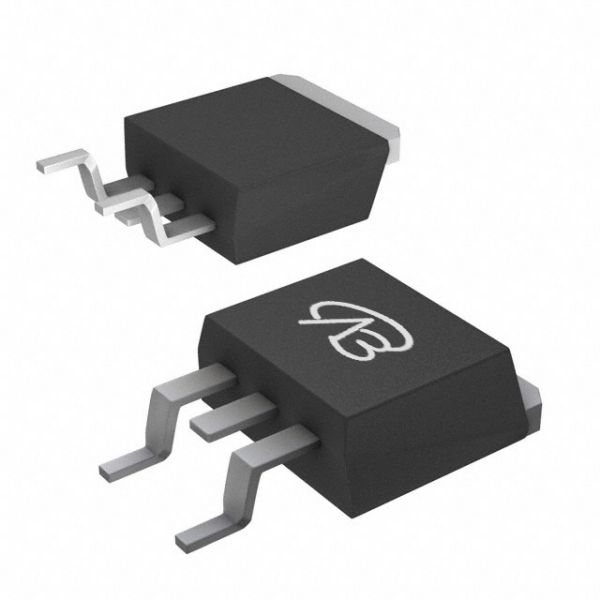
Comparative Analysis: STH140N8F7-2 (High-Current N-channel) vs. VBL1803
Analysis of the Original Model (STH140N8F7-2) Core:
This is an 80V N-channel MOSFET from STMicroelectronics, utilizing the H2PAK-2 package designed for high-power applications. Its design core is to achieve very low conduction loss and high current handling in a thermally enhanced package. Key advantages include: a very low on-resistance of 3.3mΩ (typical) at 10V gate drive, and a high continuous drain current rating of 90A. This makes it ideal for applications demanding high efficiency and high power density.
Compatibility and Differences of the Domestic Alternative (VBL1803):
VBsemi's VBL1803 is offered in a TO-263 package and serves as a functional alternative for high-current applications. The key differences are in the electrical parameters: VBL1803 has a similar 80V voltage rating but offers a significantly higher continuous current rating of 215A. Its on-resistance is slightly higher at 5mΩ (@10V) compared to the original's 3.3mΩ, but it remains very competitive. The gate threshold voltage is compatible at 3V.
Key Application Areas:
Original Model STH140N8F7-2: Its excellent balance of low RDS(on) and high current in the H2PAK-2 package makes it ideal for:
High-current DC-DC converters and synchronous rectification in 48V systems.
Motor drives for industrial equipment, e-bikes, or power tools.
High-efficiency power stages in server, telecom, and automotive applications.
Alternative Model VBL1803: With its exceptionally high 215A current rating and low 5mΩ RDS(on), it is suitable for upgraded or new designs requiring even higher current capability and robust performance, potentially offering a margin for higher power density or lower thermal stress.
Comparative Analysis: STD2N95K5 (High-Voltage N-channel) vs. VBE19R02S
This comparison shifts focus to high-voltage switching applications, where voltage withstand capability and switching loss are primary concerns.
Analysis of the Original Model (STD2N95K5) Core:
This is a 950V N-channel MOSFET from STMicroelectronics in a DPAK package, part of the MDmesh K5 series. Its design pursues high-voltage capability with optimized switching performance. Core advantages include:
High Voltage Rating: 950V Vdss suitable for off-line applications.
Optimized Technology: MDmesh K5 technology aims for low gate charge and good RDS(on) Area figure of merit for its voltage class.
Package: DPAK offers a good compromise between creepage distance, power handling, and board space.
Compatibility and Differences of the Domestic Alternative (VBE19R02S):
VBsemi's VBE19R02S, in a TO-252 package, is a direct pin-to-pin compatible alternative for high-voltage applications. The parameters show a close match:
Voltage Rating: Slightly lower at 900V vs. 950V, but sufficient for many 700-800V DC link applications.
Current Rating: Matched at 2A continuous.
On-Resistance: VBE19R02S specifies 2700mΩ (@10V), which is in a similar range to the original's typical 4.2 Ohm (4200mΩ), potentially indicating lower conduction loss.
Technology: Utilizes Super Junction Multi-EPI technology for high-voltage efficiency.
Key Application Areas:
Original Model STD2N95K5: Its high voltage rating and DPAK package make it suitable for:
Power Factor Correction (PFC) stages in SMPS.
Flyback or forward converter primary-side switches in offline power supplies.
Lighting ballasts and industrial controls.
Alternative Model VBE19R02S: With its compatible package, similar current, and competitive on-resistance at 900V, it is a viable alternative for the same high-voltage applications like PFC, offline converters, and lighting, offering a potential cost advantage or supply chain diversification.
Conclusion:
This analysis reveals two distinct selection paths based on application priority:
For high-current, medium-voltage (80V) applications, the original STH140N8F7-2, with its excellent 3.3mΩ RDS(on) and 90A rating in an H2PAK-2 package, is a strong choice for high-efficiency power conversion and motor drives. Its domestic alternative VBL1803 presents a compelling "performance-enhanced" option with a massive 215A current rating and low 5mΩ RDS(on) in a TO-263 package, suitable for designs pushing higher power limits.
For high-voltage (~900-950V), lower-current applications, the original STD2N95K5 offers reliable 950V capability in a DPAK package. The domestic alternative VBE19R02S provides a highly compatible TO-252 alternative with a closely matched 900V/2A rating and a potentially lower on-resistance, making it an excellent choice for supply chain resilience in PFC, SMPS, and lighting designs.
The core conclusion is that selection depends on precise requirement matching. In the context of supply chain diversification, domestic alternatives like VBL1803 and VBE19R02S not only provide feasible backups but also offer competitive or enhanced parameters in key areas, giving engineers greater flexibility in design trade-offs and cost optimization. Understanding the design focus and parameter implications of each device is essential to leverage its full value in the circuit.

Download PDF document
 Download now


