 中文
中文 English
MOSFET Selection for High-Voltage Power Applications: STB16N90K5, STP45N65M5 vs. China Alternatives VBL19R15S, VBM165R36S
Number of views:9999
 Back to previous page
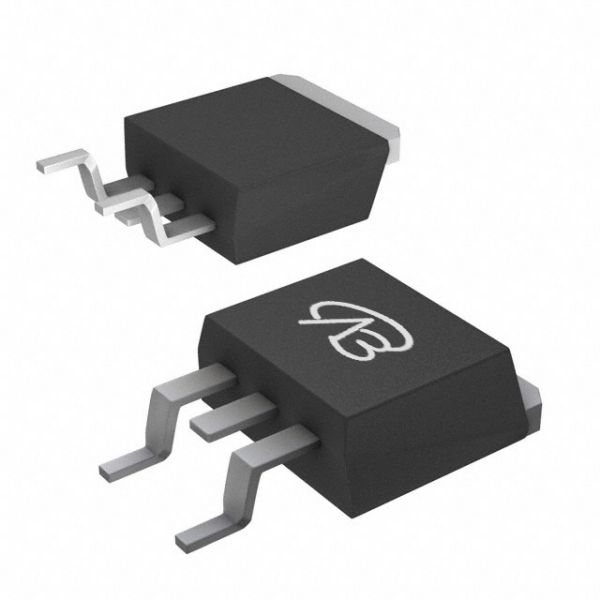
Comparative Analysis: STB16N90K5 (900V N-channel) vs. VBL19R15S
Analysis of the Original Model (STB16N90K5) Core:
This is a 900V N-channel MOSFET from STMicroelectronics, utilizing the MDmesh K5 superjunction technology in a D2PAK package. Its design core is to achieve high efficiency and robustness in high-voltage switching applications. Key advantages include: a high drain-source voltage rating of 900V, a continuous drain current of 15A, and a low typical on-resistance (RDS(on)) of 280mΩ (330mΩ max @ 10V gate drive). This combination makes it suitable for demanding off-line power supplies.
Compatibility and Differences of the Domestic Alternative (VBL19R15S):
VBsemi's VBL19R15S is also offered in a TO-263 (similar footprint to D2PAK) package and serves as a pin-to-pin compatible alternative. The main differences lie in the electrical parameters: VBL19R15S matches the 900V voltage rating and 15A continuous current. However, its specified on-resistance is slightly higher at 420mΩ (@10V), compared to the original's 330mΩ maximum.
Key Application Areas:
Original Model STB16N90K5: Its high voltage rating and good RDS(on) make it ideal for high-voltage, medium-power applications requiring reliability.
Switch Mode Power Supplies (SMPS): Particularly in PFC (Power Factor Correction) stages and flyback/forward converters for industrial or appliance power supplies.
Lighting: High-voltage ballasts and LED driver circuits.
Motor Drives: Inverter stages for appliances and industrial motors operating from high-voltage DC buses.
Alternative Model VBL19R15S: A suitable alternative for applications where the 900V/15A rating is critical, and a slight increase in conduction loss is acceptable or can be managed thermally. It provides a solid domestic option for the same application spaces, enhancing supply chain resilience.
Comparative Analysis: STP45N65M5 (650V N-channel) vs. VBM165R36S
This comparison focuses on higher-current 650V MOSFETs, where the design pursuit is an optimal balance of "low conduction loss, high current capability, and good switching performance."
Analysis of the Original Model (STP45N65M5) Core:
This 650V N-channel MOSFET from ST uses MDmesh M5 technology in a TO-220 package. Its core advantages are:
Excellent Conduction Performance: With a continuous drain current of 35A and a very low on-resistance of 78mΩ (@10V, 17.5A condition), it minimizes conduction losses in high-current paths.
High Voltage Ruggedness: The 650V rating is standard for off-line applications like PFC and half-bridges.
Robust Package: The TO-220 package offers good thermal performance for its power class (40W dissipation).
Compatibility and Differences of the Domestic Alternative (VBM165R36S):
VBsemi's VBM165R36S is a direct pin-to-pin compatible alternative in a TO-220 package and represents a "performance-enhanced" choice. It matches the 650V voltage rating but offers a higher continuous current of 36A and a remarkably low on-resistance of 75mΩ (@10V). This parameter set suggests potentially lower conduction losses and a higher efficiency/current margin compared to the original.
Key Application Areas:
Original Model STP45N65M5: Its low RDS(on) and high current capability make it a strong candidate for efficiency-critical, higher-power applications.
High-Current SMPS: Main switches in server power supplies, telecom rectifiers, and high-power adapters.
Motor Drives / Inverters: Power stage switches in motor drives for industrial equipment, HVAC, and e-mobility.
Welding Equipment & UPS: Where robust switching and high current are required.
Alternative Model VBM165R36S: Is highly suitable for upgrade scenarios demanding even lower conduction loss and slightly higher current capability. It can be a drop-in replacement offering potential performance gains in the same 650V application spaces, such as next-generation high-efficiency power supplies or motor drives.
Conclusion
In summary, this analysis reveals two clear selection paths for high-voltage applications:
For 900V medium-power applications, the original model STB16N90K5, with its proven MDmesh K5 technology, 900V rating, and 15A/330mΩ capability, remains a reliable choice for robust SMPS and motor drives. Its domestic alternative VBL19R15S provides essential pin-to-pin compatibility and matches the voltage/current rating, making it a viable alternative for securing the supply chain, albeit with a slightly higher RDS(on).
For 650V higher-current applications, the original model STP45N65M5 offers an excellent balance of 35A current, 78mΩ RDS(on), and TO-220 thermal capability, making it a workhorse for industrial power conversion. The domestic alternative VBM165R36S presents a compelling "performance-enhanced" option, with marginally higher current (36A) and lower on-resistance (75mΩ), potentially offering efficiency improvements in upgrade designs or new projects.
The core conclusion is: Selection depends on precise requirement matching. In the context of supply chain diversification, domestic alternatives like VBL19R15S and VBM165R36S not only provide feasible backup options but can also offer competitive or superior parameters, giving engineers greater flexibility and resilience in design trade-offs and cost control. Understanding the specific demands of your high-voltage circuit is key to unlocking the full value of these devices.

Download PDF document
 Download now


