 中文
中文 English
MOSFET Selection for Compact Power Applications: PMV160UPVL, PMPB07R3VPX vs. China Alternatives VB2212N, VBQG2216
Number of views:9999
 Back to previous page
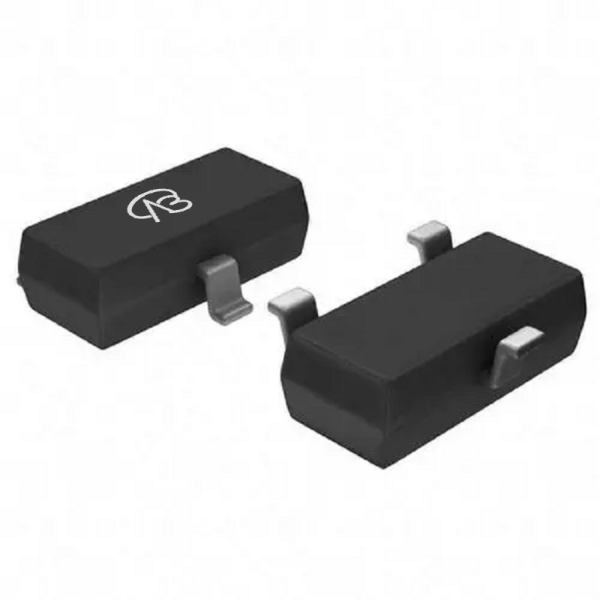
Comparative Analysis: PMV160UPVL (P-channel) vs. VB2212N
Analysis of the Original Model (PMV160UPVL) Core:
This is a 20V P-channel MOSFET from Nexperia, using the ultra-compact SOT-23 package. Its design core is to provide a reliable switching solution in space-constrained, low to medium current applications. The key parameters are a continuous drain current of 1.2A and an on-resistance of 210mΩ at a 4.5V gate drive.
Compatibility and Differences of the Domestic Alternative (VB2212N):
VBsemi's VB2212N is a pin-to-pin compatible alternative in the SOT23-3 package. The main differences lie in significantly enhanced electrical parameters: VB2212N offers a much lower on-resistance of 90mΩ@4.5V and a higher continuous drain current of -3.5A, while maintaining the same -20V voltage rating.
Key Application Areas:
Original Model PMV160UPVL: Suitable for signal-level switching, load switching, or power management in portable electronics where space is critical and current demands are around 1A.
Alternative Model VB2212N: Ideal for direct upgrades in similar applications, offering lower conduction loss and higher current handling (up to 3.5A), enabling better efficiency or support for more demanding loads within the same footprint.
Comparative Analysis: PMPB07R3VPX (P-channel) vs. VBQG2216
Analysis of the Original Model (PMPB07R3VPX) Core:
This is a 12V P-channel MOSFET from Nexperia in a DFN-6 package, designed for high-current switching in a small form factor. Its core advantages are a very low on-resistance of 7.3mΩ at 4.5V and a high continuous drain current of 17.5A, making it excellent for power path management and switching in compact, high-efficiency designs.
Compatibility and Differences of the Domestic Alternative (VBQG2216):
VBsemi's VBQG2216 uses a compatible DFN6(2x2) package. The key differences are its higher voltage rating (-20V vs. -12V) and different performance profile. While its continuous current (-10A) is lower than the original, it offers versatile on-resistance performance (e.g., 28mΩ@4.5V) and a higher gate-source voltage tolerance (±20V).
Key Application Areas:
Original Model PMPB07R3VPX: Excellent for high-current load switches, battery protection circuits, and DC-DC conversion in 12V systems where minimizing conduction loss (7.3mΩ) is paramount for efficiency.
Alternative Model VBQG2216: More suitable for applications requiring a higher voltage margin (up to -20V) and robust gate driving, even if the continuous current requirement is moderate (within 10A). It provides a good balance of voltage capability and low RDS(on) in a tiny package.
Conclusion
This analysis reveals two distinct selection paths based on application priorities:
For ultra-compact, low-current SOT-23 applications, the domestic alternative VB2212N presents a compelling performance-enhanced option over PMV160UPVL, offering significantly lower RDS(on) and higher current capability for a potential direct upgrade.
For high-current switching in miniaturized DFN packages, the choice depends on the primary requirement: the original PMPB07R3VPX remains superior for lowest possible on-resistance (7.3mΩ) and high current (17.5A) in 12V systems. Its alternative VBQG2216 is a strong candidate for applications needing a higher voltage rating (-20V) and robust operation, accepting a moderate current specification.
The core takeaway is precise requirement matching. Domestic alternatives like VB2212N and VBQG2216 provide viable, sometimes enhanced, options that increase design flexibility and supply chain resilience, allowing engineers to make informed trade-offs between performance, cost, and risk.

Download PDF document
 Download now


