 中文
中文 English
MOSFET Selection for High-Voltage and High-Current Applications: NVB099N65S3, NVMFS6H818NLT1G vs. China Alternatives VBL165R36S, VBGQA1803
Number of views:9999
 Back to previous page
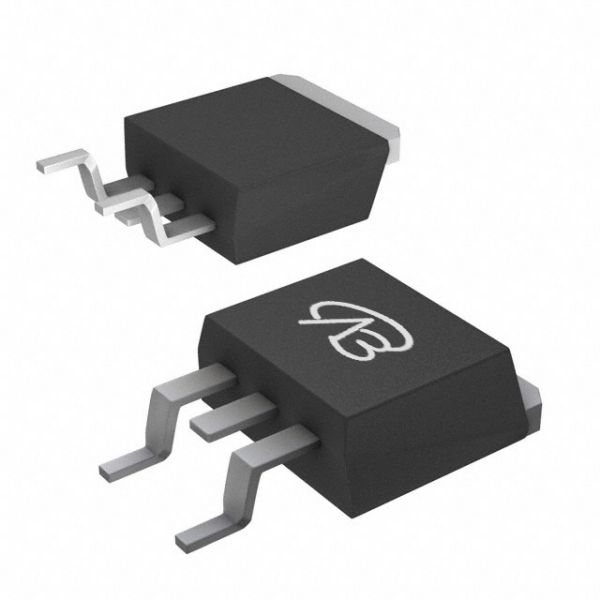
Comparative Analysis: NVB099N65S3 (650V N-channel) vs. VBL165R36S
Analysis of the Original Model (NVB099N65S3) Core:
This is a 650V N-channel SUPERFET III MOSFET from onsemi, in a D2PAK-3 (TO-263-3) package. Its design core leverages advanced super-junction (SJ) and charge-balance technology to achieve an excellent balance between low conduction loss and high switching performance. Key advantages include: a high voltage rating of 650V, continuous drain current of 30A, and an on-resistance of 99mΩ at 10V gate drive. It features low gate charge and high dv/dt ruggedness, which helps minimize switching losses and mitigate EMI challenges, making it easy to drive in high-voltage applications.
Compatibility and Differences of the Domestic Alternative (VBL165R36S):
VBsemi’s VBL165R36S is also a 650V N-channel MOSFET in a TO-263 package, offering a pin-to-pin compatible alternative. The main differences lie in electrical parameters: VBL165R36S provides a lower on-resistance of 75mΩ at 10V and a higher continuous current rating of 36A, indicating superior conduction performance. It utilizes a multi-epitaxial SJ structure, aiming for lower losses and higher current capability compared to the original.
Key Application Areas:
Original Model NVB099N65S3: Ideal for high-voltage, medium-power applications requiring robust switching and good driveability. Typical uses include:
Switch-Mode Power Supplies (SMPS): PFC stages, flyback, or forward converters in industrial/telecom power systems.
Motor Drives: Inverter stages for appliances or industrial motors.
Lighting: High-voltage LED drivers or ballast control.
Alternative Model VBL165R36S: Better suited for 650V applications demanding lower conduction loss and higher current throughput (up to 36A), such as upgraded SMPS designs or motor drives where efficiency and thermal performance are critical.
Comparative Analysis: NVMFS6H818NLT1G (80V N-channel) vs. VBGQA1803
This comparison focuses on high-current, low-voltage applications where low on-resistance and compact size are paramount.
Analysis of the Original Model (NVMFS6H818NLT1G) Core:
This onsemi device is an 80V N-channel MOSFET in a compact SO-8FL (5x6 mm) package. Its design pursues minimal conduction and switching losses in a small footprint. Core advantages include:
Exceptional Current Handling: Continuous drain current up to 135A.
Very Low On-Resistance: 3.2mΩ at 10V gate drive (measured at 20A), minimizing conduction losses.
Fast Switching: Low gate charge (Qg) and capacitance reduce drive losses.
Robust Packaging: The SO-8FL with solderable side wings improves thermal performance and facilitates optical inspection. It is AEC-Q101 qualified for automotive applications.
Compatibility and Differences of the Domestic Alternative (VBGQA1803):
VBsemi’s VBGQA1803 is a direct alternative in a DFN8(5x6) package. It represents a "performance-enhanced" option with key parameter improvements: same 80V voltage rating, but a higher continuous current of 140A and a significantly lower on-resistance of 2.65mΩ at 10V. This translates to potentially lower temperature rise and higher efficiency in high-current paths.
Key Application Areas:
Original Model NVMFS6H818NLT1G: An excellent choice for space-constrained, high-current applications where efficiency and reliability are critical. For example:
DC-DC Synchronous Rectification: Low-side switch in high-current buck converters for servers, telecom, or automotive systems.
Motor Drives: Control of high-current brushed/brushless DC motors.
Battery Management Systems (BMS): High-side or discharge path switches in electric vehicles or energy storage.
Alternative Model VBGQA1803: Ideal for upgrade scenarios demanding the lowest possible conduction loss and maximum current capability (140A), such as next-generation high-density DC-DC converters or ultra-high-current motor drives.
Conclusion
This analysis reveals two distinct selection paths:
For 650V high-voltage applications, the original NVB099N65S3 offers a reliable balance of 650V rating, 30A current, and 99mΩ RDS(on) with robust SUPERFET III technology, suitable for various industrial power stages. Its domestic alternative VBL165R36S provides a performance upgrade with lower on-resistance (75mΩ) and higher current (36A), making it a compelling choice for designs prioritizing efficiency and higher power density.
For 80V high-current applications, the original NVMFS6H818NLT1G stands out with its compact SO-8FL package, impressive 135A current, and low 3.2mΩ RDS(on), meeting stringent requirements for space and efficiency in automotive and industrial systems. The domestic alternative VBGQA1803 pushes the envelope further with 140A current and an ultra-low 2.65mΩ RDS(on), enabling even higher performance and lower losses in demanding upgrade projects.
The core takeaway is that selection depends on precise requirement matching. In the context of supply chain diversification, domestic alternatives not only provide viable backups but also offer performance advantages in specific parameters, giving engineers greater flexibility and resilience in design trade-offs and cost control. Understanding each device's design philosophy and parameter implications is key to maximizing its value in your circuit.

Download PDF document
 Download now


