 中文
中文 English
MOSFET Selection for Compact Power Applications: NTS2101PT1G, NTMFS5C670NLT1G vs. China Alternatives VBK2298, VBQA1606
Number of views:9999
 Back to previous page
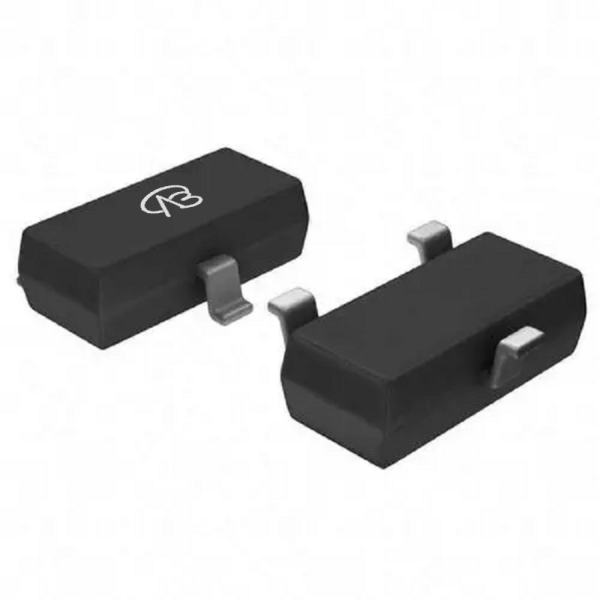
Comparative Analysis: NTS2101PT1G (P-channel) vs. VBK2298
Analysis of the Original Model (NTS2101PT1G) Core:
This is an 8V P-channel MOSFET from onsemi, using an ultra-small SOT-323 package. Its design core is to provide basic power switching functionality in a minimal footprint. The key parameters are a continuous drain current of 1.4A and an on-resistance of 117mΩ at 1.8V drive.
Compatibility and Differences of the Domestic Alternative (VBK2298):
VBsemi's VBK2298 uses a similar small SC70-3 package and is a functional alternative. The main differences lie in the electrical parameters: VBK2298 offers a higher voltage rating (-20V) and significantly better on-resistance performance (80mΩ@4.5V). It also supports a higher continuous current of -3.1A.
Key Application Areas:
Original Model NTS2101PT1G: Suitable for low-voltage, low-current switching applications in space-constrained designs, such as signal level shifting, load switching for low-power modules, or power management in portable electronics.
Alternative Model VBK2298: More suitable for applications requiring a higher voltage margin, lower conduction loss, and higher current capability within a similar tiny footprint, offering a performance-enhanced drop-in option.
Comparative Analysis: NTMFS5C670NLT1G (N-channel) vs. VBQA1606
Analysis of the Original Model (NTMFS5C670NLT1G) Core:
This is a 60V N-channel MOSFET from onsemi in a compact SO-8FL package (5x6 mm). Its design pursuit is high current handling with low loss in a small size. Core advantages include a very high continuous drain current of 71A and a low on-resistance of 8.8mΩ at 4.5V drive. It features low thermal resistance and low gate charge for reduced driving loss.
Compatibility and Differences of the Domestic Alternative (VBQA1606):
The domestic alternative VBQA1606 uses a DFN8(5x6) package and represents a 'performance-competitive' choice. It matches the 60V voltage rating but offers a higher continuous current of 80A and a lower on-resistance of 7mΩ at 4.5V drive, promising potentially lower conduction losses.
Key Application Areas:
Original Model NTMFS5C670NLT1G: Ideal for high-current, medium-voltage applications where board space is premium. Typical uses include synchronous rectification in compact DC-DC converters, motor drives in robotics or tools, and power distribution in servers/telecom equipment.
Alternative Model VBQA1606: Suited for the same high-power density applications but where even lower on-resistance and higher current margin are desired for maximizing efficiency and thermal performance.
Conclusion
In summary, this comparative analysis reveals two clear selection paths:
For low-power P-channel switching in ultra-compact spaces, the original NTS2101PT1G provides a proven solution, while its domestic alternative VBK2298 offers a compelling upgrade with better voltage rating, current, and on-resistance in a compatible form factor.
For high-current N-channel applications in power-dense designs, the original NTMFS5C670NLT1G sets a high standard with its impressive current capability in a small package. The domestic alternative VBQA1606 competes strongly by matching or slightly exceeding key performance parameters like current and on-resistance.
The core conclusion is: Selection depends on precise requirement matching. Domestic alternatives like VBK2298 and VBQA1606 provide viable, performance-competitive options, enhancing supply chain resilience and offering engineers greater flexibility in design and cost optimization.

Download PDF document
 Download now


