 中文
中文 English
MOSFET Selection for High-Voltage and Compact Power Designs: NTPF125N65S3H, FDC2612 vs. China Alternatives VBMB165R26S, VB7202M
Number of views:9999
 Back to previous page
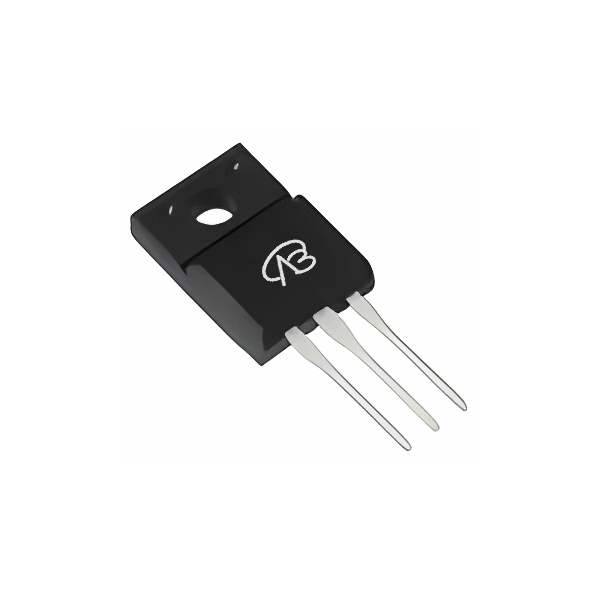
Comparative Analysis: NTPF125N65S3H (650V SuperFET) vs. VBMB165R26S
Analysis of the Original Model (NTPF125N65S3H) Core:
This is a 650V N-channel SuperFET III MOSFET from onsemi, in a TO-220F package. Its design core leverages charge-balance superjunction (SJ) technology to achieve low conduction loss and excellent switching performance in high-voltage applications. Key advantages include a low on-resistance of 125mΩ at 10V gate drive, a continuous drain current of 24A, and optimized low gate charge for fast switching and high dv/dt robustness. This makes it ideal for high-efficiency, high-density power systems.
Compatibility and Differences of the Domestic Alternative (VBMB165R26S):
VBsemi’s VBMB165R26S is a pin-to-pin compatible alternative in the same TO-220F package. It offers similar high-voltage performance with a 650V rating and enhanced key parameters: a lower on-resistance of 115mΩ at 10V and a higher continuous current of 26A. This indicates improved conduction loss and current-handling capability compared to the original.
Key Application Areas:
- Original Model NTPF125N65S3H: Optimized for high-voltage, medium-power applications requiring robust switching and thermal performance. Typical uses include:
- SMPS and AC-DC converters (e.g., PFC, flyback, half-bridge topologies).
- Motor drives and inverters for industrial or appliance systems.
- High-voltage DC-DC conversion in solar, UPS, or server power supplies.
- Alternative Model VBMB165R26S: Suited for similar high-voltage applications but with added margin in current capability and lower conduction loss, ideal for designs prioritizing efficiency upgrade or higher power density.
Comparative Analysis: FDC2612 (200V TSOT-23) vs. VB7202M
Analysis of the Original Model (FDC2612) Core:
This is a 200V N-channel MOSFET from onsemi in a compact TSOT-23-6 package. It is designed for low-power, high-efficiency DC-DC conversion with a focus on low gate charge, fast switching, and moderate on-resistance (725mΩ at 10V). Its small footprint and 1.1A continuous current rating make it suitable for space-constrained, low-to-medium power switching applications.
Compatibility and Differences of the Domestic Alternative (VB7202M):
VBsemi’s VB7202M is a direct pin-to-pin alternative in SOT23-6 package, offering significant performance enhancements: a higher continuous current of 4A and much lower on-resistance—200mΩ at 4.5V and 160mΩ at 10V. This results in substantially reduced conduction loss and improved current capability in a similarly compact form factor.
Key Application Areas:
- Original Model FDC2612: Ideal for compact, low-power DC-DC conversion where board space is critical. Typical applications include:
- Synchronous rectification in low-power switch-mode power supplies (SMPS).
- Load switching and power management in portable devices, IoT modules.
- Secondary-side switching in adapters or auxiliary power circuits.
- Alternative Model VB7202M: Better suited for applications demanding higher current (up to 4A) and lower conduction loss within a small footprint, such as enhanced DC-DC converters, motor drive circuits in compact designs, or power path management in battery-powered systems.
Summary
This comparison reveals two distinct selection pathways:
For high-voltage (650V) applications like SMPS or motor drives, the original NTPF125N65S3H offers a balanced blend of low RDS(on), robust switching, and thermal performance in a TO-220F package. Its domestic alternative VBMB165R26S provides a compatible upgrade with lower on-resistance (115mΩ) and higher current (26A), making it a strong candidate for efficiency-driven or higher-power designs.
For compact, low-to-medium voltage (200V) applications, the original FDC2612 delivers reliable performance in a tiny TSOT-23-6 package for space-constrained circuits. The alternative VB7202M significantly outperforms it in current capability (4A) and on-resistance (as low as 160mΩ), offering an enhanced solution for designs needing higher power density and lower losses in a similar footprint.
Core Conclusion: Selection depends on precise requirement matching. In a diversified supply chain, domestic alternatives like VBMB165R26S and VB7202M not only provide reliable compatibility but also offer parameter enhancements—giving engineers greater flexibility in design trade-offs, cost control, and performance optimization. Understanding each device’s design philosophy and parametric implications is key to maximizing circuit value.

Download PDF document
 Download now


