 中文
中文 English
MOSFET Selection for High-Voltage Power and Miniature Signal Switching: FQPF10N60C, NTK3134NT5G vs. China Alternatives VBMB165R12, VBHA1230N
Number of views:9999
 Back to previous page
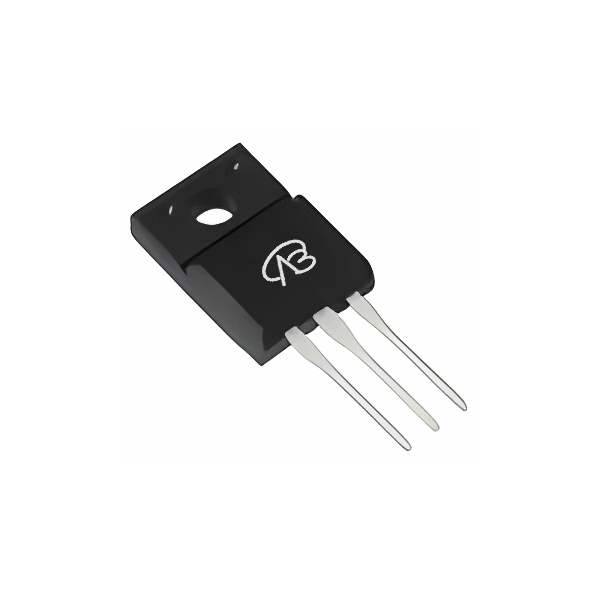
Comparative Analysis: FQPF10N60C (N-channel) vs. VBMB165R12
Analysis of the Original Model (FQPF10N60C) Core:
This is a 600V N-channel MOSFET from onsemi, in a standard TO-220-3 package. Its design core is to provide robust power handling and high-voltage switching capability in industrial and power supply applications. Key advantages include: a high drain-source voltage (Vdss) of 600V, a continuous drain current (Id) of 9.5A, and a high power dissipation (Pd) of 156W. It is designed for applications requiring reliable high-voltage blocking and moderate current conduction.
Compatibility and Differences of the Domestic Alternative (VBMB165R12):
VBsemi's VBMB165R12 is a pin-to-pin compatible alternative in a TO220F package. The main differences are in electrical parameters: VBMB165R12 offers a higher voltage rating (650V vs. 600V) and a higher continuous current (12A vs. 9.5A). However, its on-resistance is higher (680mΩ @10V vs. typically lower for the original, though not specified in provided data). This represents a trade-off: higher voltage/current capability versus potentially higher conduction loss.
Key Application Areas:
Original Model FQPF10N60C: Ideal for high-voltage, medium-current switching applications such as:
Switch Mode Power Supplies (SMPS): PFC stages, flyback converters.
Industrial Motor Drives: Inverters for low to medium power motors.
Lighting: Ballasts and LED driver circuits.
Alternative Model VBMB165R12: More suitable for applications requiring a higher voltage margin (650V) and slightly higher current capacity (12A), where a moderate increase in on-resistance is acceptable, such as in ruggedized or higher-specification power supplies.
Comparative Analysis: NTK3134NT5G (N-channel) vs. VBHA1230N
This comparison shifts focus to low-voltage, small-signal switching where miniaturization and efficiency in control circuits are paramount.
Analysis of the Original Model (NTK3134NT5G) Core:
This is a 20V N-channel MOSFET from onsemi in an ultra-small SOT-723 package. Its design pursues space-saving and efficient low-power signal switching with integrated ESD protection. Core advantages include: a compact footprint, a drain current of 750mA, and an on-resistance of 350mΩ @4.5V. It is engineered for precision control in space-constrained portable electronics.
Compatibility and Differences of the Domestic Alternative (VBHA1230N):
VBsemi's VBHA1230N is a direct SOT-723-3 package compatible alternative. It shows a performance-oriented enhancement in key parameters: a significantly lower on-resistance (337.5mΩ @4.5V and 270mΩ @10V vs. 350mΩ @4.5V for the original). However, its rated continuous current is slightly lower (0.65A vs. 750mA). This indicates a focus on minimizing conduction loss for signal-level switching.
Key Application Areas:
Original Model NTK3134NT5G: Perfect for miniaturized, low-power signal switching applications, such as:
Load Switching in Portable/IoT Devices: Power management for sensors, memory, or peripherals.
Battery Management Systems (BMS): Protection circuits and cell balancing switches.
Consumer Electronics: Signal routing, level shifting, and interface control.
Alternative Model VBHA1230N: Better suited for applications where minimizing on-state voltage drop and power loss is critical, and where the current requirement is within 0.65A, such as in high-efficiency, low-noise signal paths or precision analog switches.
Conclusion:
This analysis reveals two distinct selection paradigms:
1. For high-voltage power switching, the original FQPF10N60C offers a proven 600V/9.5A solution for industrial power stages. Its domestic alternative VBMB165R12 provides a viable, pin-compatible option with upgraded voltage (650V) and current (12A) ratings, suitable for designs requiring extra margin or facing supply chain constraints, albeit with attention to its higher RDS(on).
2. For miniature signal switching, the original NTK3134NT5G excels in ultra-compact, ESD-protected control circuits. The domestic alternative VBHA1230N offers a compelling "performance-enhanced" choice with notably lower on-resistance, favoring designs where efficiency in the signal path is paramount and current needs are below 750mA.
The core takeaway is that selection hinges on precise requirement matching. Domestic alternatives like VBMB165R12 and VBHA1230N not only provide supply chain resilience but also offer specific parameter advantages—be it higher voltage/current ratings or lower conduction losses—granting engineers greater flexibility in design optimization and cost-performance trade-offs. Understanding each device's design intent and parameter implications is key to unlocking its full potential in your circuit.

Download PDF document
 Download now


