 中文
中文 English
MOSFET Selection for Power and Compact Applications: FQP46N15, NTTFS5116PLTWG vs. China Alternatives VBM1154N, VBQF2658
Number of views:9999
 Back to previous page
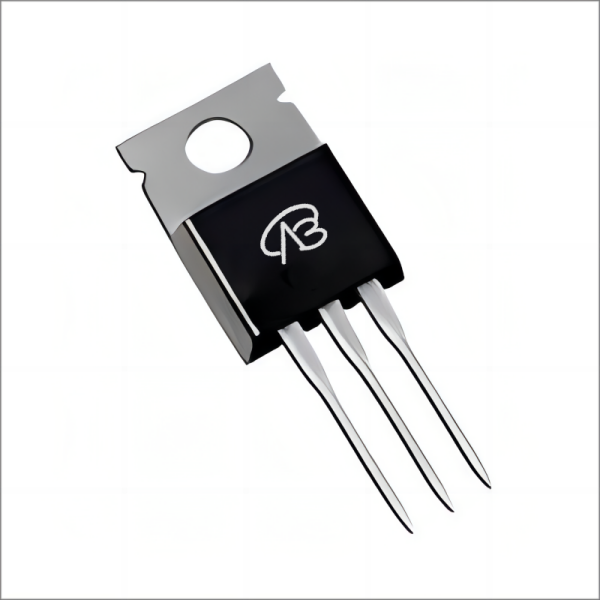
Comparative Analysis: FQP46N15 (N-channel) vs. VBM1154N
Analysis of the Original Model (FQP46N15) Core:
This is a 150V N-channel MOSFET from onsemi, packaged in a standard TO-220. Its design core is to provide robust power handling and high reliability using planar stripe and DMOS technology. Key advantages include: a continuous drain current of 45.6A, an on-resistance of 42mΩ at 10V gate drive, and a high power dissipation capability of 210W. It offers excellent switching performance and high avalanche energy strength.
Compatibility and Differences of the Domestic Alternative (VBM1154N):
VBsemi's VBM1154N is a direct pin-to-pin compatible alternative in a TO-220 package. The main differences are in electrical parameters: VBM1154N features a lower on-resistance of 30mΩ at 10V and a higher continuous current rating of 50A, while maintaining the same 150V voltage rating. This represents a significant performance enhancement in conduction losses and current handling.
Key Application Areas:
Original Model FQP46N15: Ideal for high-power, high-reliability applications requiring good switching performance and avalanche robustness. Typical uses include:
Switching Mode Power Supplies (SMPS)
Audio Amplifiers
DC Motor Control
Variable Switching Power Supplies
Alternative Model VBM1154N: Better suited for upgrade scenarios demanding lower conduction loss and higher current capacity within the same voltage class, such as enhanced SMPS designs or motor drives requiring higher efficiency.
Comparative Analysis: NTTFS5116PLTWG (P-channel) vs. VBQF2658
Analysis of the Original Model (NTTFS5116PLTWG) Core:
This is a 60V P-channel MOSFET from onsemi in a compact WDFN-8 (3.3x3.3) package. Its design pursues a balance of low on-resistance and fast switching in a small footprint. Key features include a continuous drain current of 20A and an on-resistance of 52mΩ at 10V gate drive (tested at 6A). It is designed for efficient power management in space-limited applications.
Compatibility and Differences of the Domestic Alternative (VBQF2658):
VBsemi's VBQF2658 is a pin-to-pin compatible alternative in a DFN8(3x3) package. The main parameter differences are: VBQF2658 has a slightly lower continuous current rating of -11A and a higher on-resistance of 60mΩ at 10V (or 75mΩ at 4.5V). Its voltage rating is the same at -60V.
Key Application Areas:
Original Model NTTFS5116PLTWG: Excellent for compact applications requiring good P-channel switching performance. Typical uses include:
Load Switches
DC Motor Control in portable devices
Alternative Model VBQF2658: Serves as a viable alternative for applications where the original's current and RDS(on) specifications are sufficient, offering a domestic supply chain option for space-constrained P-channel designs like load switches.
Summary
This analysis reveals two distinct selection paths:
For high-power N-channel applications, the original FQP46N15 offers a reliable, industry-proven solution with good switching robustness. Its domestic alternative VBM1154N provides a performance-enhanced option with lower RDS(on) and higher current capability, suitable for efficiency upgrades.
For compact P-channel applications, the original NTTFS5116PLTWG balances size and performance well. The domestic alternative VBQF2658 offers a compatible form factor and adequate electrical characteristics for cost-sensitive or supply-chain-diversified designs.
The core conclusion is that selection hinges on precise requirement matching. Domestic alternatives not only provide viable backups but also offer performance enhancements or cost benefits, giving engineers greater flexibility in design trade-offs.

Download PDF document
 Download now


