 中文
中文 English
MOSFET Selection for Power Management: FDS9435A, FDMA410NZT vs. China Alternatives VBA2333, VBQG7322
Number of views:9999
 Back to previous page
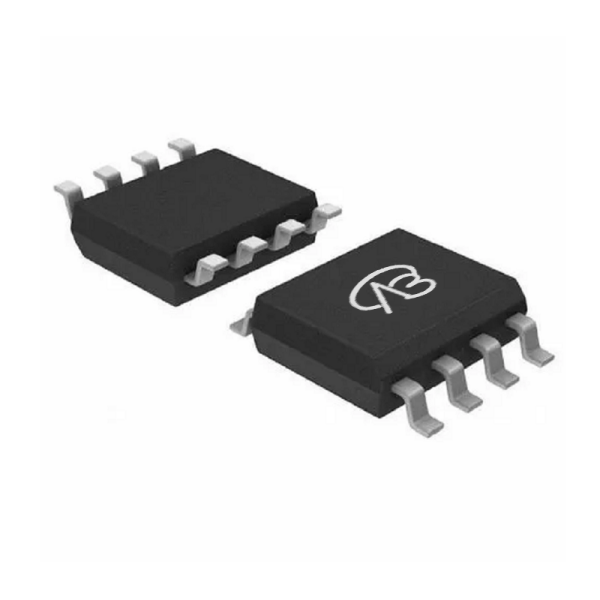
Comparative Analysis: FDS9435A (P-channel) vs. VBA2333
Analysis of the Original Model (FDS9435A) Core:
This is a 30V P-channel MOSFET from onsemi, packaged in SO-8. It is built with advanced PowerTrench technology and optimized for power management applications requiring a wide gate drive voltage range (4.5V–25V). Key advantages include a continuous drain current of 5.3A and an on-resistance of 50mΩ at 10V drive, offering robust performance in a standard package.
Compatibility and Differences of the Domestic Alternative (VBA2333):
VBsemi’s VBA2333 is a pin-to-pin compatible alternative in SOP8 package. The main differences are in electrical parameters: VBA2333 has a similar voltage rating (-30V) but a slightly higher on-resistance of 33mΩ at 10V and a lower continuous current of -5.8A compared to the original.
Key Application Areas:
- Original Model FDS9435A: Ideal for power management applications requiring wide gate drive tolerance and moderate current handling, such as load switching, DC-DC conversion, and battery protection in 12V–24V systems.
- Alternative Model VBA2333: Suitable for applications where package compatibility and cost are priorities, and current demands are within 5.8A, such as low-to-medium power switches or replacement in existing SO-8 designs.
Comparative Analysis: FDMA410NZT (N-channel) vs. VBQG7322
Analysis of the Original Model (FDMA410NZT) Core:
This is a 20V N-channel MOSFET from onsemi, using an ultra-compact UDFN-6 (2x2) package with a maximum height of 0.55mm. It leverages advanced Power Trench technology to achieve low on-resistance of 23mΩ at 4.5V drive and a continuous current of 9.5A, making it excellent for space-constrained, high-efficiency applications.
Compatibility and Differences of the Domestic Alternative (VBQG7322):
VBsemi’s VBQG7322 is a direct pin-to-pin alternative in DFN6(2x2) package. It offers a higher voltage rating (30V) but a lower continuous current of 6A and comparable on-resistance of 27mΩ at 4.5V (23mΩ at 10V).
Key Application Areas:
- Original Model FDMA410NZT: Perfect for compact designs requiring high current density and fast switching, such as load switches in portable devices, power path management in battery-powered systems, and synchronous rectification in miniaturized DC-DC converters.
- Alternative Model VBQG7322: A viable option for applications needing higher voltage margin (up to 30V) with moderate current requirements (up to 6A), such as power management in IoT devices or compact motor drives.
Conclusion:
This comparison highlights two distinct selection paths:
- For P-channel applications requiring wide gate drive range and standard packaging, the original FDS9435A offers proven performance with 5.3A current and 50mΩ on-resistance. Its domestic alternative VBA2333 provides a compatible, cost-effective solution for designs with slightly lower current needs.
- For N-channel applications in ultra-compact spaces, the original FDMA410NZT excels with 9.5A current and 23mΩ on-resistance in a tiny 2x2 package. The domestic alternative VBQG7322 offers higher voltage tolerance and similar on-resistance, suitable for scenarios prioritizing voltage margin over current capacity.
The core takeaway is that selection depends on precise requirement matching. Domestic alternatives like VBA2333 and VBQG7322 not only supply chain resilience but also offer competitive performance in specific parameters, giving engineers flexible options for design trade-offs and cost optimization. Understanding each device’s design intent and parameter implications is key to maximizing its value in your circuit.

Download PDF document
 Download now


