 中文
中文 English
MOSFET Selection for Power Switching Solutions: FDPF3860T, FDC6420C vs. China Alternatives VBMB1104N, VB5222
Number of views:9999
 Back to previous page
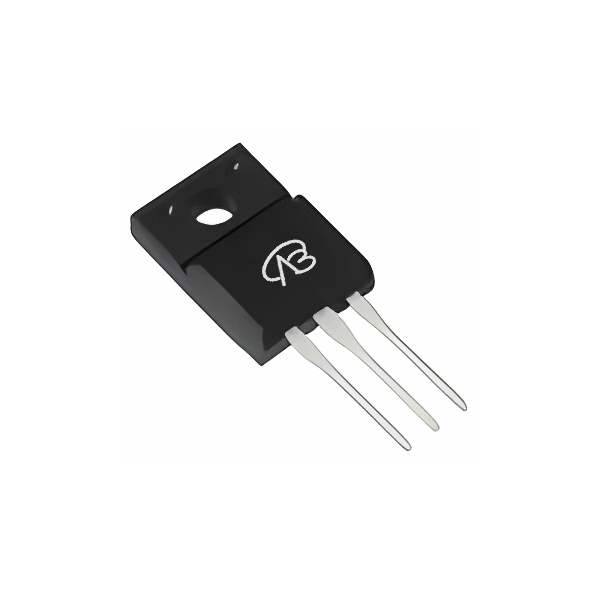
Comparative Analysis: FDPF3860T (N-channel) vs. VBMB1104N
Analysis of the Original Model (FDPF3860T) Core:
This is a 100V N-channel MOSFET from onsemi, in a TO-220F package. It utilizes PowerTrench technology to minimize on-resistance while maintaining excellent switching performance. Key advantages: a low on-resistance of 38.2mΩ at 10V gate drive and a continuous drain current of 20A.
Compatibility and Differences of the Domestic Alternative (VBMB1104N):
VBsemi's VBMB1104N is a direct pin-to-pin compatible alternative in the same TO220F package. It offers enhanced electrical parameters: the same 100V voltage rating, but a significantly higher continuous current of 50A and a lower on-resistance of 34mΩ (@10V).
Key Application Areas:
Original Model FDPF3860T: Ideal for medium-power applications requiring a balance of voltage rating, current handling, and switching performance. Typical uses include:
Switching power supplies (e.g., AC-DC converters, PFC stages).
Motor drives and inverters.
General-purpose power switching in industrial controls.
Alternative Model VBMB1104N: Suited for upgraded scenarios demanding higher current capability and lower conduction loss. It's an excellent choice for:
Higher-current DC-DC converters.
More demanding motor drives or solenoid controls.
Applications where efficiency and thermal performance are critical.
Comparative Analysis: FDC6420C (Dual N+P-channel) vs. VB5222
Analysis of the Original Model (FDC6420C) Core:
This onsemi component is a Dual N and P-channel MOSFET in a compact SuperSOT-6 package. It also uses PowerTrench technology for low on-resistance and good switching performance. Its core advantage is providing complementary switching in a minimal footprint (20V Vdss, 3A Id, 190mΩ @2.5V for N-channel), making it a cost-effective alternative to larger SO-8/TSSOP-8 packages.
Compatibility and Differences of the Domestic Alternative (VB5222):
VBsemi's VB5222 is a compatible Dual N+P channel MOSFET in an SOT23-6 package. It offers superior performance: higher voltage ratings (±20V for both), significantly lower on-resistance (e.g., 22mΩ @10V for N-channel, 55mΩ @10V for P-channel), and higher continuous current (5.5A for N-channel, 3.4A for P-channel).
Key Application Areas:
Original Model FDC6420C: Perfect for space-constrained, low-voltage applications requiring complementary pair switching with good power dissipation. Typical uses include:
Load switches and power management in portable devices.
Battery protection circuits.
Signal switching and level translation.
Alternative Model VB5222: An enhanced drop-in replacement for applications requiring better efficiency, higher current, or a wider voltage margin. Ideal for:
Upgraded power path management in consumer electronics.
More efficient synchronous switching in compact DC-DC circuits.
Applications where lower RDS(on) directly translates to better thermal performance.
Conclusion:
This analysis reveals two distinct upgrade paths with domestic alternatives:
For the FDPF3860T (TO-220F N-channel), the domestic alternative VBMB1104N provides a direct upgrade with higher current (50A vs. 20A) and lower on-resistance (34mΩ vs. 38.2mΩ), making it a superior choice for applications needing improved efficiency and power handling.
For the FDC6420C (SuperSOT-6 Dual N+P), the domestic alternative VB5222 (SOT23-6) offers a significant performance enhancement across key parameters: higher voltage rating, much lower on-resistance, and higher current capability for both channels, enabling more robust and efficient designs in the same compact footprint.
The core takeaway is precise requirement matching. These domestic alternatives not only provide reliable, pin-compatible backups but also offer performance advantages, giving engineers greater flexibility in design optimization and cost control. Understanding each device's design philosophy is key to unlocking its full potential in your circuit.

Download PDF document
 Download now


