 中文
中文 English
MOSFET Selection for High-Voltage and Compact Power Applications: FDPF20N50T, NVTFWS014P04M8LTAG vs. China Alternatives VBMB15R18S, VBQF2412
Number of views:9999
 Back to previous page
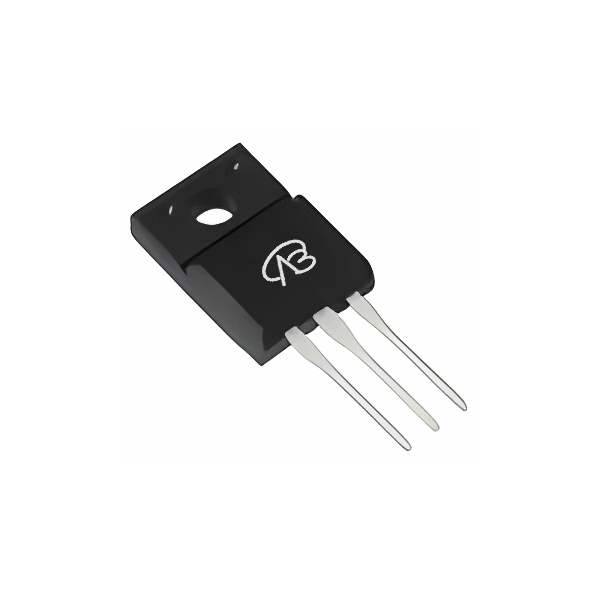
Comparative Analysis: FDPF20N50T (N-channel) vs. VBMB15R18S
Analysis of the Original Model (FDPF20N50T) Core:
This is a 500V N-channel UniFET™ MOSFET from onsemi in a TO-220F package. Its design core is to deliver robust high-voltage switching with enhanced avalanche energy capability. Key advantages include: a drain current of 20A, an on-resistance of 230mΩ @ 10V gate drive, and optimization for low conduction loss and improved switching performance. It is engineered for reliability in high-stress switching applications.
Compatibility and Differences of the Domestic Alternative (VBMB15R18S):
VBsemi’s VBMB15R18S is a pin-to-pin compatible alternative in the same TO-220F package. The key differences are in electrical parameters: VBMB15R18S offers a lower on-resistance of 210mΩ @ 10V and a slightly reduced continuous current rating of 18A compared to the original’s 20A, while maintaining the same 500V voltage rating. It utilizes a Multi-EPI SJ (Super Junction) structure for efficiency.
Key Application Areas:
Original Model FDPF20N50T: Ideal for high-voltage, medium-power switching converters where ruggedness and avalanche capability are critical. Typical applications include:
Power Factor Correction (PFC) stages.
Switching power supplies for displays (FPD TV) and ATX systems.
Electronic lighting ballasts.
Alternative Model VBMB15R18S: Suited as a performance-efficient drop-in replacement in the same high-voltage applications, particularly where lower conduction loss (via reduced RDS(on)) is beneficial, even with a marginally lower current rating.
Comparative Analysis: NVTFWS014P04M8LTAG (P-channel) vs. VBQF2412
This comparison shifts focus to compact, high-current P-channel MOSFETs for space-constrained, low-voltage applications.
Analysis of the Original Model (NVTFWS014P04M8LTAG) Core:
This is a 40V P-channel MOSFET from onsemi in a miniature WDFN-8 (3.3x3.3mm) package. Its design pursues minimal size with maximum power handling. Core advantages are: an extremely high continuous drain current of 49A, a low on-resistance of 18.7mΩ @ 4.5V gate drive, low gate capacitance for fast switching, and AEC-Q101 qualification for automotive use.
Compatibility and Differences of the Domestic Alternative (VBQF2412):
VBsemi’s VBQF2412, in a similar DFN8(3x3) package, is a compelling alternative. It demonstrates significant performance enhancement in key specs: a higher continuous current rating of -45A and a substantially lower on-resistance of 13mΩ @ 4.5V (12mΩ @ 10V). It maintains a -40V voltage rating and uses Trench technology for low loss.
Key Application Areas:
Original Model NVTFWS014P04M8LTAG: Excellent for space-constrained, high-current load switching and power management where automotive-grade reliability may be needed. Applications include:
High-side load switches in compact 12V/24V systems.
Battery management and power path control in portable devices.
Motor drives and DC-DC converters requiring a P-channel switch in a tiny footprint.
Alternative Model VBQF2412: An upgraded choice for applications demanding even lower conduction loss and higher current capacity. It is optimal for next-generation designs prioritizing power density and efficiency, such as high-current point-of-load converters or motor drives.
Summary
This analysis reveals two distinct selection paradigms:
For high-voltage (500V) switching in applications like PFC and power supplies, the original FDPF20N50T offers a proven, rugged 20A solution. Its domestic alternative VBMB15R18S provides a compatible, efficiency-optimized option with lower RDS(on) (210mΩ vs. 230mΩ), making it a strong candidate for reducing conduction losses in similar circuits.
For compact, high-current P-channel switching in low-voltage systems, the original NVTFWS014P04M8LTAG sets a high bar with its 49A current and small WDFN package. The domestic alternative VBQF2412 emerges as a performance leader, surpassing the original with higher current (-45A) and significantly lower on-resistance (13mΩ vs. 18.7mΩ), enabling cooler operation and higher efficiency in demanding compact designs.
Core Conclusion: Selection is not about absolute superiority but precise requirement matching. In the context of supply chain diversification, domestic alternatives like VBMB15R18S and VBQF2412 provide not just reliable backups but also opportunities for parameter-specific enhancement—offering engineers greater flexibility in design trade-offs, cost control, and performance optimization. Understanding each device's design philosophy and parameter implications is key to unlocking its full potential in your circuit.

Download PDF document
 Download now


