 中文
中文 English
MOSFET Selection for High-Power and Automotive Applications: FDPF190N15A, NVMFS5C430NAFT1G vs. China Alternatives VBMB1152N, VBQA1401
Number of views:9999
 Back to previous page
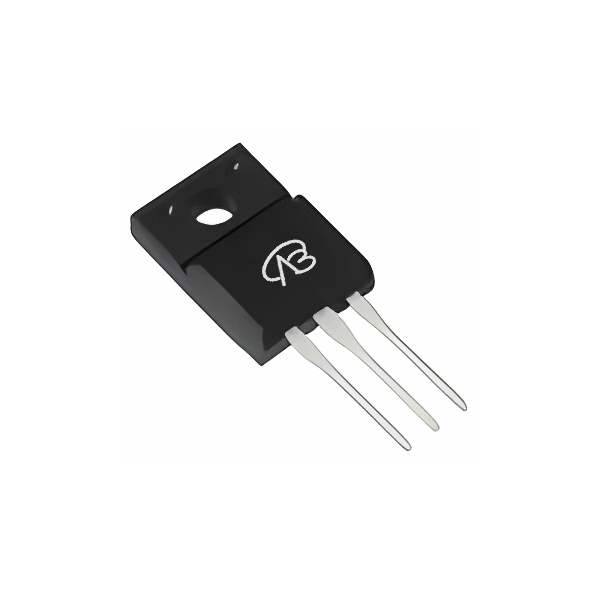
Comparative Analysis: FDPF190N15A (N-channel) vs. VBMB1152N
Analysis of the Original Model (FDPF190N15A) Core:
This is a 150V N-channel MOSFET from onsemi, in a TO-220F package. Its design core leverages advanced PowerTrench technology to minimize on-resistance while maintaining excellent switching performance. Key advantages are: a low on-resistance of 14.7mΩ at 10V gate drive, and a continuous drain current rating of 27.4A. This makes it suitable for high-voltage applications requiring efficient power handling.
Compatibility and Differences of the Domestic Alternative (VBMB1152N):
VBsemi's VBMB1152N is a direct pin-to-pin compatible alternative in the same TO-220F package. The main differences are in electrical parameters: VBMB1152N offers a higher continuous current rating of 50A but has a slightly higher on-resistance of 17mΩ (@10V) compared to the original. Both share the same 150V drain-source voltage rating.
Key Application Areas:
Original Model FDPF190N15A: Ideal for high-voltage, medium-current applications such as:
Switch-mode power supplies (SMPS) and PFC circuits.
Motor drives and inverters.
Industrial power controls.
Alternative Model VBMB1152N: Suits applications requiring higher continuous current (up to 50A) with a slight trade-off in conduction loss, beneficial for designs needing increased current margin in similar high-voltage circuits.
Comparative Analysis: NVMFS5C430NAFT1G (N-channel) vs. VBQA1401
This comparison focuses on automotive-grade, high-current density MOSFETs for compact and efficient designs.
Analysis of the Original Model (NVMFS5C430NAFT1G) Core:
This is an AEC-Q101 qualified 40V N-channel MOSFET from onsemi, in a thermally enhanced SO-8FL (5x6mm) package. Its design core targets automotive applications requiring high efficiency and reliability in minimal space. Key advantages are: an extremely low on-resistance of 1.7mΩ at 10V, an exceptionally high continuous current of 185A, and features like wettable flanks for optical inspection.
Compatibility and Differences of the Domestic Alternative (VBQA1401):
VBsemi's VBQA1401 offers a compelling alternative in a DFN8(5x6) package. It provides superior on-resistance performance: 0.8mΩ at 10V and 1.2mΩ at 4.5V, alongside a high continuous current rating of 100A. While the current rating is lower than the original, its significantly lower RDS(on) promises reduced conduction losses.
Key Application Areas:
Original Model NVMFS5C430NAFT1G: Tailored for demanding automotive and compact high-power applications:
Automotive motor drives (e.g., pumps, fans), battery management systems (BMS).
High-current DC-DC converters in vehicles and servers.
Space-constrained applications requiring AEC-Q101 certification.
Alternative Model VBQA1401: Excellent for applications prioritizing ultra-low conduction loss and high efficiency in a small footprint, such as:
High-frequency, high-current synchronous rectification in DC-DC converters.
Power switches in computing and telecom infrastructure.
Designs where thermal performance and minimal voltage drop are critical.
Summary
This analysis reveals two distinct selection pathways:
For high-voltage (150V) applications, the original FDPF190N15A offers a proven balance of low RDS(on) and current capability. Its domestic alternative VBMB1152N provides a viable compatible option with higher current handling, suitable for designs needing that specific upgrade.
For automotive-grade, high-current-density 40V applications, the original NVMFS5C430NAFT1G sets a high bar with its certified reliability and extreme current rating. The domestic alternative VBQA1401 counters with significantly lower on-resistance, making it a strong candidate for efficiency-critical designs where ultimate current rating is secondary.
The core conclusion is that selection hinges on precise requirement matching. Domestic alternatives like VBMB1152N and VBQA1401 not only provide supply chain resilience but also offer competitive or enhanced parameters in key areas, giving engineers greater flexibility in design trade-offs and cost optimization. Understanding each device's design philosophy and parameter implications is essential to leverage its full value in the circuit.

Download PDF document
 Download now


