 中文
中文 English
MOSFET Selection for High-Power and Space-Constrained Designs: PSMN2R8-80BS,118, PMN30UNX vs. China Alternatives VBL1803, VB7322
Number of views:9999
 Back to previous page
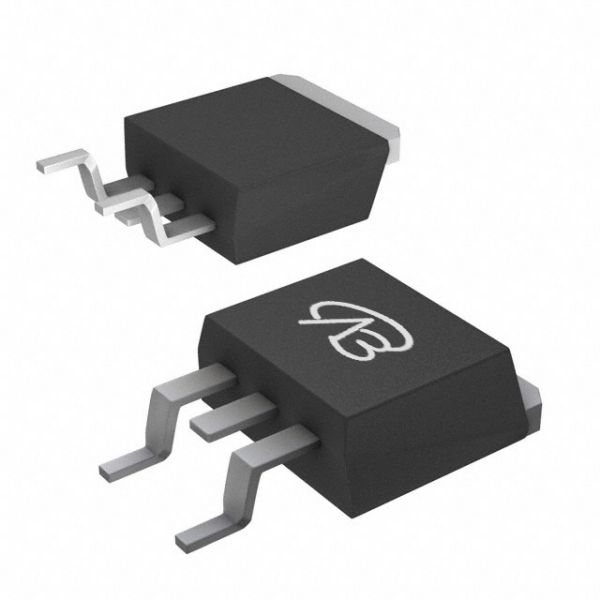
Comparative Analysis: PSMN2R8-80BS,118 (N-channel) vs. VBL1803
Analysis of the Original Model (PSMN2R8-80BS,118) Core:
This is an 80V N-channel MOSFET from Nexperia in a D2PAK package. Its design core is to deliver extremely high current handling with minimal conduction loss in high-power applications. Key advantages include: a very low on-resistance of 3mΩ (at 10V, 25A), and a high continuous drain current rating of 120A. This makes it ideal for applications demanding high efficiency and robust power switching.
Compatibility and Differences of the Domestic Alternative (VBL1803):
VBsemi's VBL1803 is offered in a TO-263 package and serves as a functional alternative for high-power circuits. The key differences are in electrical parameters: VBL1803 has a comparable voltage rating (80V) and an even higher continuous current rating of 215A. However, its on-resistance is higher, at 5mΩ (at 10V), compared to the original's 3mΩ.
Key Application Areas:
Original Model PSMN2R8-80BS,118: Its ultra-low RDS(on) and high current capability make it perfect for high-power, high-efficiency systems.
High-current DC-DC converters: Synchronous rectification in server power supplies, telecom infrastructure.
Motor drives and inverters: For industrial motors, e-bikes, and power tools.
Battery management systems (BMS): High-side or discharge switches in high-power lithium battery packs.
Alternative Model VBL1803: More suitable for applications requiring an exceptionally high current margin (up to 215A) and where a slightly higher conduction loss is acceptable or mitigated by thermal design. It's a strong alternative in circuits where peak current handling is paramount.
Comparative Analysis: PMN30UNX (N-channel) vs. VB7322
This comparison shifts focus from raw power to optimized performance in minimal space.
Analysis of the Original Model (PMN30UNX) Core:
This is a 30V N-channel MOSFET from Nexperia in a compact SOT-457 (SC-74) package. Its design pursues a balance of adequate current handling, low on-resistance, and minimal footprint for space-constrained applications. Key advantages: a continuous drain current of 5.7A, an on-resistance of 40mΩ (at 4.5V), and a very small SMD package ideal for high-density PCB designs.
Compatibility and Differences of the Domestic Alternative (VB7322):
VBsemi's VB7322 comes in an SOT-23-6 package and is a pin-to-pin compatible alternative for space-saving designs. It shows a performance enhancement in key parameters: a similar voltage rating (30V), a slightly higher continuous current of 6A, and a significantly lower on-resistance of 27mΩ (at 4.5V).
Key Application Areas:
Original Model PMN30UNX: Its small size and balanced performance make it ideal for compact, medium-current applications.
Load switching in portable devices: Power management for subsystems in smartphones, tablets, IoT sensors.
DC-DC converter secondary-side switching: In point-of-load (POL) converters for consumer electronics.
Signal switching and driver stages.
Alternative Model VB7322: Offers a direct upgrade path for applications requiring lower conduction loss and slightly higher current in the same footprint. It is excellent for improving efficiency in existing compact designs or for new designs where lower RDS(on) is a priority.
Summary
This analysis reveals two distinct selection strategies:
1. For high-power applications where minimizing conduction loss is critical, the original PSMN2R8-80BS,118 with its 3mΩ RDS(on) and 120A rating is a top-tier choice for high-efficiency converters and motor drives. The domestic alternative VBL1803 provides a viable option with a massive 215A current rating, suitable for designs prioritizing current headroom over ultimate RDS(on) minimization.
2. For space-constrained, medium-current applications, the original PMN30UNX offers a reliable, compact solution. Its domestic alternative VB7322 presents a compelling performance-enhanced choice, delivering lower on-resistance (27mΩ vs. 40mΩ) and slightly higher current in a compatible package, enabling efficiency gains in size-sensitive designs.
Core Conclusion: Selection is not about absolute superiority but precise requirement matching. In the context of supply chain diversification, domestic alternatives like VBL1803 and VB7322 not only provide reliable backup options but also offer performance enhancements in specific areas, giving engineers greater flexibility and resilience in design trade-offs and cost control. Understanding the design philosophy and parameter implications of each device is key to maximizing its value in your circuit.

Download PDF document
 Download now


