 中文
中文 English
MOSFET Selection for High-Voltage and High-Current Applications: IPP50R380CEXKSA1, BSC037N08NS5ATMA1 vs. China Alternatives VBM15R10S and VBGQA1803
Number of views:9999
 Back to previous page
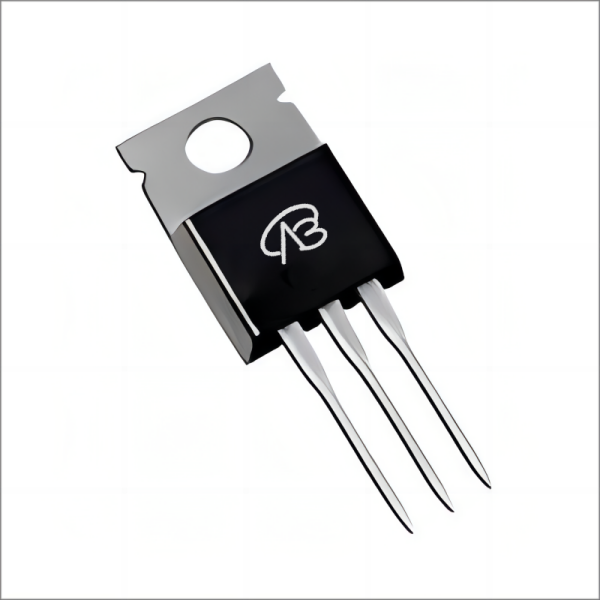
Comparative Analysis: IPP50R380CEXKSA1 (500V N-channel) vs. VBM15R10S
Analysis of the Original Model (IPP50R380CEXKSA1) Core:
This is a 500V N-channel CoolMOS™ CE series MOSFET from Infineon, utilizing a TO-220-3 package. Its design core is based on the revolutionary CoolMOS™ superjunction (SJ) technology, offering a cost-attractive alternative to standard MOSFETs in target applications. The key advantages are: a high voltage rating of 500V, a continuous drain current of 14.1A, and an on-resistance (RDS(on)) of 380mΩ at a 13V gate drive. It combines the benefits of fast-switching SJ MOSFETs with ease of use, enabling highly efficient, compact, and cool-running switching applications due to extremely low switching and conduction losses.
Compatibility and Differences of the Domestic Alternative (VBM15R10S):
VBsemi's VBM15R10S is a direct pin-to-pin compatible alternative in a TO-220 package. It matches the original model's key specifications: a 500V drain-source voltage and an identical on-resistance of 380mΩ (at 10V gate drive). The main difference lies in the continuous current rating: VBM15R10S is rated for 10A, which is lower than the original's 14.1A. It also utilizes SJ_Multi-EPI technology.
Key Application Areas:
Original Model IPP50R380CEXKSA1: Its high voltage rating and good current capability make it ideal for high-voltage, medium-power switching applications requiring efficiency and robustness.
SMPS Power Stages: Used in PFC (Power Factor Correction) circuits, flyback, or forward converters for industrial, telecom, or server power supplies.
Motor Drives: Suitable for driving motors in appliances, fans, or pumps operating from high-voltage DC buses.
Lighting: Used in high-efficiency LED driver circuits.
Alternative Model VBM15R10S: Serves as a highly compatible domestic alternative for applications where the continuous current requirement is within 10A. It is a suitable choice for cost-optimized designs or to enhance supply chain resilience in 500V switching applications like auxiliary power supplies or lower-power motor controls.
Comparative Analysis: BSC037N08NS5ATMA1 (80V N-channel) vs. VBGQA1803
This comparison shifts focus to high-current, low-voltage applications where ultra-low on-resistance is paramount for minimizing conduction losses.
Analysis of the Original Model (BSC037N08NS5ATMA1) Core:
This is an 80V N-channel MOSFET from Infineon in a TDSON-8 package, optimized for high-performance SMPS applications like synchronous rectification. Its core advantages are:
Exceptional Current Handling: A very high continuous drain current rating of 131A.
Ultra-Low On-Resistance: An RDS(on) as low as 3.7mΩ at 10V gate drive and 50A, ensuring minimal conduction loss.
Robustness: Features include 100% avalanche testing and excellent thermal resistance performance.
Compatibility and Differences of the Domestic Alternative (VBGQA1803):
VBsemi's VBGQA1803 comes in a compact DFN8(5x6) package. While not pin-to-pin compatible with the TDSON-8 due to package difference, it represents a "performance-enhanced" alternative for space-constrained, high-current designs. It matches the 80V voltage rating but offers superior parameters: a higher continuous current of 140A and a significantly lower on-resistance of 2.65mΩ (at 10V gate drive). It utilizes SGT (Shielded Gate Trench) technology for improved performance.
Key Application Areas:
Original Model BSC037N08NS5ATMA1: Its ultra-low RDS(on) and high current capability make it an ideal choice for demanding synchronous rectification and high-current switching.
Synchronous Rectification in SMPS: Particularly in high-current output stages of server, telecom, or computing power supplies (e.g., 12V/48V to point-of-load converters).
High-Current DC-DC Converters: Used in buck or boost converters for power distribution.
Motor Drives and Battery Management Systems (BMS): For driving high-power motors or as a discharge switch in BMS.
Alternative Model VBGQA1803: Is更适合对空间和效率有极致要求的升级场景。Its even lower RDS(on) and higher current rating make it suitable for next-generation, high-power-density designs where minimizing loss and thermal stress is critical, such as in ultra-compact high-current VRMs (Voltage Regulator Modules) or high-performance motor drives.
Conclusion
In summary, this analysis reveals two distinct selection pathways:
For 500V high-voltage switching applications, the original IPP50R380CEXKSA1 offers a robust balance of voltage, current (14.1A), and conduction loss (380mΩ). Its domestic alternative VBM15R10S provides a viable, parameter-matched (500V, 380mΩ) option for designs where the current demand is within 10A, aiding in cost control and supply chain diversification.
For 80V high-current, low-loss applications, the original BSC037N08NS5ATMA1 sets a high standard with its 3.7mΩ RDS(on) and 131A current capability. The domestic alternative VBGQA1803 pushes the boundaries further with enhanced performance (2.65mΩ, 140A), making it a compelling choice for engineers seeking to maximize power density and efficiency in new designs, albeit in a different package footprint.
The core takeaway is that selection is about precise requirement matching. Domestic alternatives not only provide reliable backup options but also demonstrate competitive or even superior performance in specific parameters, offering engineers greater flexibility and resilience in design trade-offs and cost management. Understanding the design philosophy and parameter implications of each device is key to unlocking its full potential in your circuit.

Download PDF document
 Download now


