 中文
中文 English
MOSFET Selection for Industrial and Automotive Power Applications: IPP17N25S3100AKSA1, IPB057N06N vs. China Alternatives VBM1254N, VBL1615
Number of views:9999
 Back to previous page
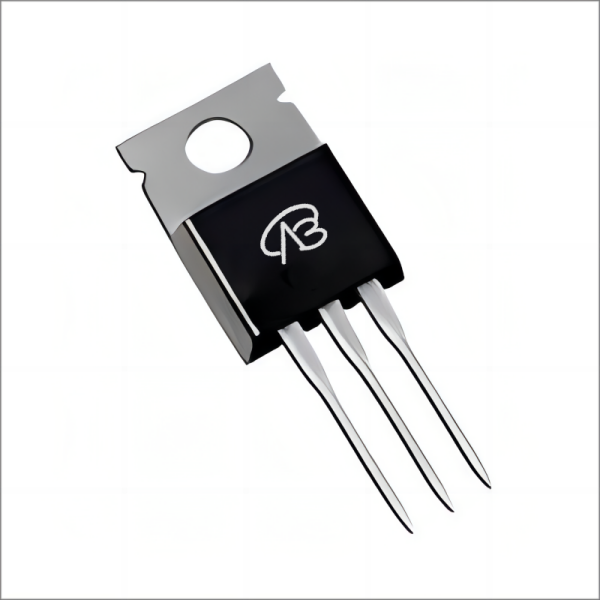
Comparative Analysis: IPP17N25S3100AKSA1 (N-channel) vs. VBM1254N
Analysis of the Original Model (IPP17N25S3100AKSA1) Core:
This is a 250V N-channel MOSFET from Infineon in a TO-220-3 package. Its design core is to provide high-voltage switching with guaranteed reliability for industrial and automotive environments. Key advantages include: a high drain-source voltage (Vdss) of 250V, a continuous drain current (Id) of 17A, and an on-resistance (RDS(on)) of 100mΩ at 10V gate drive. It features AEC qualification, 100% avalanche testing, and a wide operating temperature range up to 175°C, making it suitable for harsh applications.
Compatibility and Differences of the Domestic Alternative (VBM1254N):
VBsemi's VBM1254N is a pin-to-pin compatible alternative in the TO-220 package. The key differences are in the electrical parameters: while both are 250V N-channel devices, the VBM1254N offers significantly improved performance. It boasts a much lower on-resistance of 41mΩ (at 10V) and a substantially higher continuous current rating of 50A.
Key Application Areas:
Original Model IPP17N25S3100AKSA1: Ideal for high-voltage, medium-current applications demanding AEC-qualified reliability. Typical uses include:
Industrial SMPS (Switched-Mode Power Supplies): PFC (Power Factor Correction) stages, auxiliary power.
Automotive systems: Solenoid/valve driving, motor control in non-traction applications.
UPS and inverter circuits requiring 250V rating.
Alternative Model VBM1254N: Suited for applications requiring the same 250V rating but demanding much lower conduction losses and higher current capability. It is an excellent upgrade for designs needing higher power density and efficiency, such as in more demanding industrial power supplies or motor drives.
Comparative Analysis: IPB057N06N (N-channel) vs. VBL1615
This comparison focuses on low-voltage, high-current N-channel MOSFETs where minimizing conduction loss is paramount.
Analysis of the Original Model (IPB057N06N) Core:
This Infineon MOSFET in a TO-263-3 (D2PAK) package is designed for high-efficiency power conversion. Its core advantages are:
Excellent Conduction Performance: With an RDS(on) of just 5.7mΩ at 10V and a continuous current of 45A, it minimizes power loss in the on-state.
Optimized for 60V Systems: The 60V Vdss rating makes it perfect for 12V/24V/48V bus applications common in automotive and industrial settings.
Compatibility and Differences of the Domestic Alternative (VBL1615):
VBsemi's VBL1615 is a direct pin-to-pin compatible alternative in the TO-263 package that offers a significant performance enhancement. It maintains the 60V rating but dramatically improves key specs: a remarkably low RDS(on) of 11mΩ (at 10V) and a very high continuous current rating of 75A.
Key Application Areas:
Original Model IPB057N06N: An excellent choice for high-current switching in 60V systems where efficiency is critical. Typical applications include:
DC-DC Synchronous Rectification: Low-side switch in buck, boost, or buck-boost converters for servers, telecom, and automotive.
Motor Drives: Control for brushed DC motors, BLDC motor phases, or stepper motors.
High-Current Load Switches and OR-ing circuits.
Alternative Model VBL1615: Ideal for next-generation designs or upgrades where ultra-low conduction loss and maximum current handling are required. It is perfect for high-power DC-DC converters, high-current motor drives, and power distribution systems where thermal performance and efficiency margins are crucial.
Conclusion
In summary, this analysis reveals two distinct selection paths with compelling domestic alternatives:
For high-voltage (250V) applications, the original IPP17N25S3100AKSA1 provides reliable, AEC-qualified performance. Its domestic alternative VBM1254N offers a substantial upgrade in current capability (50A vs. 17A) and significantly lower on-resistance (41mΩ vs. 100mΩ), making it a powerful choice for designs prioritizing efficiency and power density without sacrificing voltage rating.
For low-voltage, high-current (60V) applications, the original IPB057N06N is a strong performer with excellent RDS(on). Its domestic alternative VBL1615 represents a major leap forward, offering an exceptionally high current rating of 75A and very low RDS(on), enabling higher efficiency and greater power throughput in the same footprint.
The core takeaway is that selection depends on precise requirement matching. In the context of supply chain diversification, these domestic alternatives not only provide reliable backup options but also deliver performance superiority in key parameters like on-resistance and current rating. This gives engineers greater flexibility, resilience, and potential for design optimization in their power management challenges.

Download PDF document
 Download now


