 中文
中文 English
MOSFET Selection for High-Voltage and Medium-Voltage Applications: IPB60R099P7ATMA1, IRF5305PBF vs. China Alternatives VBL165R36S, VBM2658
Number of views:9999
 Back to previous page
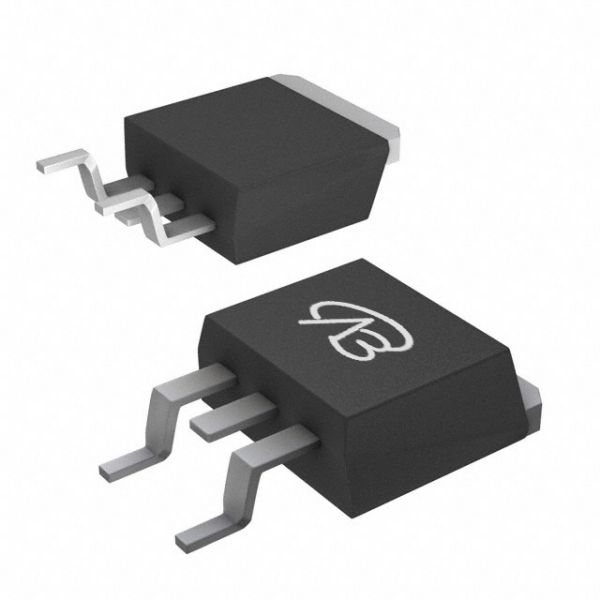
Comparative Analysis: IPB60R099P7ATMA1 (N-channel) vs. VBL165R36S
Analysis of the Original Model (IPB60R099P7ATMA1) Core:
This is a 600V N-channel MOSFET from Infineon, in a TO-263-3 package. It is built on CoolMOS 7th Generation superjunction (SJ) technology, designed for high-efficiency and high-reliability switching. Key advantages include: a low on-resistance of 99mΩ at 10V gate drive, continuous drain current of 31A, and excellent switching characteristics with low ringing, robust body diode, and strong ESD capability. It minimizes switching and conduction losses, ideal for compact and cool-running high-voltage applications.
Compatibility and Differences of the Domestic Alternative (VBL165R36S):
VBsemi’s VBL165R36S is also in a TO-263 package and offers pin-to-pin compatibility. The main differences are in electrical parameters: VBL165R36S has a higher voltage rating (650V vs. 600V) and a lower on-resistance of 75mΩ at 10V, with a continuous current of 36A. This provides better conduction performance and higher voltage margin.
Key Application Areas:
Original Model IPB60R099P7ATMA1: Ideal for high-voltage switching applications requiring reliability and efficiency, such as:
- SMPS and AC-DC converters in industrial and telecom systems.
- Power factor correction (PFC) stages.
- Motor drives and inverter circuits.
Alternative Model VBL165R36S: Suitable for applications needing higher voltage withstand (650V) and lower conduction loss, like high-performance switching power supplies, solar inverters, and electric vehicle auxiliary systems.
Comparative Analysis: IRF5305PBF (P-channel) vs. VBM2658
Analysis of the Original Model (IRF5305PBF) Core:
This is a 55V P-channel MOSFET from Infineon, in a TO-220AB package. It features a continuous drain current of -31A and an on-resistance of 60mΩ at -10V gate drive. Its design focuses on efficient power management in medium-voltage circuits, offering a balance of current handling and low conduction loss.
Compatibility and Differences of the Domestic Alternative (VBM2658):
VBsemi’s VBM2658 is a TO-220 packaged P-channel MOSFET with pin-to-pin compatibility. It outperforms the original in key parameters: higher voltage rating (-60V vs. -55V), higher continuous current (-45A vs. -31A), and lower on-resistance (48mΩ at -10V vs. 60mΩ). This makes it a performance-enhanced alternative.
Key Application Areas:
Original Model IRF5305PBF: Fits medium-voltage applications requiring compact P-channel solutions, such as:
- Load switches and power path management in 12V–48V systems.
- Battery protection and reverse polarity protection circuits.
- DC-DC converter high-side switches.
Alternative Model VBM2658: Better suited for applications demanding higher current, lower loss, and higher voltage margin, like high-current motor drives, robust power distribution, and industrial power systems.
Summary
This comparison reveals two clear selection paths:
For high-voltage N-channel applications, the original IPB60R099P7ATMA1 offers proven CoolMOS 7 technology with good efficiency and reliability. The domestic alternative VBL165R36S provides higher voltage rating (650V), lower on-resistance (75mΩ), and higher current (36A), making it a strong upgrade for performance-driven designs.
For medium-voltage P-channel applications, the original IRF5305PBF delivers solid performance for -31A, 55V scenarios. The domestic alternative VBM2658 significantly enhances performance with -45A current, -60V rating, and 48mΩ on-resistance, ideal for more demanding circuits.
Core Conclusion: Selection depends on precise requirement matching. Domestic alternatives not only offer reliable compatibility but also provide performance advantages in key parameters, giving engineers flexible and cost-effective options for design optimization and supply chain resilience. Understanding each device’s design philosophy and parameters is essential to maximize its value in your circuit.

Download PDF document
 Download now


