 中文
中文 English
MOSFET Selection for High-Performance Automotive & Compact Power: BUK962R5-60E,118, BUK6D81-80EX vs. China Alternatives VBL1602, VBQG1620
Number of views:9999
 Back to previous page
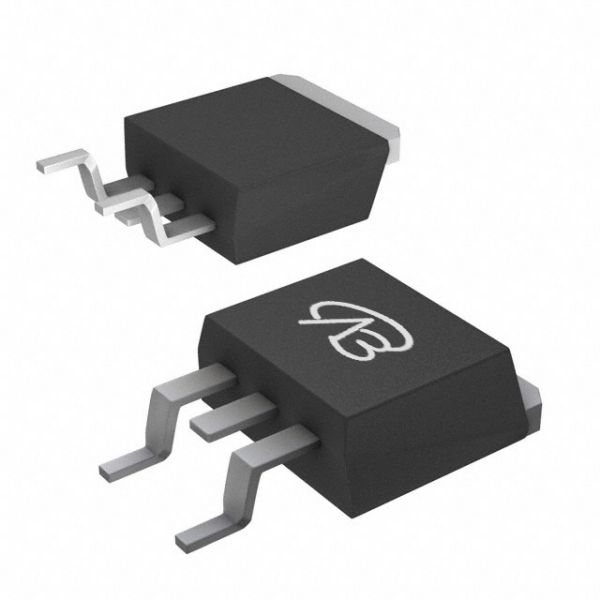
Comparative Analysis: BUK962R5-60E,118 (N-channel) vs. VBL1602
Analysis of the Original Model (BUK962R5-60E,118) Core:
This is a 60V logic-level N-channel MOSFET from Nexperia, in a robust D2PAK (SOT404) package. Its design core is to deliver exceptional current-handling capability and reliability for high-performance automotive applications. Key advantages are: an extremely high continuous drain current rating of 120A, a standard threshold voltage (Vgs(th)) of 2.1V for easy drive compatibility, and compliance with AEC-Q101 standards, ensuring quality and durability for automotive environments.
Compatibility and Performance of the Domestic Alternative (VBL1602):
VBsemi's VBL1602 is offered in a TO-263 package (similar footprint to D2PAK) and serves as a compelling performance-focused alternative. The key differences and enhancements lie in the electrical parameters: while both are 60V rated, the VBL1602 boasts a significantly lower on-resistance of just 2.5mΩ (at 10V Vgs) compared to the original's typical performance. Furthermore, its continuous current rating is dramatically higher at 270A. This combination of ultra-low RDS(on) and very high current capability makes it a potential upgrade for applications demanding minimal conduction loss and high power throughput.
Key Application Areas:
Original Model BUK962R5-60E,118: Its high current (120A) and automotive-grade ruggedness make it ideal for demanding 12V/24V automotive systems. Typical applications include:
Automotive Load Switching: High-current solenoids, motor drives, and power distribution.
DC-DC Converters: As a primary switch or synchronous rectifier in high-current buck/boost converters.
Alternative Model VBL1602: More suitable for applications requiring even higher efficiency and current capacity, such as:
Upgraded High-Current DC-DC Converters: Where lower RDS(on) directly reduces power loss and thermal stress.
High-Power Motor Drives and Inverters: For electric vehicles, industrial tools, or high-performance power supplies where 270A capability is beneficial.
Comparative Analysis: BUK6D81-80EX (N-channel) vs. VBQG1620
This N-channel MOSFET focuses on balancing a moderate power rating with a very compact footprint for space-constrained applications.
Analysis of the Original Model (BUK6D81-80EX) Core:
This 80V N-channel MOSFET from Nexperia uses a compact DFN2020MD-6 (2x2mm) package. Its design pursues a balance of voltage rating, current capability, and minimal board space. Its core advantages are: an 80V drain-source voltage offering good margin in 48V systems, a continuous current of 9.8A, and an on-resistance of 81mΩ (@10V, 3.2A), suitable for medium-power switching in a tiny form factor.
Compatibility and Differences of the Domestic Alternative (VBQG1620):
VBsemi's VBQG1620 is a direct pin-to-pin compatible alternative in a DFN6(2x2) package. The main differences are in the electrical parameters: VBQG1620 has a slightly lower voltage rating (60V vs. 80V) but offers superior performance in other key areas. It features a significantly lower on-resistance of 19mΩ (at 10V Vgs) and a higher continuous current rating of 14A compared to the original's 9.8A.
Key Application Areas:
Original Model BUK6D81-80EX: Its 80V rating and compact size make it suitable for space-limited, medium-power applications. For example:
48V System DC-DC Conversion: As a switch in non-isolated point-of-load (PoL) converters.
Compact Motor Drives: For small fans, pumps, or actuators.
Power Management in Telecom/Networking: Where board space is premium.
Alternative Model VBQG1620: Is more suitable for applications where lower voltage (60V) is acceptable, but lower conduction loss and higher current capability are prioritized. It's an excellent choice for:
Efficiency-Critical 12V/24V Load Switches: In automotive or industrial controls.
Synchronous Rectification in Compact DC-DC: For better efficiency in a small package.
Summary
This comparative analysis reveals two distinct selection paths:
For high-current, automotive-grade applications, the original model BUK962R5-60E,118, with its 120A rating and AEC-Q101 certification, demonstrates strong advantages in rugged 12V/24V automotive systems. Its domestic alternative VBL1602 provides a significant "performance-enhanced" option with its ultra-low 2.5mΩ RDS(on) and massive 270A current rating, making it ideal for upgrade scenarios demanding maximum efficiency and power density, albeit in a similar package.
For compact, medium-power applications, the original model BUK6D81-80EX offers a valuable combination of 80V rating and 9.8A capability in a minuscule 2x2mm DFN package. Its domestic alternative VBQG1620, while having a 60V rating, delivers a compelling package-compatible upgrade with lower on-resistance (19mΩ) and higher current (14A), perfect for designs where efficiency and current handling in a tiny space are critical.
The core conclusion is: Selection is about precise requirement matching. In the context of supply chain diversification, domestic alternatives like VBL1602 and VBQG1620 not only provide viable backup options but also offer performance enhancements or cost benefits in specific parameters, giving engineers greater flexibility and resilience in design trade-offs. Understanding the design intent and parameter implications of each device is key to unlocking its full value in your circuit.

Download PDF document
 Download now


