 中文
中文 English
MOSFET Selection for High-Power & High-Density Applications: BUK9615-100E,118, PSMN2R4-30MLD115 vs. China Alternatives VBL1101N, VBQF1302
Number of views:9999
 Back to previous page
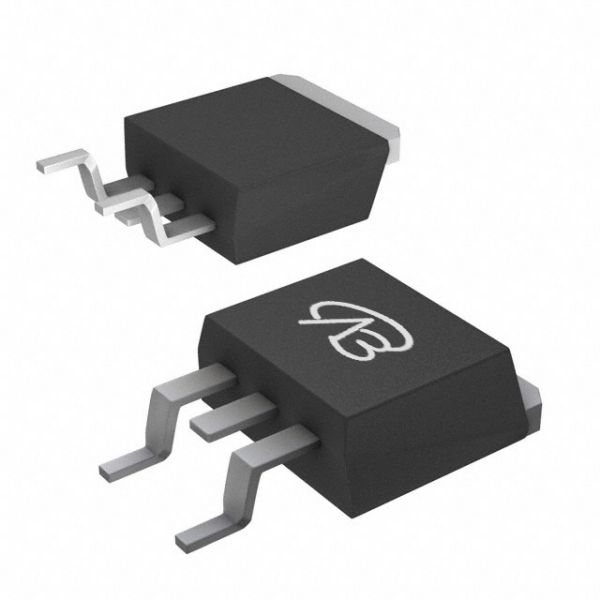
Comparative Analysis: BUK9615-100E,118 (N-channel) vs. VBL1101N
Analysis of the Original Model (BUK9615-100E,118) Core:
This is a 100V N-channel MOSFET from Nexperia in a robust D2PAK package. Its design core is to deliver high-current handling and reliable performance in demanding high-voltage applications. Key advantages include: a high continuous drain current rating of 66A and an on-resistance (RDS(on)) of 12.5mΩ at 5V gate drive. This combination makes it suitable for circuits requiring both high voltage blocking and efficient power conduction.
Compatibility and Differences of the Domestic Alternative (VBL1101N):
VBsemi's VBL1101N is offered in a TO-263 package, which is functionally similar and often compatible in many layouts. The key differences are in the electrical parameters: while both are 100V rated, the VBL1101N offers a significantly higher continuous current rating of 100A. Its on-resistance is lower at 10mΩ (at 10V Vgs) but slightly higher at 23mΩ (at 4.5V Vgs) compared to the original's 12.5mΩ at 5V.
Key Application Areas:
Original Model BUK9615-100E,118: Ideal for high-voltage, medium-to-high current applications where a balance of voltage rating and conduction loss is key. Typical uses include:
Power supplies and inverters for industrial equipment.
High-side or low-side switches in 48V-100V DC systems.
Motor drives and solenoid drivers in automotive or industrial contexts.
Alternative Model VBL1101N: Better suited for upgrade scenarios demanding even higher continuous current (up to 100A) and potentially lower conduction loss at higher gate drive voltages (10V). It's a strong candidate for next-generation high-power density designs.
Comparative Analysis: PSMN2R4-30MLD115 (N-channel) vs. VBQF1302
This comparison focuses on low-voltage, ultra-low on-resistance MOSFETs designed for maximum efficiency in high-current paths.
Analysis of the Original Model (PSMN2R4-30MLD115) Core:
This 30V N-channel MOSFET from Nexperia is engineered for minimal conduction loss. Its core advantages are:
Exceptional Conduction Performance: An ultra-low on-resistance of 2.4mΩ (typical) allows it to handle a very high continuous current of 70A with minimal power dissipation.
Optimized for Logic-Level Drive: With a threshold voltage (Vgs(th)) of 1.7V, it is well-suited for direct drive by modern microcontrollers and low-voltage logic.
Advanced Package: Its package is designed for excellent thermal performance in space-constrained, high-current applications.
Compatibility and Differences of the Domestic Alternative (VBQF1302):
VBsemi's VBQF1302 in a DFN8 (3x3) package presents itself as a highly competitive, pin-to-pin compatible alternative. It matches the original's 30V rating and 70A continuous current capability. Crucially, it claims even lower on-resistance values: 3mΩ at 4.5V and 2mΩ at 10V gate drive, potentially offering superior conduction performance.
Key Application Areas:
Original Model PSMN2R4-30MLD115: The benchmark for high-efficiency, high-current switching in low-voltage systems (e.g., 12V/24V). Typical applications include:
Synchronous rectification in high-current DC-DC converters (VRMs, point-of-load converters).
Motor drive and control in robotics, drones, and automotive systems.
High-current load switches and power distribution.
Alternative Model VBQF1302: An excellent "drop-in" performance alternative. Its potentially lower RDS(on) makes it ideal for designs seeking to push efficiency further, reduce thermal stress, or upgrade existing platforms using the original part.
Conclusion
In summary, this analysis reveals two distinct upgrade paths using domestic alternatives:
For high-voltage (100V) applications, the original BUK9615-100E,118 provides a solid balance of voltage and current. Its domestic alternative, VBL1101N, offers a significant upgrade in current handling (100A vs. 66A) and competitive on-resistance, making it a powerful choice for next-generation high-power designs.
For low-voltage, ultra-high-current (30V/70A) applications, the original PSMN2R4-30MLD115 sets a high standard for low loss. Its domestic alternative, VBQF1302, not only matches its key specifications but promises even lower on-resistance, positioning it as a superior choice for maximizing efficiency and power density in demanding circuits.
The core takeaway is that selection is about precise requirement matching. In the context of supply chain diversification, domestic alternatives like VBL1101N and VBQF1302 provide not just reliable backups but also opportunities for performance enhancement, offering engineers greater flexibility and resilience in design trade-offs and cost optimization. Understanding the design philosophy and parameter implications of each device is key to unlocking its full potential in your circuit.

Download PDF document
 Download now


