 中文
中文 English
MOSFET Selection for Compact Power Applications: ZXMN3B01FTA, DMN601WK-7 vs. China Alternatives VB1330, VBK162K
Number of views:9999
 Back to previous page
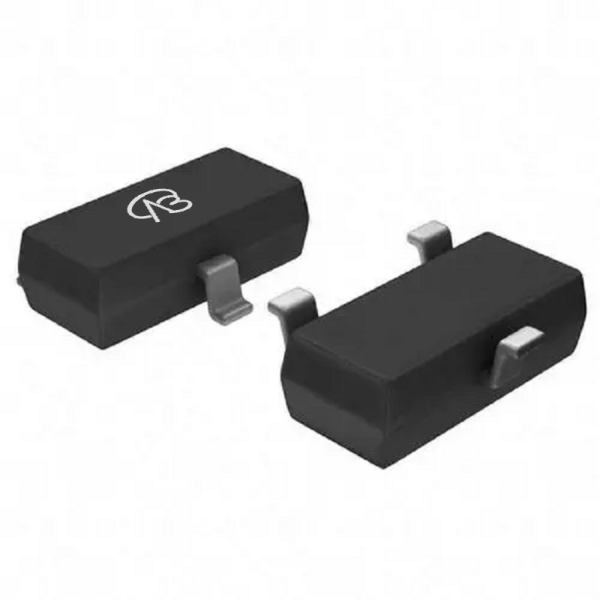
Comparative Analysis: ZXMN3B01FTA (N-channel) vs. VB1330
Analysis of the Original Model (ZXMN3B01FTA) Core:
This is a 30V N-channel MOSFET from DIODES in a compact SOT-23 package. Its design core leverages a unique trench structure to combine low on-resistance with fast switching speed, targeting efficient, low-voltage power management. A key advantage is its continuous drain current rating of 2A.
Compatibility and Differences of the Domestic Alternative (VB1330):
VBsemi's VB1330 is a pin-to-pin compatible alternative in an SOT23-3 package. The main differences are significant performance enhancements: VB1330 features a much lower on-resistance of 33mΩ @4.5V (vs. 150mΩ for the original) and supports a substantially higher continuous drain current of 6.5A (vs. 2A).
Key Application Areas:
Original Model ZXMN3B01FTA: Ideal for space-constrained, low to moderate current switching applications up to 2A in 12V/24V systems, such as signal switching, load control for peripherals, or low-power DC-DC conversion.
Alternative Model VB1330: Suited for upgraded scenarios demanding much lower conduction loss and higher current capability (up to 6.5A) within the same footprint. Excellent for compact power switches, battery protection circuits, or as a high-performance upgrade in existing designs.
Comparative Analysis: DMN601WK-7 (N-channel) vs. VBK162K
This comparison focuses on ultra-compact, high-voltage, low-current switching solutions.
Analysis of the Original Model (DMN601WK-7) Core:
This is a 60V, 300mA N-channel MOSFET from DIODES in a miniature SOT-323 package. Its design pursues a balance of high voltage tolerance and minimal space usage for signal-level isolation or switching.
Compatibility and Differences of the Domestic Alternative (VBK162K):
VBsemi's VBK162K is a direct alternative in an SC70-3 package, offering the same 60V rating and 0.3A current. Its key parameters are comparable, designed for direct replacement in high-voltage, micro-power switching applications.
Key Application Areas:
Original Model DMN601WK-7: Perfect for applications requiring high-voltage blocking in a tiny package with very low current, such as signal line isolation, level shifting, or switching in communication interfaces and sensor modules within 60V systems.
Alternative Model VBK162K: Serves as a reliable domestic alternative for the same niche applications—high-voltage, low-current switching where board space is critically limited, offering supply chain diversification.
Conclusion
This analysis reveals two distinct selection paths:
For low-voltage, higher-current switching in compact packages, the domestic alternative VB1330 offers a dramatic performance upgrade over the ZXMN3B01FTA, with significantly lower RDS(on) and higher current rating, making it an excellent choice for efficiency-focused upgrades.
For high-voltage, low-current signal switching in ultra-miniature packages, the DMN601WK-7 and its domestic counterpart VBK162K are closely matched, providing essential functionality for space-constrained, high-voltage applications.
The core conclusion is that selection hinges on precise requirement matching. In the context of supply chain diversification, domestic alternatives like VB1330 and VBK162K not only provide viable backup options but can also offer superior performance in key areas, giving engineers more flexible and resilient choices for design trade-offs and cost control. Understanding each device's design philosophy and parameter implications is key to maximizing its value in your circuit.

Download PDF document
 Download now


