 中文
中文 English
MOSFET Selection for Compact Power Applications: ZXM61P02FTA, DMTH6004LPSQ-13 vs. China Alternatives VB2290, VBQA1603
Number of views:9999
 Back to previous page
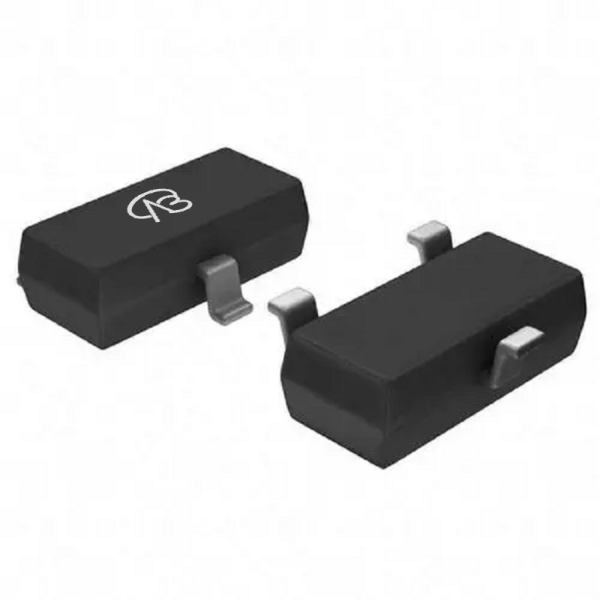
Comparative Analysis: ZXM61P02FTA (P-channel) vs. VB2290
Analysis of the Original Model (ZXM61P02FTA) Core:
This is a 20V P-channel MOSFET from DIODES, using a compact SOT-23 package. Its design core is to combine low on-resistance and fast switching speed in a small form factor for efficient power management. The key parameters are a continuous drain current of 900mA and an on-resistance of 900mΩ at 2.7V gate drive.
Compatibility and Differences of the Domestic Alternative (VB2290):
VBsemi's VB2290 is a pin-to-pin compatible alternative in a SOT23-3 package. The main differences are significant performance enhancements: VB2290 offers a much lower on-resistance (e.g., 65mΩ @4.5V) and a higher continuous current rating of -4A compared to the original model.
Key Application Areas:
Original Model ZXM61P02FTA: Suitable for low-current, space-constrained applications such as signal-level switching, load switching in portable devices, or power management circuits where minimal current (up to 900mA) is required.
Alternative Model VB2290: Ideal for upgraded P-channel applications requiring significantly lower conduction losses and higher current handling (up to 4A) within a similar compact footprint, such as more demanding load switches or power path management in battery-powered devices.
Comparative Analysis: DMTH6004LPSQ-13 (N-channel) vs. VBQA1603
Analysis of the Original Model (DMTH6004LPSQ-13) Core:
This is a robust 60V N-channel MOSFET from DIODES in a PowerDI-8 package, designed to meet stringent automotive requirements (AEC-Q101). Its core advantages are a high continuous current of 100A and a very low on-resistance of 3.1mΩ at 10V, making it suitable for high-power, high-reliability applications.
Compatibility and Differences of the Domestic Alternative (VBQA1603):
VBsemi's VBQA1603 is a direct alternative in a DFN8(5x6) package. It matches the original's 60V rating and 100A current capability while offering competitive on-resistance performance (3mΩ @10V), providing a reliable domestic option for high-power designs.
Key Application Areas:
Original Model DMTH6004LPSQ-13: Perfect for demanding automotive and industrial applications such as isolated DC-DC primary switches, synchronous rectifiers, and high-current load switches where AEC-Q101 qualification is essential.
Alternative Model VBQA1603: Serves as a strong domestic alternative for the same high-power application spaces—like automotive systems, high-current DC-DC converters, and motor drives—offering comparable performance and resilience in the supply chain.
Conclusion:
For P-channel applications in compact spaces, the original ZXM61P02FTA serves basic low-current needs, while its domestic alternative VB2290 provides a substantial upgrade in current handling and on-resistance for more demanding compact designs. For high-power, high-reliability N-channel applications, the automotive-grade DMTH6004LPSQ-13 sets a high benchmark, and the domestic VBQA1603 emerges as a viable, performance-matched alternative, ensuring supply chain diversity without compromising on key specifications. The selection hinges on precisely matching the current, voltage, loss, and qualification requirements of your specific application.

Download PDF document
 Download now


